


Compact Car Rankings: Best Commuter Cars for Long Highway Drives
Traveling daily on major roads needs a car that’s efficient, comfy, and safe. We know picking the right car for extended travel is key for your comfort. Our team has looked at the market to find the top-performing models for daily trips.
We focus on fuel savings and comfy interiors to make every mile easy. If you’re looking at bigger cars, check out our guide on the most reliable SUV to buy this year. We aim to make choosing easier for you.
We emphasize advanced driver-assist technology to keep you safe on busy roads. These cars are the best in reliability and value for American drivers.
Key Takeaways
- Efficiency is key for those who spend a lot of time driving.
- Modern safety features like lane-centering help prevent driver fatigue.
- Reliability scores show which models last long.
- Ergonomic design is important for comfort on long trips.
- Comparing different car sizes helps find the perfect fit for your lifestyle.
Understanding the Importance of Commuter Cars
Choosing the best cars for commuting means looking at what makes a car reliable for daily use. Your car is more than a machine; it’s your daily sanctuary. The right features can make your drive productive and stress-free.
What Makes a Car Ideal for Long Drives?
A good commuter car needs ergonomic seating and sound-dampening tech. These features help fight driver fatigue, even in heavy traffic. Without them, even short trips can be uncomfortable and distracting.
Our latest Compact Car Rankings show cars that are quiet inside. A quiet car makes your commute better and keeps you calm. Choosing a car that blocks out road noise is smart for anyone who travels a lot.
Key Features to Look For
When picking a car, look at mechanical reliability and cost over time. A car that breaks down a lot will cost you more than it saves. Look for cars that are known for being durable and needing little maintenance.
Safety features are also key. Modern safety tech keeps you safe on long drives. It helps you stay alert and protected, making your car a reliable friend for years.
Fuel Efficiency vs. Performance
Finding the right balance between fuel economy and engine power is tough. Fast engines are fun but can cost more to run. Finding a balance means enjoying a good drive without breaking the bank.
The best cars are powerful enough for highways but also save gas. By checking our Compact Car Rankings, you can find the best value for your driving style. Making a smart choice today means a better, cheaper commute tomorrow.
Top Compact Cars for Highway Efficiency
Choosing the right car for long drives is key for your wallet and peace of mind. Finding a balance between performance and economy is vital. These fuel-efficient compact cars are perfect for long drives and keep costs down.
Toyota Corolla: The Fuel-Saving Champion
The Toyota Corolla is a top pick for reliability and efficiency. The 2023-Present Prius has 194 horsepower, making it great for the highway.
The 2026 Toyota Prius PHEV is a leader in efficiency. It gets 127 MPGe on battery power alone. This means you can go further without needing to stop for gas.
Honda Civic: The Well-Rounded Performer
The Honda Civic is loved for its fun drive and nice interior. The 2026 model comes in sedan vs hatchback styles to fit your needs. It’s great for cargo or a sleek look.
The Civic is known for its performance, with up to 36 mpg on the highway. It’s a reliable choice for daily drives. The steering and suspension make long trips comfortable.
Hyundai Elantra: A Stylish Choice
The Hyundai Elantra is stylish and packed with tech. Its design stands out among fuel-efficient cars. It also offers a smooth ride for easy highway travel.
The Elantra is a great value with its warranty and safety features. It shows you can have style and good gas mileage. The right model makes every commute enjoyable.
Comfort and Space: Keeping It Cozy
The cabin environment is key for drivers on long highway trips. The layout of your vehicle affects your fatigue and mood. Choosing highway-friendly vehicles means looking at how they support the driver’s comfort.
Interior Features to Enhance Comfort
Modern cars have become havens of comfort. They use high-quality materials and adjustable seats. Controls and infotainment systems are designed to reduce distractions.
Keeping the cabin quiet is also important. Cars now use special glass and materials to block out road noise. These details are vital for long drives.
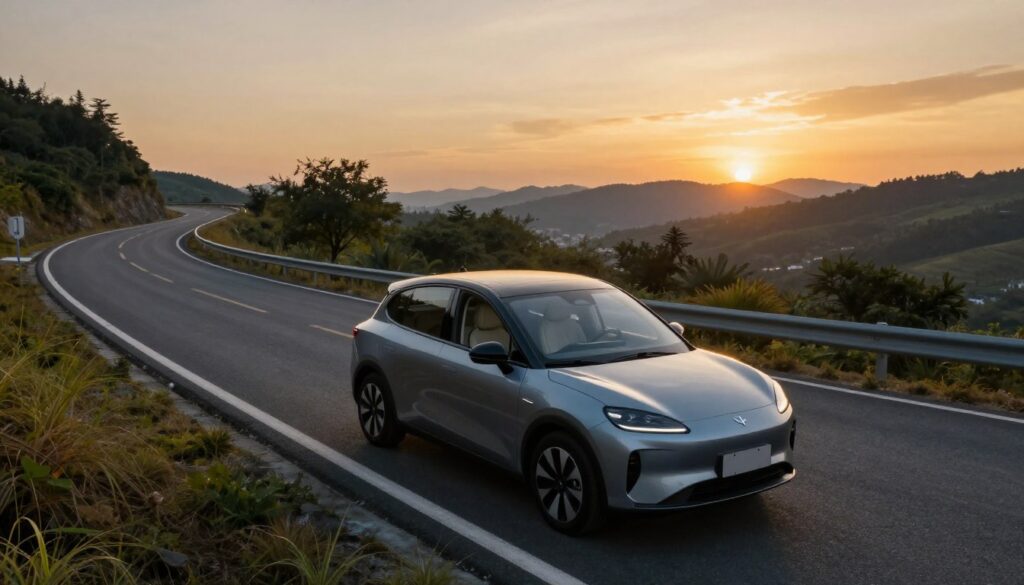
Cargo Space: Importance of Roominess
A compact car comparison shows that space is not just for legs. It’s also about using vertical space. Commuters need to carry gear without sacrificing comfort.
The 2015-2020 Honda Fit is a great example. It has a ultra-reconfigurable three-across bench seat. This allows for different cargo modes, showing that small cars can be very useful.
| Vehicle Model | Cargo Flexibility | Ergonomic Focus |
|---|---|---|
| Honda Fit (2015-2020) | Excellent (Magic Seats) | High |
| Toyota Corolla | Standard | High |
| Hyundai Elantra | Good | Moderate |
Your choice should match your lifestyle. Whether you need lots of space or premium seats, understanding these factors helps find the perfect fit for you.
Safety Ratings and Reliability
Peace of mind is the ultimate luxury for daily commuters. When you spend a lot of time on high-speed roads, your car’s safety is key. It protects you from harm.
Modern cars focus on preventing accidents before they happen. This is vital for those who drive in heavy traffic every day.
Importance of Safety in Commuter Vehicles
Reliability is not just about the car’s engine and transmission. It’s also about how well it keeps you safe in emergencies. Cars that get high safety ratings from groups like the IIHS or NHTSA offer a proven baseline of security for your long trips.
“Safety is not an accident; it is the result of high intention, sincere effort, intelligent direction, and skillful execution.”
Commuters face many road conditions, from sudden stops to fast lane changes. Picking a car with a strong safety record means you get the latest in crash tests and car design.

Top-Rated Safety Features to Consider
Today’s compact cars often have advanced safety features, once found only in luxury cars. We suggest looking for models with automatic emergency braking as a standard feature.
This tech can spot possible crashes and stop the car faster than you can. It’s a big help during the stop-and-go of your morning drive.
Lane-keeping assist is also key. It stops you from drifting off course on long highways. These systems help keep you focused, reducing driver tiredness and boosting road awareness.
Driving Experience: Handling and Performance
Today’s best commuter vehicles balance agility and highway stability well. The driving dynamics of top compact cars have seen big improvements. This makes driving on busy roads more confident and smooth.
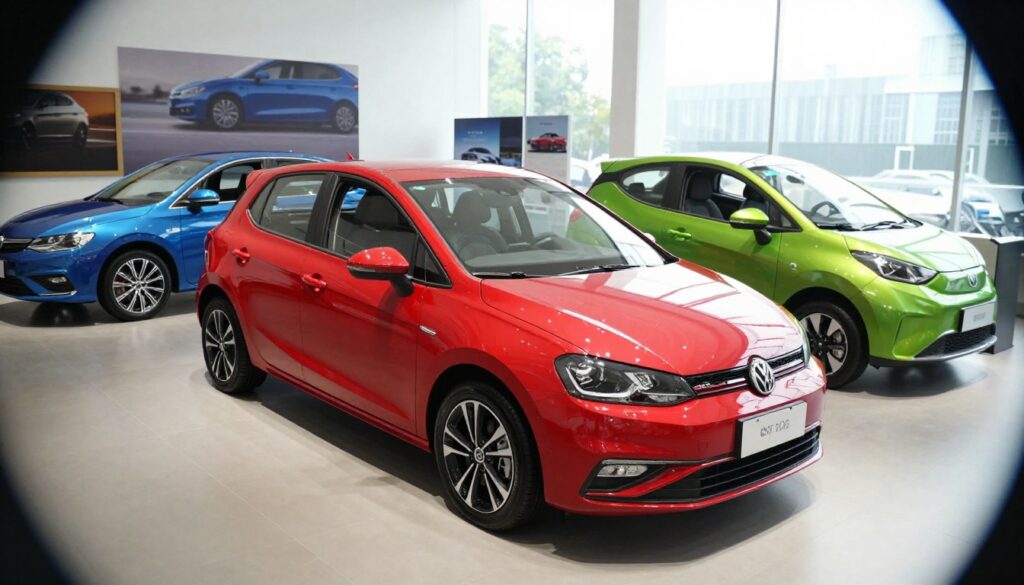
How Compact Cars Manage on the Highway
Modern suspension tuning is key for handling uneven pavement on long drives. Engineers use advanced chassis designs to smooth out road bumps. This ensures a remarkably smooth ride for everyone.
This stability is key when looking for the best cars for commuting. They handle high speeds smoothly without feeling shaky.
Electric power steering adds to the car’s responsiveness at high speeds. It reduces road noise and vibration. This makes long trips more comfortable and less tiring.
Engine Options for a Smooth Ride
Choosing the right engine is important for easy highway merging and passing. Many cars now have turbocharged engines for plenty of low-end torque. This makes acceleration quick and safe.
Pairing these engines with advanced transmissions makes driving smooth. Whether you choose an automatic or a continuously variable transmission, the goal is consistent power delivery. These top compact cars show you don’t need a big car for a powerful drive.
Technology and Connectivity Features
We think the right digital tools can make your daily drive much easier. Today’s cars are like mobile offices, with seamless connectivity and safety features. They help you stay focused on the road.

Infotainment Systems in Commuter Cars
Compact cars now come with easy-to-use infotainment systems. Most have Apple CarPlay and Android Auto as standard. This lets you mirror your phone on the dashboard.
With these systems, you can use your favorite apps and music without touching your phone. Staying connected is easier and safer for drivers on the go.
Driver-Assistance Technologies
Modern cars also focus on safety. Adaptive cruise control is a key feature for highway driving. It keeps a safe distance from the car in front.
This tech helps manage speed in heavy traffic, making long drives less tiring. It lets you arrive at your destination feeling refreshed and alert.
| Feature | Benefit | Impact on Commute |
|---|---|---|
| Adaptive Cruise Control | Maintains safe distance | Reduces driver fatigue |
| Smartphone Integration | Hands-free access | Enhances convenience |
| Lane Keeping Assist | Prevents drifting | Increases highway safety |
| Voice Recognition | Hands-free commands | Minimizes distractions |
Cost of Ownership: Beyond the Purchase Price
We often focus on the sticker price, but the true cost of owning a car is more complex. When picking the best cars for commuting, we must think about fuel, insurance, and service costs. These costs add up and affect your monthly budget over time.

Maintenance Costs of Compact Cars
Reliability is key for affordable cars. It’s wise to get a pre-purchase inspection (PPI) before buying a used car. This check can spot hidden problems that could cost a lot to fix later.
Regular maintenance, like oil changes and tire rotations, is usually predictable. But ignoring small issues can lead to big, expensive problems. Keeping up with maintenance helps your car stay reliable.
“The bitterness of poor quality remains long after the sweetness of low price is forgotten.”
Resale Value and Depreciation Trends
Depreciation is a big hidden cost for car owners. Picking fuel-efficient compact cars from trusted brands can help reduce this loss. Always get a detailed vehicle history report to check for accidents or mileage issues.
This report gives you peace of mind and can increase your car’s resale value. When buying, think about these factors to understand the long-term costs:
| Factor | Impact on Budget | Long-term Strategy |
|---|---|---|
| Fuel Consumption | High Monthly Cost | Choose efficient engines |
| Routine Service | Moderate Annual Cost | Follow manufacturer schedule |
| Depreciation | High Lifetime Cost | Select high-resale brands |
| Insurance | Moderate Monthly Cost | Compare provider quotes |
Consumer Reviews and Expert Opinions
We mix deep technical analysis with real driver experiences to give a full view of how cars perform. We think the best way to pick a car is to mix expert tests with what real owners say. This way, you get a full picture before you buy.
Gathering Insight from Real Users
Feedback from real users is invaluable when checking how a car does over time. While specs show what a car can do, owners share how it really does during long drives. We look at long-term reliability and owner satisfaction to spot trends.
By hearing from those who drive a lot, we learn about comfort, noise, and fuel use. This real data helps us make a fair Compact car comparison that shows what it’s like to own one. For more on top models, check our guide to efficient commuter cars.
Expert Recommendations and Ratings
Professional tests give us the facts on safety, handling, and engine power. We mix data from detailed tests to give fair Compact car reviews for buyers. These tests use the same standards for every car.
When we mix expert scores with user feedback, we offer a strong Compact car comparison tool. This shows each model’s good and bad points. Trusting both sources helps you choose wisely, based on your lifestyle.
Conclusion: Finding Your Perfect Commuter Car
Choosing the right car is about finding a balance. It’s about your budget and what you need for driving. Look at 10 less obvious budget cars to find one that excites you.
Matching Vehicles to Your Lifestyle
The best commuter car is one that fits your daily drive. If you love driving, consider the 2025 Mazda MX-5 Miata. For a mix of power and agility, the 2026 Toyota GR86 is great. Everyone needs different things, like space for cargo and how much fuel it uses.
Taking the Next Steps
Test drive cars in real traffic to check comfort and view. Use expert reviews to help pick before you go to the dealer. This way, you’ll find a car that makes your daily drive enjoyable.
FAQ
Which models currently top our Compact Car Rankings for long highway drives?
The 2026 Honda Civic is a top pick for long drives. It comes in sedan and hatchback styles. It’s great for professionals who spend a lot of time driving.
The Toyota Corolla and Hyundai Elantra are also top choices. They’re reliable and smooth on the highway.
What are the most fuel-efficient compact cars for highway-heavy commutes?
The 2023-Present Toyota Prius is very efficient. It has a strong powertrain for merging into traffic. The 2026 Toyota Prius PHEV is a leader in fuel efficiency.
It gets 127 MPGe on battery power alone. These cars help us save on gas without losing performance.
How does interior versatility contribute to the best cars for commuting?
Comfort is key for long drives. We check how cars use space, like the 2015-2020 Honda Fit’s bench seat. It’s great for carrying stuff.
We also look at seating and quietness. This ensures a good ride, even in traffic.
What technology features should we look for in top compact cars today?
Modern tech is a must. We want Apple CarPlay and Android Auto for safe connectivity. The best cars also have driver-assistance tech.
Features like adaptive cruise control help with following distances. This makes driving in traffic easier.
How can we accurately calculate the true cost of ownership for a commuter vehicle?
To find the real value of a commuter car, we look at more than the price. We consider fuel, insurance, and maintenance costs.
Getting a pre-purchase inspection is important. It reveals hidden issues. Also, a vehicle history report helps avoid problems with resale value.

Hi! I’m Moheen Iftikhar, the person behind «CarCruisei». I’m deeply interested in the automotive world, from new car trends and advanced vehicle technology to useful driving advice. On this platform, I publish informative car reviews, expert insights, and practical tips to keep every car enthusiast informed and inspired.