



Sedan vs Hatchback: Which is Better for City Driving and Cargo Space
Choosing the right vehicle is all about the daily tasks we do. Whether it’s driving through tight streets or carrying groceries, your car matters a lot.
Finding a balance between being easy to drive and having enough space is key. Many drivers look for efficiency in top-rated sedans most fuel-efficient gas cars. But, the car’s design is also very important.
Urban environments need cars that are easy to maneuver and have enough room. We look at how different car shapes deal with city life. This helps you choose the best car for your needs.
Key Takeaways
- Urban mobility requires a balance of compact dimensions and internal utility.
- The choice between these two styles often depends on your specific storage requirements.
- Daily errands like grocery shopping highlight the importance of rear access.
- Fuel efficiency remains a top priority for those navigating heavy traffic.
- We evaluate how each design performs during frequent stops and tight parking maneuvers.
Overview of Sedans and Hatchbacks
The choice between a sedan vs hatchback is key when buying a car. Both styles use the same engine and chassis. But, their shapes affect how we use our cars every day.
Defining Sedans and Hatchbacks
A sedan has a three-box design. It has separate areas for the engine, passengers, and cargo. This design keeps our stuff safe and hidden.
A hatchback has a two-box design. It combines the passenger and cargo areas into one. The rear door opens up wide, making it easy to load big items. You might also want to check out our guide on the best SUVs 2026 for more space.
Key Features Compared
In a compact car comparison, the roofline matters. Sedans have a sloping rear window for a formal look. Hatchbacks have a vertical rear for more space.
This shape change affects the rear seats. Hatchbacks let you fold down the seats for more cargo space.
| Feature | Sedan | Hatchback |
|---|---|---|
| Cargo Access | Narrow Trunk | Wide Hatch |
| Design Style | Three-Box | Two-Box |
| Rear Visibility | Limited | Excellent |
| Security | High (Enclosed) | Moderate (Visible) |
Popular Models in Each Category
The market has many reliable cars for different needs. Sedans like the Hyundai Elantra and Kia Forte are great for their fuel efficiency and style.
Hatchbacks offer the same drive as sedans but with more cargo space. They’re perfect for city living.
Advantages of Sedans for City Driving
Sedans are a top choice for daily commutes. They offer a predictable and smooth driving experience. This makes long hours in traffic easier to handle. If you’re unsure about which sedan is right for you, contact our team for advice.
Smooth Ride and Comfort
Sedans are known for their quiet ride. The trunk is separate, which blocks out road noise and vibrations. This structural separation keeps our commute calm, even in busy streets.
Efficient Fuel Economy
Modern sedans are great for saving money. They’re designed for city driving, with engines that use less fuel. This means we spend less on gas during our daily city driving trips.
Safety Features and Ratings
Sedans are known for their safety. They score high in safety tests and come with advanced features. These cars are built to protect us in busy cities, with features like reinforced frames and collision-avoidance tech.
Advantages of Hatchbacks for City Driving
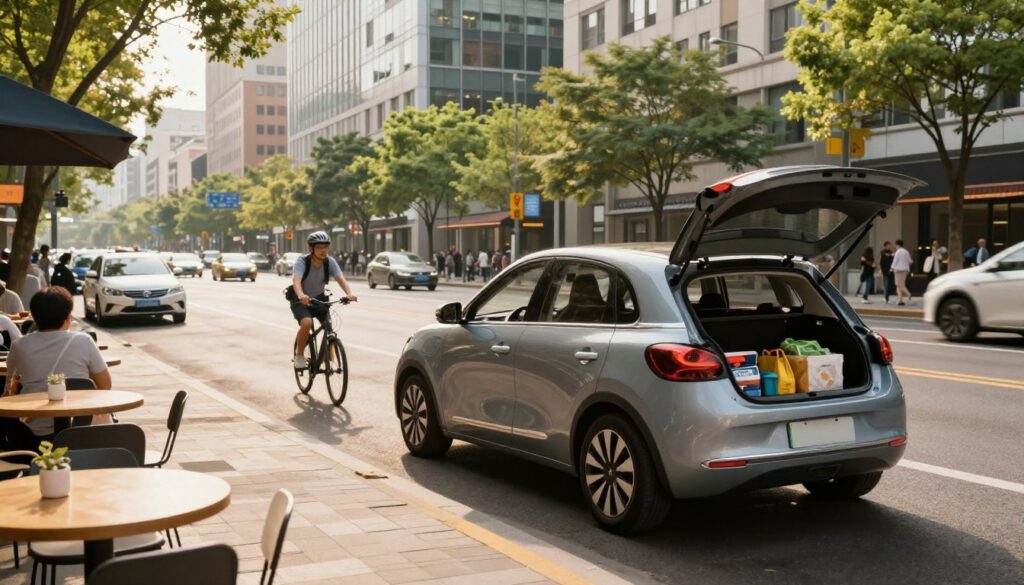
Hatchbacks are perfect for city living. They offer flexibility for quick changes in plans. Whether it’s grocery shopping or a weekend trip, hatchbacks adapt easily.
Maneuverability in Urban Environments
Driving in heavy traffic is easier with a hatchback. Their short wheelbase makes turns and lane changes smooth. This makes city driving less stressful.
“The beauty of a compact car lies in its ability to turn a stressful commute into a manageable journey through the heart of the city.”
Compact Size and Parking Ease
Parking in the city can be tough. Hatchbacks fit into tight spots that sedans can’t. For an efficient ride, consider affordable electric cars with a compact design.
Improved Visibility
The rear hatch design offers better sightlines. The vertical rear window gives a clear view, making city driving safer.
| Feature | Hatchback | Sedan |
|---|---|---|
| Parking Ease | Excellent | Moderate |
| Cargo Loading | High Versatility | Limited Access |
| Rear Visibility | Superior | Standard |
| Urban Agility | High | Moderate |
Choosing a hatchback simplifies our daily lives. It makes city driving less stressful and more enjoyable.
Cargo Space Comparison: Sedans vs Hatchbacks
When we look at vehicle size comparison, how each car stores things is key. It’s important to match our daily needs with the car’s layout.
Sedans: Trunk Space Analysis
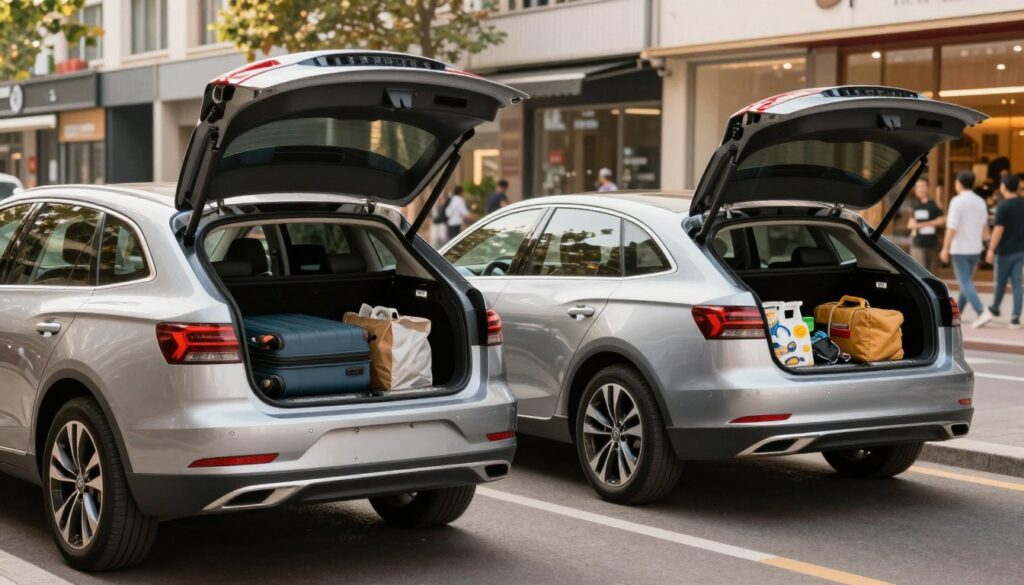
Sedans have a dedicated trunk that keeps our stuff safe. This trunk is separate from the cabin, making our items hidden. This gives us peace of mind when parking in public.
The trunk of a sedan is often deep, great for long items like golf clubs or strollers. But, the narrow opening can make it hard to fit big or odd-shaped items.
Hatchbacks: Versatile Cargo Area
Hatchbacks offer a big plus: their rear cargo area is super flexible. By folding down the rear seats, we get a huge, open space. This space is perfect for big items that don’t fit in a trunk.
This design lets us stack things vertically, great for tall plants or boxes. It makes the car feel bigger than it looks.
“The true measure of a vehicle’s utility is not just in its total volume, but in how easily that space can be accessed and configured for our changing needs.”
Real-life Cargo Scenarios
To see how these vehicles stack up, let’s look at common tasks. Whether it’s carrying sports gear or home supplies, the layout matters a lot.
| Scenario | Sedan Performance | Hatchback Performance |
|---|---|---|
| Weekly Groceries | Secure and organized | Easy access and loading |
| Sports Equipment | Limited by trunk height | Highly adaptable |
| Home Improvement | Restricted by opening | Excellent for bulky items |
What we need in cargo space depends on our lifestyle. Sedans are great for keeping things safe and private. But, hatchback advantages offer the flexibility we need for odd or big loads.
Considerations for City Driving
In urban life, our vehicle is a key part of our daily routine. It’s not just about carrying stuff. We need a car that’s good at handling city streets.

Traffic Conditions and Handling
Busy traffic is a big part of our commute. Cars that steer well and accelerate fast are a big help. Feeling confident while driving is key in heavy traffic.
A good car makes driving less tiring. It’s important for navigating tight spots and keeping up with traffic. We look for cars that handle well, so we can stay in control.
Navigation and Parking Challenges
Finding parking in crowded areas can be stressful. Smaller cars fit into spots big ones can’t. It’s a good idea to try out a car in a tight parking spot.
Being able to see around you is also important. A car with good visibility helps you spot people and bikes. Excellent outward visibility is a must for city driving.
Public Transportation Options
Our car choice fits into our lifestyle, which includes public transport. Many of us use cars, subways, and buses to get around. A versatile car connects our home to public transit.
It’s helpful to have a car that’s easy to park near transit. This makes our daily routine more flexible and less stressful. The best car adapts to the dynamic nature of city life.
Personalization and Customization Options
We think choosing a car should match our style. Today’s cars let us show off our personality while being useful. By looking at small car features, we can make our car truly our own.
Interior Features and Tech Options
The inside of our car is where we spend most time. It’s key to make it our own. Many cars now have tech that connects to our phones easily. Comfort is key, and we can pick from top sound systems, lights, and displays.
- High-resolution touchscreens with customizable interfaces.
- Wireless charging pads and multiple USB-C ports.
- Advanced climate control settings for personalized comfort.
Exterior Design Choices
The outside of our car is a statement. We can pick from different trim levels with cool wheels, sporty suspension, or sleek looks. These small car features make our car stand out and drive better in the city.
Lighting is also important in design. Many brands offer LED lights or adaptive headlights for safety and style. Picking the right look ensures our car looks as good as it drives.
Color and Material Selections
Choosing the right colors and materials makes our car feel special. We can pick from many paint colors or interior materials. This lets us set the mood inside our car.
By picking these small car features, our daily drive becomes fun. Personalization makes our car a part of our lifestyle. It shows that being practical and stylish can go hand in hand in today’s cars.
Cost of Ownership: Sedans vs Hatchbacks
When we look at a sedan vs hatchback, the cost over time is quite different. We often just look at the first price we pay. But, the real cost of owning a car is what it costs over many years.

Initial Purchase Price
The first cost of these cars can vary a lot. It depends on who made the car and what kind it is. Sedans usually cost a bit more because of their design and trunk.
Hatchbacks, on the other hand, offer more for less money. They are a great choice for those who want to save. It’s smart to check out the hatchback vs sedan market to find the best deal for us.
Insurance and Maintenance Costs
Insurance costs are based on how safe the car is and how much parts cost. Hatchbacks and sedans often have similar parts, so maintenance costs are similar too.
Both types of cars are easy on the wallet for regular upkeep. Staying on top of maintenance is key to keeping our car running well for a long time.
Depreciation Rates
Depreciation is a big part of owning a car. Sedans used to hold their value better in the US. But, hatchbacks are catching up fast.
Think about how long you’ll keep the car before you decide. A car that keeps its value longer means less money spent in the long run.
| Factor | Sedan | Hatchback |
|---|---|---|
| Initial Price | Moderate to High | Competitive |
| Maintenance | Standard | Standard |
| Depreciation | Stable | Improving |
| Insurance | Average | Average |
Environmental Impact: Fuel Efficiency
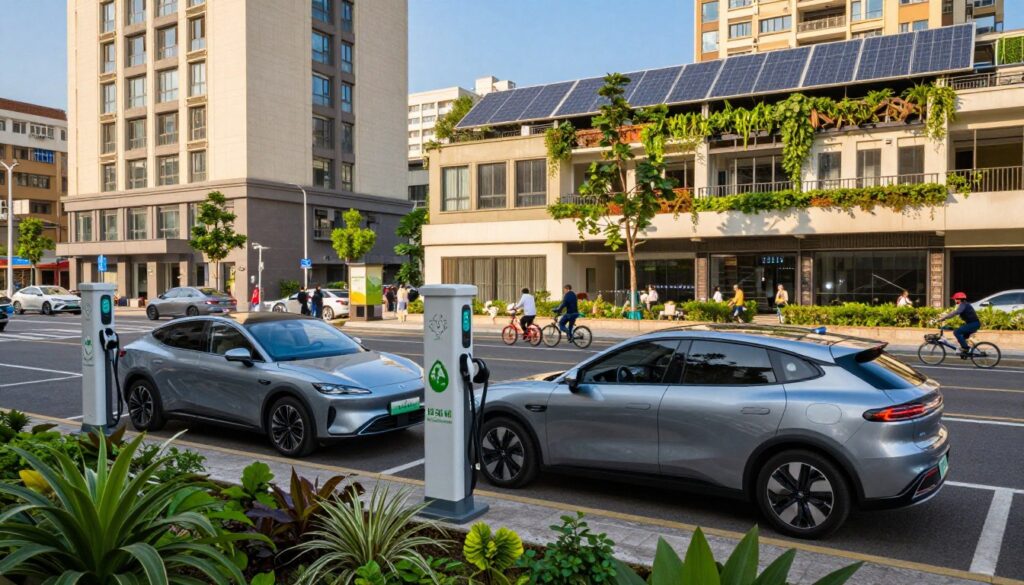
Choosing the right car for our daily drive is key to reducing our environmental impact. By focusing on city car efficiency, we can cut down on carbon emissions and save money on fuel each month. Thanks to modern car tech, finding a car that’s good for our wallet and the planet is easier than ever.
Sedans Fuel Economy Statistics
Sedans are known for their sleek design, which helps them save fuel on long drives. Their shape cuts through the air, making the engine work less hard. This is great for those who travel between suburbs and cities often, as it means less time at the pump.
Looking at sedan vs hatchback data can help us choose the best car for our needs. Sedans tend to use fuel more consistently, making them a solid choice for long trips.
Hatchbacks Fuel Economy Statistics
Hatchbacks are built to be light and agile, which is perfect for city driving. They need less energy to get moving, which is a big plus in busy traffic. This makes them a strong contender for fuel efficiency in urban areas.
“The greatest threat to our planet is the belief that someone else will save it.”
Emissions and Eco-friendliness
New engine tech has made both sedans and hatchbacks much cleaner. Cars now have features like start-stop systems and hybrid engines to cut down on emissions. By picking a car that’s efficient, we help keep our air cleaner.
- Hybrid options: Many modern models now offer electric-assist engines.
- Reduced idling: Automatic engine shut-off features save fuel at traffic lights.
- Sustainable materials: Newer interiors often utilize recycled components to lower the manufacturing footprint.
Our choice of a fuel-efficient car shows we care about the planet. Whether we choose a sedan or hatchback, picking a car that’s good for the environment is a big step toward a greener future.
Resale Value: Which Holds Better?
Resale value is key when we choose a car. We want our investment to keep its value over time. Knowing how different car styles do in the used market helps us make smart choices.
Market Demand for Sedans
Sedans are a big part of the American car market. Cars like the Toyota Camry and Honda Civic are popular for being reliable and fuel-efficient. They’re seen as good family cars, so they often have buyers.
Market Demand for Hatchbacks
Hatchbacks are becoming more popular in cities. They offer space and are easy to park, making them great for city living. This makes them a strong choice against sedans.
Long-term Financial Considerations
Looking at the total cost of owning a car, we see how much value it keeps after five years. Sedans might keep their value due to brand loyalty. But hatchbacks stay useful for many people, thanks to their space and versatility. Here’s a table showing what to think about when buying a car.
| Vehicle Type | Primary Value Driver | Depreciation Rate | Market Appeal |
|---|---|---|---|
| Sedan | Brand Reliability | Moderate | High (Families) |
| Hatchback | Cargo Versatility | Moderate to Low | High (Urbanites) |
| Luxury Sedan | Tech Features | High | Niche |
| Compact Hatch | Fuel Efficiency | Low | Broad |
The best choice depends on our lifestyle. Sedans are stable over time if we value reliability. But hatchbacks are great for city living, keeping their value well.
Tips for Choosing the Right Vehicle for Us
Choosing the right car is a journey that starts with knowing your driving habits. Before buying, do a compact car comparison to find the best fit for your daily life. Researching helps make sure you’ll be happy with your choice in the long run.
Assessing Our Driving Needs
We first list what we need, like our daily commute and weekend errands. If we often carry big items, we should look for cars with lots of space. Knowing what we need helps us choose the right car.
It’s also important to think about the best vehicle type for our lifestyle. Our living area affects what we need from a car. Whether we live in a city or the suburbs, our car needs to match.
Test Driving and Experience
Test driving a car is essential. We suggest bringing your own items to see how much space there is. This gives a better idea than just looking at pictures or reading reviews.
While driving, pay attention to how the car handles. Check if it fits in tight spots. This is key to seeing if the car is right for you. Never skip this step, as it shows how the car works in real life.
Evaluating Total Cost of Ownership
Think about more than just the price. Consider insurance, maintenance, and fuel costs over time. Smaller cars often cost less in the long run.
By comparing compact cars, we find the best value for our money. Look at how much the car will depreciate. This way, we get a car that’s both useful and affordable.
Conclusion: Our Best Choice for City Driving and Cargo Space
Choosing between a sedan and a hatchback depends on your daily habits. The right vehicle changes how you drive in busy streets and handle errands.
Summary of Key Differences
Sedans have a secure, enclosed trunk that keeps things hidden. Hatchbacks offer a flexible layout for bulky items. Your choice depends on whether you want privacy or lots of cargo space.
Our Recommended Vehicle Type
For those who carry big items often, the Honda Civic Hatchback or Volkswagen Golf is great. They make the most of cargo space in tight city spots. If you like a quiet ride and a classic look, the Toyota Camry is a top pick for city driving.
Final Thoughts on Practicality and Preference
Personal style is as important as practicality. Choose features that make your morning drive easier. Try out both body styles to find the best fit for your life. Your ideal car should meet your needs for efficiency and cargo space.
FAQ
In a compact car comparison, which body style is better for parallel parking in tight spaces?
Hatchbacks are better for tight spaces. They are shorter than sedans, making them easier to park.
Does a sedan or hatchback offer more usable cargo space for groceries and gear?
Hatchbacks offer more space for bulky items. Their wide opening makes them better for carrying large items.
Which vehicle type offers better city car efficiency for daily commuting?
Both sedans and hatchbacks are efficient. Sedans are better for long trips, while hatchbacks are great for city driving.
How does a vehicle size comparison impact insurance rates for city drivers?
Insurance rates are similar for sedans and hatchbacks. But some hatchbacks might be more expensive to insure.
Is a sedan or a hatchback safer for urban transportation?
Both are safe, but sedans might offer more protection. Safety features are important in any car.
Why should we consider a hatchback if we live in a densely populated area?
Hatchbacks are better for city driving. They are easier to park and offer better visibility.

Hi! I’m Moheen Iftikhar, the person behind «CarCruisei». I’m deeply interested in the automotive world, from new car trends and advanced vehicle technology to useful driving advice. On this platform, I publish informative car reviews, expert insights, and practical tips to keep every car enthusiast informed and inspired.


