

Electric Commercial Vans: Best Electric Cargo Vans for Small Businesses
Switching to electric transport is now a smart choice for businesses. It cuts costs and helps the environment. Many entrepreneurs are choosing electric commercial vans for these reasons.
Finding the right electric cargo vans means looking at range, payload, and charging. These vans are great for local or big delivery jobs. They offer a cleaner way to move goods.
We look at the market to find the top electric commercial vans for you. If you need to haul heavy loads, check out the best trucks 2026 top pickups for towing.
Our guide covers costs, maintenance, and more. By choosing commercial electric vehicles, your team will stay competitive. They’ll also keep a reliable, green delivery schedule.
Key Takeaways
- Switching to electric transport saves money and helps the planet.
- Range and payload are key when picking your vans.
- Modern electric delivery vans come with tax breaks and lower costs.
- Planning for charging is vital for keeping your fleet running.
- Choosing the right electric fleet vans boosts your brand and customer trust.
Introduction to Electric Cargo Vans for Small Businesses
The automotive industry is changing fast, with more commercial fleets going electric. In 2024, the US market for Electric Commercial Vans was worth billions. Experts think this market will grow four times by 2030, marking a big change in logistics.
Choosing electric vans is a smart move, not just an experiment. For businesses in cities and suburbs, they offer a reliable option. They help companies improve their daily work and keep up with trends.
Benefits of Electric Commercial Vehicles
Electric Commercial Vans are simple to use. They have fewer parts than gas engines, leading to less downtime. This is key for businesses that need to keep schedules tight.
These vans are also quiet, making them perfect for early or late deliveries. This quietness lets businesses work in areas without disturbing people. To keep your fleet ready, look into the best home EV chargers for quick installation.
Environmental Impact of Electric Vans
Choosing electric cargo vans helps lower your carbon footprint. They cut down on emissions, making the air cleaner. This move also wins over customers who prefer eco-friendly brands.
Many cities are making rules to reduce emissions from commercial vehicles. Getting electric vans now keeps your business ahead of these rules. It avoids fines and keeps you in city centers.
Cost Efficiency in the Long Run
The upfront cost of electric cargo vans might seem high. But, they save a lot of money in the long run. Electricity is cheaper and more stable than gas or diesel, saving on fuel costs.
These vans also need less maintenance. They don’t need oil changes or exhaust repairs. This makes them cheaper to run over time. The total cost of owning one is often lower than traditional vans.
Factors to Consider When Choosing an Electric Cargo Van
Choosing the right vehicle for your business is key. It’s more important to match electric cargo vans to your daily needs than just looking at range numbers.
Battery Range and Performance
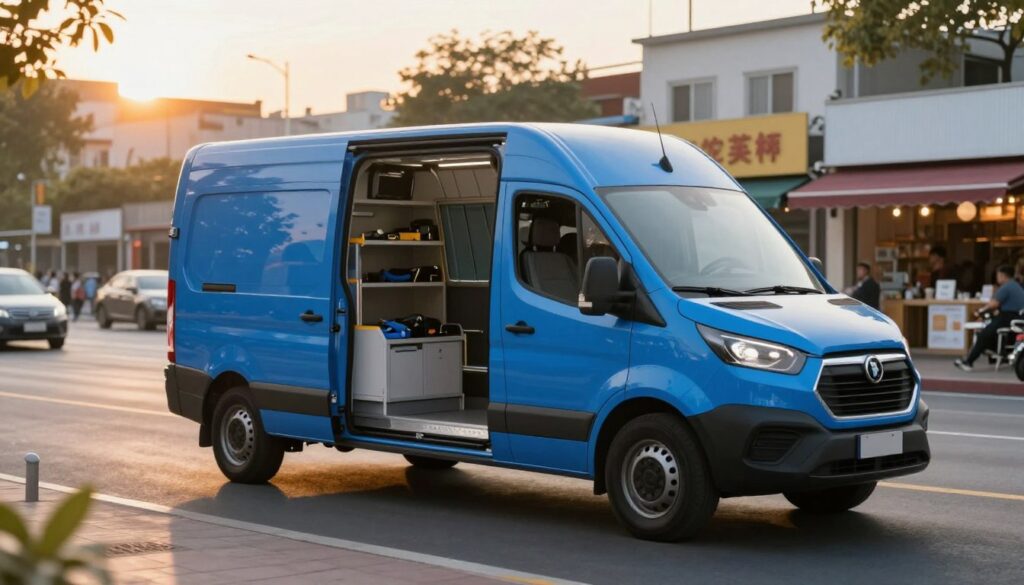
First, figure out how far you need to go each day. Include all stops and possible detours. Then, add 25–30% to this total to avoid range worries.
When checking performance, consider these:
- Topography: Hills can use up battery faster than flat areas.
- Payload Weight: Heavy loads cut down your range.
- Climate: Extreme weather can affect battery life in the US.
Cargo Capacity and Size
Look at the van’s size to see if it fits your needs. Cargo volume and payload capacity are key for heavy or bulky items.
Think about how you load and unload items. If you need easy access, choose vans with low steps or extra doors. This boosts operational efficiency.
Charging Infrastructure and Options
Adding electric cargo vans to your fleet needs a good charging plan. Check if your depot can handle the electrical needs for charging many vans at once.
Consider these charging options:
- Level 2 Charging: Great for overnight charging at your location.
- DC Fast Charging: Quick for busy shifts.
- Fleet Management Software: Helps track charging and save on energy costs.
Top Electric Cargo Vans in 2023
The industry is moving towards electric vehicles, and some models are leading the way. We’ve looked at the current options to find the best for your business needs. Choosing wisely today helps your business stay ahead and green for the future.
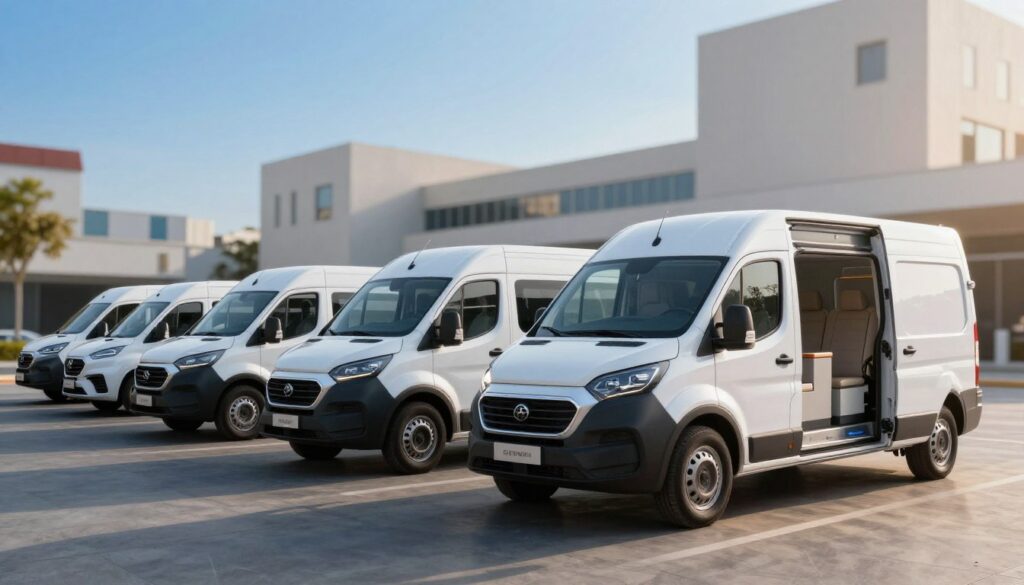
Choosing the right van is a big deal for fleet managers. We’ve picked the top electric commercial vans for their range, space, and tech. These vans are tough for work and good for the planet.
Ford E-Transit
The Ford E-Transit is a top pick for commercial use. For 2026, Ford has made big improvements. New options and faster charging are key for businesses.
The E-Transit also has a new heat pump for better cold weather performance. For more on winter driving, check out our guide on the best electric crossover for winter. This tech keeps your range steady, even in the cold.
Rivian R1T for Commercial Use
Rivian has created vans for last-mile delivery. They focus on driver comfort and cargo systems. This makes loading and unloading easier for busy delivery routes.
Rivian’s vans are great for city logistics. They’re designed for efficiency in tight spaces. This makes them perfect for urban businesses.
Mercedes-Benz eSprinter
The Mercedes-Benz eSprinter is known for its reliability and quality. It’s versatile for different business needs. The eSprinter combines the Sprinter’s durability with electric power.
The eSprinter is also known for its safety features and tech. It’s great for businesses that value long-term value and driver comfort. It works well with fleet management software for better tracking and maintenance.
- Ford E-Transit: Best for versatile configurations and cold-weather performance.
- Rivian: Ideal for high-efficiency, last-mile urban delivery.
- Mercedes-Benz eSprinter: Perfect for businesses needing premium reliability and customization.
Comparing Electric Vans: Specifications and Features
We look at the key performance metrics of the top electric commercial vans available today. For fleet managers, finding a balance between power and daily use is key. It’s important to know how these vans handle heavy loads and long trips before buying.
Performance Metrics
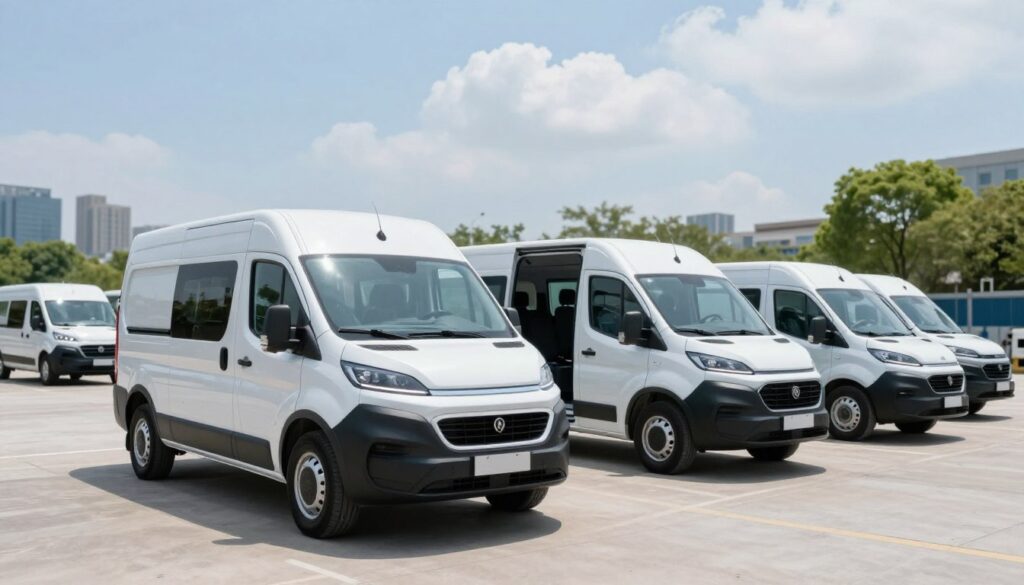
Performance in the commercial world is about torque, payload, and charging speed. Companies like Mercedes-Benz are pushing limits with new tech. Their VAN.EA architecture supports 800-volt charging for quicker charging times.
This fast charging means less downtime, so your team can stay on the road longer. When looking at electric fleet vans, think about how torque affects city driving. High torque at low speeds is key for loaded vans.
For older models, make sure to check the battery health. This ensures they meet your performance needs.
| Feature | Standard Van | Advanced EV Platform |
|---|---|---|
| Charging Voltage | 400V | 800V |
| Torque Delivery | Gradual | Instant |
| Maintenance Needs | High | Low |
Safety Ratings
Today, safety features are a must for fleet management. Most top electric commercial vans have advanced systems like automatic emergency braking. These features protect drivers and lower accident risks.
Also, safety sensors give fleet managers real-time data. This helps monitor driver behavior and vehicle health. Prioritizing safety cuts insurance costs and extends your assets’ life.
Technology and Connectivity
Connectivity is key for modern logistics. Future vans will have top-notch infotainment systems that work with route software. These tools help with real-time tracking and remote checks, essential for efficient operations.
With these digital tools, you can keep an eye on battery status and charging plans from one place. This ensures your electric fleet vans stay productive all week. Investing in vehicles with strong software support is wise for growing businesses.
Financial Incentives for Small Businesses
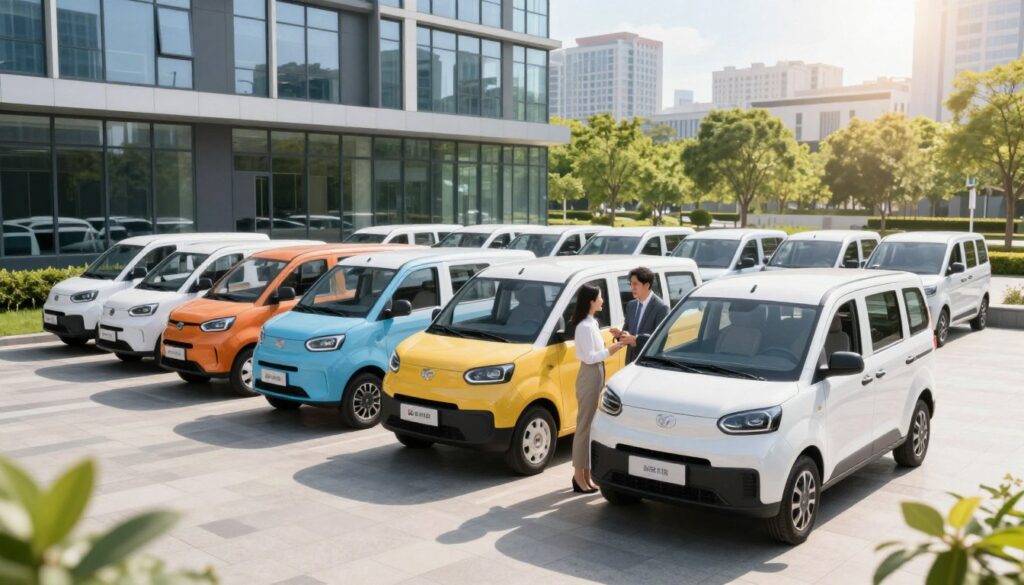
Investing in small business electric vans can change your company’s finances for the better. The initial cost might seem high, but the long-term savings are often greater. Businesses can cut their operating costs by 20–40% compared to gas vans once they set up charging stations.
Federal Tax Credits and Rebates
The federal government helps by giving big incentives for clean energy vehicles. The Commercial Clean Vehicle Credit can give your business a big tax break for each electric vehicle bought. This credit helps make electric vans more affordable compared to gas ones.
It’s important to talk to a tax expert to see if your vehicle qualifies. Using these federal programs can make starting your electric fleet easier. This lets you save money for other important business needs.
State-Specific Incentives
Many states also offer money to help businesses use small business electric vans. These incentives can be rebates, low-interest loans, or sales tax breaks. Some areas even give grants for charging stations at your business.
Check your state’s energy office website to find out what’s available. Local utilities might offer special rates for commercial charging. Using these local offers can help you get back your investment faster.
Long-Term Savings Analysis
Doing a detailed financial analysis is key to justify buying electric vans. Compare costs over five years, including fuel, maintenance, and tax savings. The data shows that the long-term savings can be more than the higher upfront cost.
| Cost Category | Gas-Powered Van | Electric Van | Potential Savings |
|---|---|---|---|
| Fuel/Energy | High | Low | Significant |
| Maintenance | Moderate | Minimal | Moderate |
| Tax Incentives | None | High | High |
| Total 5-Year Cost | Baseline | Reduced | 20-40% Lower |
Knowing these financial benefits can help make a strong case for electric vans. Using small business electric vans is smart for both the planet and your wallet. Make a detailed budget to show how these savings can keep your business ahead.
Maintenance and Support for Electric Vans
Running a modern delivery service means keeping your electric fleet vans in top shape. These vehicles need less upkeep than gas cars but require a special care routine. This ensures they perform at their best.
Routine Maintenance Needs
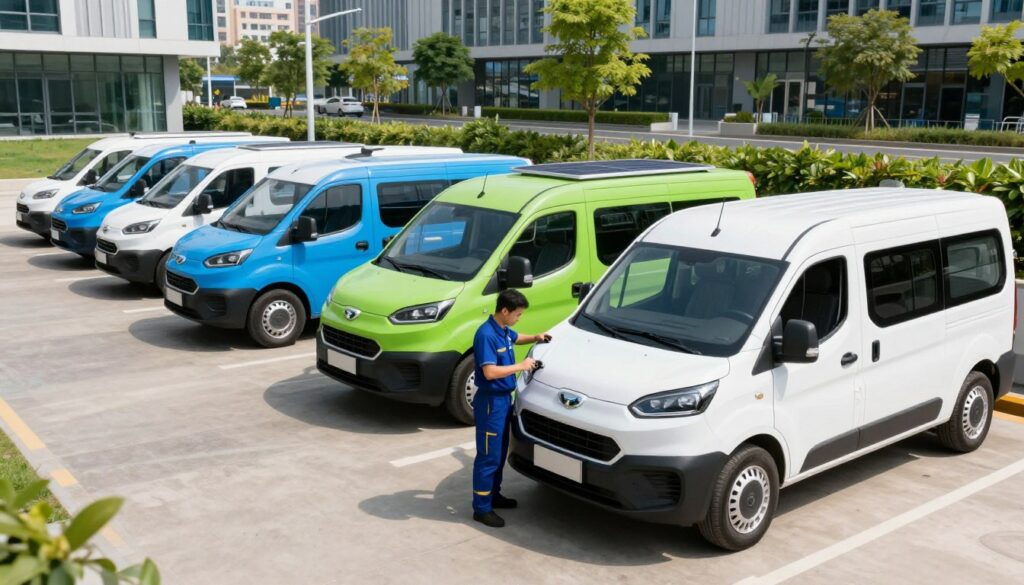
Electric cars don’t need oil changes, spark plug swaps, or exhaust fixes. Your maintenance routine includes tire rotations, cabin air filter changes, and brake fluid checks. Regenerative braking also cuts down on brake pad wear, saving you money.
Keeping your electric fleet vans updated with software is key. Manufacturers release updates to improve battery life and efficiency. Keeping up with these updates keeps your vans running smoothly and efficiently.
Finding Service Providers
Finding the right service center is essential. They need the right tools and training for electric vehicles. Make sure your mechanic is ASE-certified and knows how to work on electric powertrains.
Also, your charging setup needs professional help. High-power charging is not a DIY job. It must be done by licensed electricians to ensure safety and avoid business downtime.
Warranty and Support Options
Most makers offer long warranties on the battery pack. It’s important to know what’s covered. Look into how battery wear affects performance.
Many providers also have dedicated support programs for businesses. These include fast service and roadside help for electric vehicles. Using these services keeps your operations running smoothly.
User Experiences and Testimonials
Switching to electric vans is more than just buying a new vehicle. It’s about understanding the daily life of those who use them. Hearing from small business electric vans users is key to getting ready for your own change. Real-world stories and data help you find your way to greener logistics.
Success Stories from Small Businesses
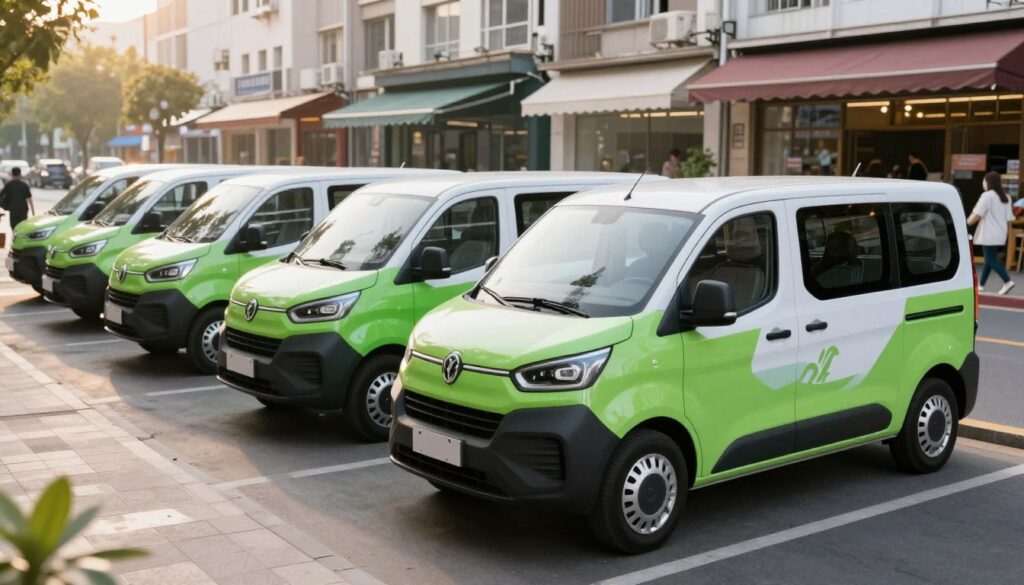
Electric vans are proving their worth. For example, Amazon’s electric delivery vans delivered over a billion packages in 2024. This shows they can handle big jobs. Small businesses also see big benefits, like lower costs.
Users love how reliable these vans are in cities. Following a guide helps you achieve similar success. They also enjoy less noise and vibrations, making drivers happier.
Challenges Faced by Electric Van Users
Adopting electric vans comes with its own set of challenges. Managing charging times is a big adjustment. Without a plan, it can mess up your delivery schedule.
Teaching drivers about new tech is also key. They need to learn about regenerative braking and battery care. This is different from driving gas-powered cars.
Recommendations from Current Owners
Start with a test run before buying a whole fleet. This lets you see how small business electric vans fit your routes. Here are some tips for a smooth transition:
- Check your local charging options first.
- Get telematics software to track energy use.
- Offer detailed training for your team.
| Common Challenge | Primary Impact | Recommended Solution |
|---|---|---|
| Charging Logistics | Operational Downtime | Install onsite fast-chargers |
| Driver Adaptation | Efficiency Loss | Hands-on training programs |
| Range Anxiety | Route Planning | Use route optimization software |
The Future of Electric Commercial Vans
We are at a critical point in history where moving to green logistics is happening fast. The U.S. market for Electric Commercial Vans is growing by about 26% each year until 2030. This change is a big shift for small businesses in how they run their daily tasks and long-term plans.
Evolving Technology and Innovations
The next wave of commercial electric vehicles will see big improvements in battery and charging tech. Companies are working on modular designs that let you change cargo space and power needs easily. These updates aim to make owning a fleet cheaper and more flexible.
As these techs get better, we’ll see lighter cars and more efficient engines. You can check out different electric delivery vans that are leading the way. Getting in on these advancements early can give your business a big advantage.
Market Trends and Predictions
Experts say the need for commercial electric vehicles will keep growing as more charging spots appear in the U.S. Companies that choose electric now will avoid the high costs of traditional fuel. Keeping up with these trends helps your business stay competitive and strong.
The table below shows how this shift is expected to grow and affect businesses in the coming years:
| Metric | Current Status | 2030 Projection |
|---|---|---|
| Annual Market Growth | High | 26% CAGR |
| Battery Efficiency | Standard | +40% Improvement |
| Charging Speed | Moderate | Ultra-Fast Charging |
| Fleet Adoption | Early Majority | Mainstream Standard |
Potential Regulations Impacting Electric Vans
Government rules are leaning towards zero-emission goals to fight climate change. We expect new rules to offer more benefits for switching to Electric Commercial Vans. Following these rules will be key to keep your business running in many cities.
By working towards these green goals, you set your business up for future benefits like tax breaks and grants. This move is not just about following rules; it’s about building a green base for your business to grow. Keep an eye on new laws to make sure your fleet stays up to date.
Conclusion: Making the Shift to Electric Cargo Vans
Switching to electric power is a smart move for your business. It leads to long-term success and better operations. Using the best electric vans can save you money and help the environment.
Begin by testing electric vans on your usual routes. This helps you see how they perform in real life. It also builds trust in your team before you buy more. For tips on making the switch, check out this guide on EVs.
Strategic Steps for Business Owners
Choosing the right electric vans is key. Plan your charging strategy to keep your team working all day. The best vans come with advanced tech for easier route planning and maintenance.
Embracing Sustainable Transportation
Updating your fleet is a forward-thinking move. It gets you ready for stricter emissions rules and changing market needs. This guide aims to make the transition smooth. Your commitment to new technology will set you apart for years.
Introduction to Electric Cargo Vans for Small Businesses
The U.S. electric commercial vehicle market is growing fast. It’s expected to quadruple in value by 2030. For small businesses, switching to electric cargo vans is a smart move.
In cities and suburbs, these vans are a big plus. They help save the environment and cut costs. This makes them key for today’s small business owners.
Factors to Consider When Choosing an Electric Cargo Van
Choosing the right van means knowing your daily needs. Always pad your daily mileage estimates by 25–30% for unexpected weather or heavy loads. This helps avoid range worries.
Look at cargo volume and payload capacity to meet your needs. Also, setting up charging at your depot is key. It’s more important than just looking at range.
Top Electric Cargo Vans in 2023
Several top models lead in reliability and performance. The Ford E-Transit is a top pick, with updates coming in 2026. These include dual onboard chargers and high-efficiency heat pumps.
For last-mile delivery, Rivian vans are great. They offer the best fit for your business, whether you need a Mercedes-Benz eSprinter or a Ford.
Comparing Electric Vans: Specifications and Features
For fleet managers, specs are key. The Mercedes VAN.EA platform is coming with 800-volt charging and top-notch connectivity. Metrics like torque and payload ratings save time and money.
Modern features and fleet software also boost safety and transparency. They make your business run smoother.
Financial Incentives for Small Businesses
Going electric is now more affordable. You can save 20–40% on fuel and maintenance. Federal tax credits and state rebates help with the upfront cost.
Our analysis shows electric vans offer a strong return on investment. They save money over time, helping your business grow.
Maintenance and Support for Electric Vans
Electric vans need less upkeep but special care. Make sure charging is done by pros to avoid safety issues and downtime. Partnering with certified Ford or Mercedes-Benz technicians keeps your fleet running well.
User Experiences and Testimonials
Real-world use proves electric vans work. Amazon and others show they handle tough routes well. Small business owners say the benefits are worth the learning curve.
Following advice from current users helps avoid common mistakes. This makes integrating small business electric vans easier.
The Future of Electric Commercial Vans
The future of transport is electric, with a 26% growth rate by 2030. Better batteries and designs will make vans cheaper and more versatile. Staying up-to-date with regulations keeps you competitive.
The future of best electric vans is efficient and green. They will play a big role in our transportation needs.

Hi! I’m Moheen Iftikhar, the person behind «CarCruisei». I’m deeply interested in the automotive world, from new car trends and advanced vehicle technology to useful driving advice. On this platform, I publish informative car reviews, expert insights, and practical tips to keep every car enthusiast informed and inspired.