


Reliable Used Cars: How to Check Vehicle History Before Buying
Finding the perfect used car is exciting but can feel like a maze. You want to avoid hidden problems or title issues that could cost you. Taking the right steps early is key for your peace of mind.
When buying a used car, documents protect you from future troubles. By checking vehicle history reports, you see the car’s past. This lets you know the odometer is right and the car’s frame is sound.
We aim to give you the knowledge to make a smart choice. We want you to be sure before you sign anything. By following these tips, your next car will be safe and reliable for years.
Key Takeaways
- Always get a detailed history report to find past accidents or title problems.
- Make sure the odometer reading matches the service records to avoid scams.
- Look for regular maintenance to see if the previous owner cared for the car.
- Compare the report with a professional inspection to check the car’s condition.
- Check for open safety recalls to make sure the car meets current safety standards.
Understanding the Importance of Vehicle History
Before you buy a car, it’s key to know its full story. Checking vehicle history is a must to protect your money. Without this info, you might end up with a car that has big problems.
Why Vehicle History Matters
Transparency is key when buying a used car. Checking vehicle history lets you see the car’s past. This way, you can make a smart choice, not just trust the seller.
A detailed report can protect you from safety risks. It shows past problems, making sure the car is safe for you and your family. Doing your homework saves you from expensive fixes and future troubles.
Common Issues Found in Vehicle History Reports
Many buyers are shocked by what a detailed report shows. When you check vehicle history, you look for signs that the car might not be worth it. These reports often reveal important info that sellers might not share.
Some common problems found include:
- Title Fraud: Cases where the title has been changed to hide the car’s true condition.
- Salvage or Rebuilt Status: Cars that were once written off by insurance due to major damage.
- Insurance Losses: Records of big accidents or damage from natural disasters that could affect the car’s structure.
- Odometer Rollbacks: Mileage that doesn’t match the dashboard, suggesting the car has been driven more than shown.
By looking at these records, you can avoid cars with serious damage. Being careful helps you find a good car and keeps your money safe from hidden problems.
Where to Find Vehicle History Reports
Getting a detailed car history report helps you avoid surprises. It’s key whether you’re looking at a sedan or checking out the best SUVs to buy this year. Having the right info keeps you at ease.
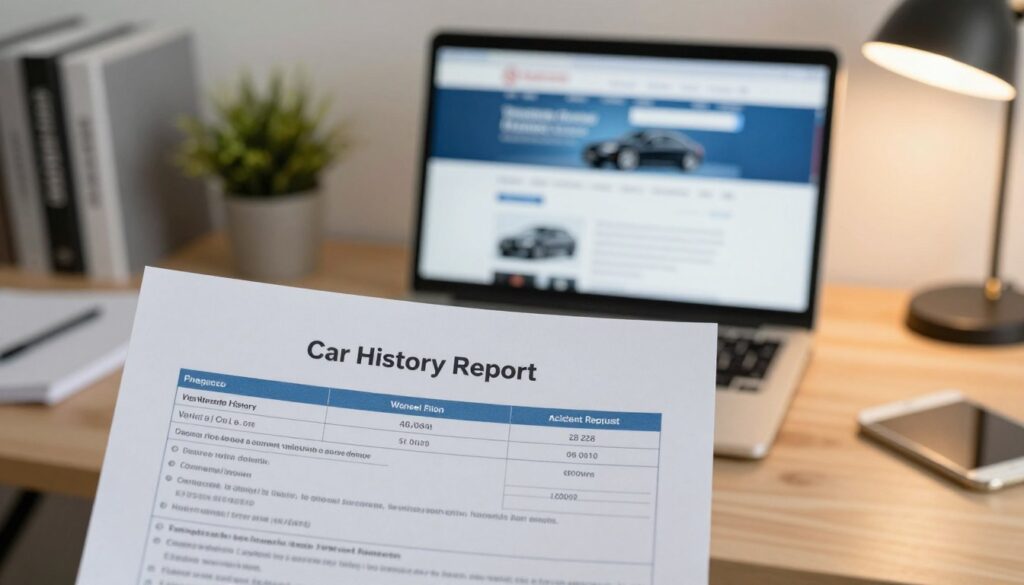
Popular Vehicle History Report Services
Start with government sites for reliable info. The National Motor Vehicle Title Information System (NMVTIS) is a top choice.
“Accessing the NMVTIS database allows buyers to verify title status, insurance loss history, and salvage information directly from official state records.”
Private companies also offer detailed reports. They use data from police, repair shops, and insurance claims. Here are some top picks:
- NMVTIS (vehiclehistory.gov): Best for verifying official title and salvage status.
- CARFAX: Known for extensive service records and accident history.
- AutoCheck: Excellent for scoring a vehicle’s overall reliability based on historical data.
Dealer Resources for Vehicle History
Dealers have access to advanced systems not available to everyone. These tools help them keep accurate records for their vehicles.
Reputable dealers offer a car history report as standard. If a seller is hesitant, it’s a warning sign. Dealers use these tools to sell reliable cars and build trust with customers.
Key Information in a Vehicle History Report
Every used car has its own story. A detailed vehicle background check helps us find out the truth before we buy. These reports are like a map of the car’s life. They help us choose the best family cars with confidence.
Title Information and Ownership History
The title section is key in your vehicle background check. It shows if the car was ever damaged badly. Labels like “salvage” or “rebuilt” mean it had major damage before.
Who owned the car before can also tell us a lot. Cars with many owners might have hidden problems. But a car with one owner might have been better cared for.
Accident History and Damage Details
Looking at accident reports is important. CARFAX reports give us details on damage and repairs. Knowing where the damage was helps us see if the car’s frame is okay.
“Transparency in a vehicle’s history is the foundation of a smart purchase. Never skip the deep dive into accident records, as they often reveal the hidden costs of ownership.”
Service Records and Maintenance History
Service records show if a car was well cared for. Cars with regular maintenance are a good sign. We look for records of oil changes, tire rotations, and fluid flushes.
| Report Category | What to Look For | Risk Level |
|---|---|---|
| Title Status | Clean vs. Salvage | High |
| Accident Data | Structural Damage | High |
| Service History | Regular Maintenance | Low |
| Ownership | Number of Owners | Medium |
By checking these sections, you make sure your vehicle background check is thorough. This careful check helps protect your investment and keeps you away from cars with bad histories.
How to Use the VIN to Check Vehicle History
The key to unlocking a car’s history lies in a single, 17-character code. This unique identifier acts as a digital fingerprint for every automobile on the road today. By performing a Vehicle VIN Check, you gain access to vital information stored in national databases.

What is a VIN?
A Vehicle Identification Number, or VIN, is more than a random string of letters and numbers. It is a standardized code that provides specific details about the manufacturer, the model year, and the assembly plant. Every character serves a purpose in identifying the exact history of the machine.
When you input this code into a reputable database, you retrieve a detailed report. This report often includes accident history, title status, and past service records. Using this data is the most reliable way to conduct a Vehicle VIN Check before finalizing your purchase.
Locating the VIN on a Vehicle
Finding the VIN is usually a straightforward process if you know where to look. The most convenient place to find it is on the front of the Buyers Guide, which dealers are required to display on used cars. This document provides an immediate reference point for your research.
If the guide is missing, you can typically find the VIN stamped on the driver-side dashboard near the windshield. You might also check the driver-side door jamb, where a sticker often lists the number clearly. Mastering the Vehicle VIN Check process by locating this code is a critical skill for any prospective buyer who wants to avoid hidden mechanical or legal issues.
Interpreting the Information in the Report
Getting a report is just the start. Now, you need to understand the data. A Vehicle Background Check is more than just checking for accidents. It’s about knowing how serious the accident was and what it means for the car’s future.

Understanding Accident Reports
When you look at accident data, it’s key to tell the difference between small fixes and big problems. A simple bumper fix is one thing, but frame damage is another story. It can compromise the safety of the car.
Check if the airbags went off and where the car hit something. This info helps you understand the damage. If the car had big repairs, be very careful. These cars might have ongoing issues like alignment problems or electrical issues.
Looking for reliable cars? Check out top-rated sedans and most fuel-efficient gas cars with clean records.
Assessing Service History and Maintenance
A car’s service history is a big clue about its care. Look for regular oil changes, tire rotations, and transmission fluid flushes. Gaps in maintenance could mean the car was not well taken care of, leading to costly repairs later.
Also, a Vehicle Background Check can spot odometer fraud. CARFAX reports help by showing if the mileage has been changed. If the odometer shows less miles than before, don’t buy it. Trusting the data helps avoid cars with hidden problems.
Identifying Red Flags in Vehicle History Reports
Protecting your investment means knowing what to look for in a vehicle history report. Keep a detailed Used Car Checklist nearby to catch important warning signs. Spotting these issues early can prevent big financial losses and future car troubles.
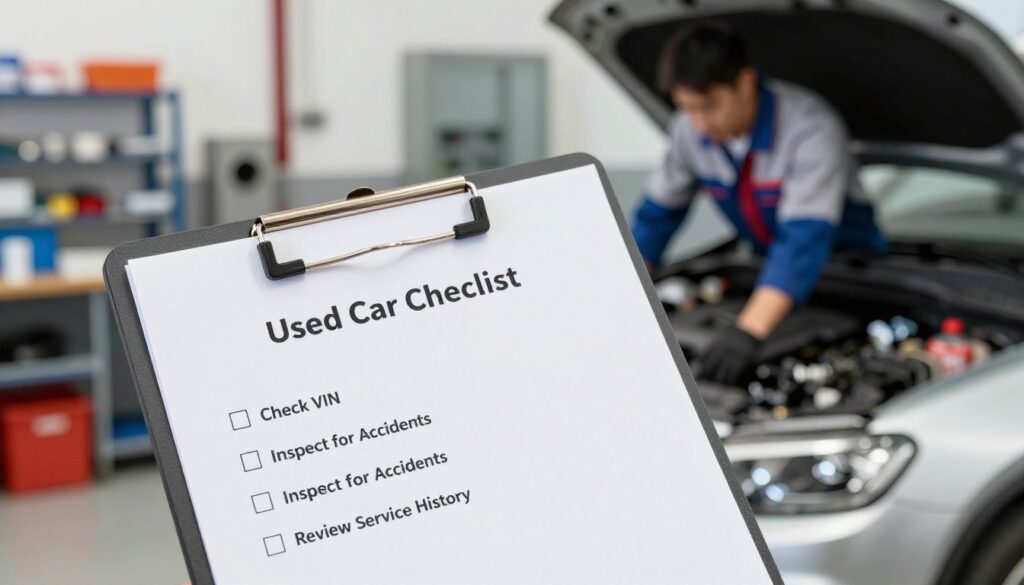
Signs of Flood Damage
Flood damage is very dangerous because it can cause long-term electrical and mechanical failures that are hard to fix. Water can corrode wiring and cause hidden rust in the car’s frame.
Always check the vehicle’s status on the National Insurance Crime Bureau’s website. By using the VIN, you can see if the car was declared salvage or flood-damaged. If it shows a “salvage” or “flood” title, it’s best to avoid the deal.
“An ounce of prevention is worth a pound of cure when it comes to buying a pre-owned vehicle.”
Signs of Odometer Fraud
Odometer fraud happens when a seller rolls back the mileage to make a car seem newer. This hides the true wear and tear on the engine and transmission. When checking your Used Car Checklist, look closely at the mileage entries in the history report.
Watch for big drops in mileage where the reported number is lower than before. If the service history shows a high mileage reading followed by a low one, it’s a big warning sign. Always trust the data over what the seller says to make sure you’re paying a fair price.
Comparing Multiple Vehicle History Reports
When you do a Car History Check, using many sources gives a clearer view of a car’s past. Relying on just one database might miss important details. By getting data from various providers, we make sure we don’t miss anything important before buying.

Benefits of Cross-Referencing Reports
Cross-checking reports adds an extra layer of security for your investment. Different services collect data from unique places, like insurance claims and state DMV records. This way, you get a full picture of the car’s history.
This method helps spot any missing or mismatched information. If one report says the title is clean but another shows salvage, you know to avoid the deal. It gives you the confidence to make a big purchase.
What to Look for in Multiple Reports
When checking your documents, look for consistency. We suggest focusing on specific markers that should match in every Car History Check. Pay attention to the following to make sure the info is right:
- Ownership Timelines: Make sure the dates of title transfers are the same in all reports.
- Accident Records: Check that damage dates and severity levels are the same in all reports.
- Odometer Readings: Look for mileage entries that make sense and follow a logical order.
- Service History: Find overlapping maintenance records to confirm the car was well taken care of.
If one report misses a big event found in another, ask the seller about it. A detailed Car History Check is your best defense against scams. By being careful and comparing your findings, you keep your wallet safe and make sure your new car is a good choice.
Questions to Ask the Seller
Your Used Car Checklist isn’t complete without talking to the seller. Documents give you a starting point, but talking to the owner is key. It helps you understand the car’s history better.
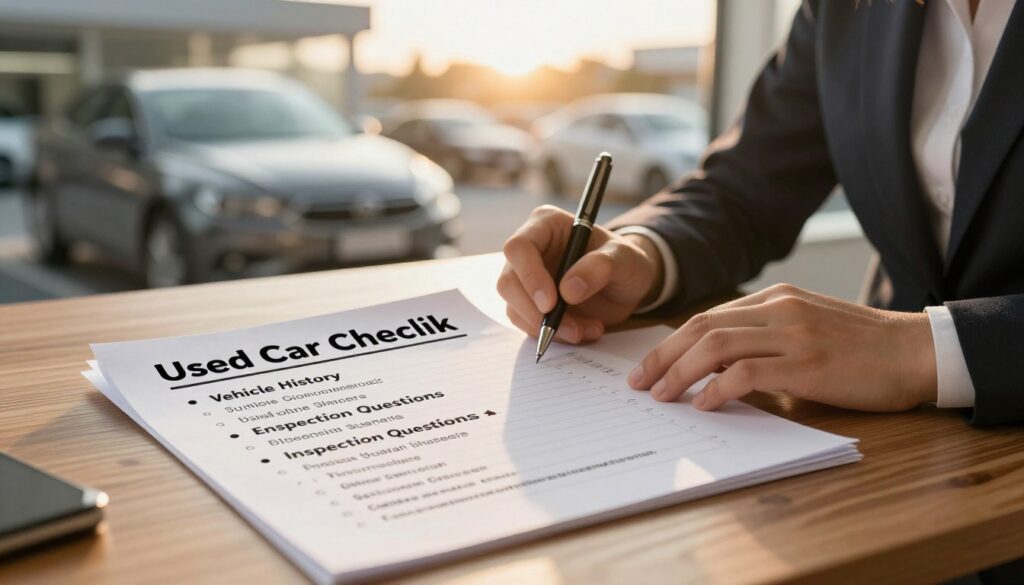
Inquiring About Report Discrepancies
Notice any differences between what the seller says and the reports? You should ask about it right away. Use reliable buying tips to ask your questions. Be firm but polite when asking about missing records or different mileage readings.
If the seller gets defensive or doesn’t want to talk, it’s a red flag. A good seller will explain any differences in your Used Car Checklist or show you the proof.
Discussing Accident History with the Seller
Talking about past accidents needs to be done carefully. Ask about the damage and how it was fixed. You want to know if it was done right by a certified mechanic or if it was a quick fix.
“Transparency is the foundation of a fair deal; if a seller hides the truth about a vehicle’s history, they are likely hiding other mechanical issues as well.”
Here’s a table to help you organize your questions and the seller’s answers.
| Topic | Seller’s Claim | Report Finding | Action Required |
|---|---|---|---|
| Accident History | Minor bumper scratch | Structural damage | Request repair receipts |
| Title Status | Clean title | Salvage/Rebuilt | Verify with DMV |
| Service History | Regular maintenance | No records found | Ask for service logs |
Having your Used Car Checklist ready helps you not miss anything important. This way, you can make a smart choice and feel confident about your purchase.
The Role of Mechanic Inspections
A vehicle history report is useful, but it can’t replace a mechanic’s eye. It gives valuable data, but it might miss current mechanical wear. We highly suggest a Pre-Purchase Inspection to check if your investment is good to go.
Why a Pre-Purchase Inspection is Essential
A thorough check can find hidden problems not in any database. Databases show past events, but can’t predict sudden failures. A skilled technician can spot these issues before they cost a lot.
Choosing a Pre-Purchase Inspection gives you confidence in the car’s state. Mechanics look for signs of neglect that others might miss. This is the gold standard for buying a reliable used car.
How Mechanics Use Vehicle History Reports
Always share your history report with your mechanic before they start. This document helps them know where to focus. If the report shows a past crash, they can check the car’s frame and body for bad repairs.
With this context, the Pre-Purchase Inspection is much more effective. The technician can check if past maintenance was done right or if there are recurring problems. Mixing digital research with hands-on checks helps you make a smart choice every time.
The Cost of Vehicle History Reports
Getting a Car History Report might seem like an extra cost. But, it can save you a lot of money in the long run. Think of it as insurance for your vehicle search.
Average Prices for Reports
Reputable services offer different pricing options. You can get a single report for $30 to $45. Or, you can buy a bundle for multiple vehicles. These prices cover the detailed data needed for an accurate report.
When you think about buying a car, the report cost is small. For more details on reading these reports, check our vehicle history report guide. A professional service gives you:
- Verified title status and ownership history.
- Comprehensive accident and damage records.
- Accurate odometer readings to prevent fraud.
Are Free Reports Worth It?
Free online tools might seem appealing, but they’re not as reliable. Free reports often miss important details like salvage titles or service gaps.
We advise against relying on incomplete data. A Car History Report from a trusted source offers more peace of mind. It ensures your next car is a good investment, not a financial risk.
Tips for Buying Reliable Used Cars
When you’re buying a used car, how well you prepare can make a big difference. History reports give you a glimpse into the past, but they don’t tell everything about a car’s future. A smart buyer looks at more than just history to find a reliable car.
The Importance of Research Before Purchase
Do your homework on the car you’re interested in. Look for common reliability issues with that make and model. Reading owner forums and expert reviews can help you avoid costly repairs.
Also, check if the car needs special maintenance. Some cars require care that’s hard to find or expensive. Knowing this helps you find reliable used cars that fit your budget and maintenance skills.
Utilizing Online Resources for Further Insight
Today’s technology offers great tools to check a car’s safety. The National Highway Traffic Safety Administration (NHTSA) has a database at safercar.gov. It’s free and lists cars with open safety recalls.
Checking this site is key when buying a used car. It makes sure the car meets safety standards. If a car has an open recall, ask the seller if it’s been fixed by a dealer. Knowing about safety details helps you make a better choice.
Final Thoughts on Vehicle History Checks
Starting your financial future is all about the steps you take before you sign anything. A thorough Car History Check is your first line of defense against hidden problems and title issues. We think informed buyers can get better deals and avoid cars with bad histories.
Making Informed Buying Decisions
Having the right data is key when you’re looking for a car. By checking with Carfax or AutoCheck, you learn the real state of your future car. This way, you make sure your next vehicle is safe and reliable for years.
Building Trust with Sellers and Dealerships
Being open and honest is the base of every good deal. Asking for a detailed report shows you’re serious and careful. This leads to a professional deal where both sides feel good about it. Use this knowledge to find a car that will give you peace of mind for years.
FAQ
Why is a vehicle VIN check the most critical step when we are buying a used car?
A VIN is like a digital fingerprint for every vehicle. It lets us check the car’s full history through the NMVTIS or services like CARFAX. This way, we avoid buying a car with hidden damage or liens.
How do we distinguish between a reliable car history report and an incomplete one?
To find reliable cars, look for reports from many trusted sources. A good report should include data from DMVs, insurance, and repair shops. Use providers like AutoCheck or Experian to ensure the info is accurate.
What specific red flags should be included on our used car checklist?
Our checklist should watch for “Salvage,” “Junk,” or “Flood” titles. Also, be wary of “title washing” and big gaps in service history. Look for mileage inconsistencies that might show odometer fraud.
Can a car history check reveal if a vehicle has been involved in a flood?
Yes, a check will show if a car was declared a total loss by insurance due to water damage. This is important because flood damage can cause long-term problems in cars like BMW or Mercedes-Benz.
Why should we even get a pre-purchase inspection if the history report is clean?
Even with a clean history report, not all accidents or repairs are documented. A mechanic’s inspection can find hidden damage or wear that reports miss. This is the best way to ensure a car’s safety.
How do we use government resources like the NHTSA to ensure vehicle safety?
Use the NHTSA website to check for safety recalls by VIN. This tells us if the car has any unaddressed recalls from makers like General Motors or Honda. It’s a key step in buying a safe used car.
Are service records a reliable indicator of how well a car was maintained?
Yes, they are. Regular service entries for things like oil changes and brake replacements are good signs. Gaps in these records can mean the car wasn’t well cared for, leading to costly repairs.
What is the difference between minor cosmetic repairs and structural damage in a report?
When reviewing history, look at the damage’s severity. Cosmetic repairs, like a bumper replacement, are usually okay. But “structural” or “frame” damage is a big warning, as it means the car’s safety is at risk.

Hi! I’m Moheen Iftikhar, the person behind «CarCruisei». I’m deeply interested in the automotive world, from new car trends and advanced vehicle technology to useful driving advice. On this platform, I publish informative car reviews, expert insights, and practical tips to keep every car enthusiast informed and inspired.