


Electric Car Maintenance: What Happens If an Electric Car Runs Out of Battery
Switching to a modern car has many perks, but it also raises new questions. We often talk about the long-term savings of hybrid vs electric cars. But, knowing how to handle daily tasks is key for peace of mind.
While most drivers rarely face a total power loss, being ready is important. Knowing your car’s range helps you drive with confidence.
Ever wonder, what happens if an electric car runs out of battery while driving? This is rare, but knowing how to handle it is vital. Good Electric Car Maintenance keeps your car running smoothly, avoiding unexpected stops.
Key Takeaways
- Running out of power is a rare event for most modern drivers.
- Planning your route and monitoring charge levels prevents range anxiety.
- Most vehicles provide multiple warnings before power levels reach zero.
- Safety protocols involve pulling over to a secure location immediately.
- Roadside assistance services are increasingly equipped to handle stranded EVs.
Understanding Electric Vehicle Batteries
Learning about your electric car starts with its batteries. Most cars have a main battery pack and a 12-volt battery. This dual-battery architecture is key for both power and reliability.
The main battery pack powers the car. It gives the energy needed to move. The 12-volt battery, on the other hand, runs your car’s lights, music, and safety features. Knowing about electric car battery technology helps you understand how your car uses power.
Types of Electric Vehicle Batteries
Most cars use lithium-ion batteries for their main pack. These batteries pack a lot of power in a small space. This is why electric car battery range has grown so much in the last ten years.
The 12-volt battery is usually a lead-acid or lithium-ion type. It keeps important systems running when the main battery is off. Keeping both batteries in good shape is important for your car’s health.
Battery Lifespan and Efficiency
It’s important to know that electric car battery life isn’t forever. Over time, the battery will naturally degrade. But, how you charge and drive can slow down this process.
Engineers work hard to make batteries last longer. By watching your charging habits and avoiding extreme temperatures, you can help your battery last. Consistent maintenance is the best way to keep your car running well.
Signs Your Electric Car Battery Is Low
Knowing your car’s energy levels is key for a smooth drive. Electric cars have smart software that tracks energy use. By watching these signs, we can plan our trips better and avoid sudden power loss.
Warning Lights on the Dashboard
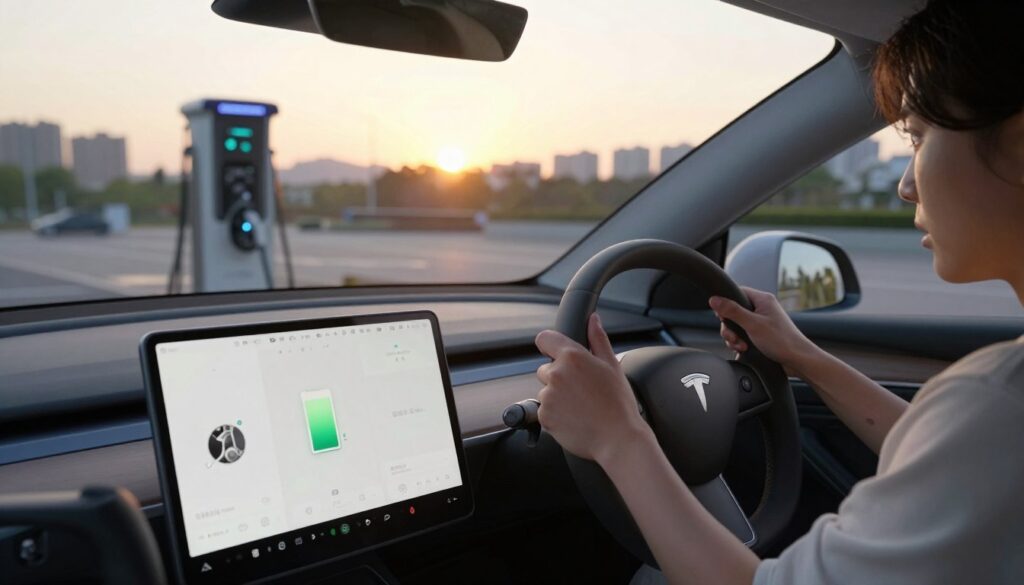
Car makers put clear lights on the dashboard to warn us when the battery is low. These lights start with a simple notice and get more urgent as the battery runs out. Don’t ignore these lights because they tell us when to find a charger.
Systems also send sounds or messages on the screen. These critical notifications pop up when the battery hits a low point, like 10% or 5%. We should see these as a sign to head to the nearest charger.
Decreasing Range
The electric car battery range changes based on how we drive. Things like fast speeds, using the AC, and driving uphill can make the range go down faster. It’s important to remember this when we’re on long trips.
If the car notices a big drop in efficiency, it might suggest turning off things we don’t need. Keeping an eye on the electric car battery range helps us decide how to drive. This way, we stay in control of our trip and keep the battery healthy.
| Alert Level | Dashboard Indicator | Recommended Action |
|---|---|---|
| Low Charge | Yellow Battery Icon | Plan route to charger |
| Critical Charge | Red Battery Icon | Find nearest station immediately |
| Reduced Power | Performance Warning | Limit speed and save energy |
Immediate Effects of Running Out of Battery
Modern electric vehicles have smart safeguards to avoid sudden power loss. When the battery gets low, the car doesn’t just stop while you’re driving. It starts special actions to protect itself and give you time to react safely.
Loss of Power and Control
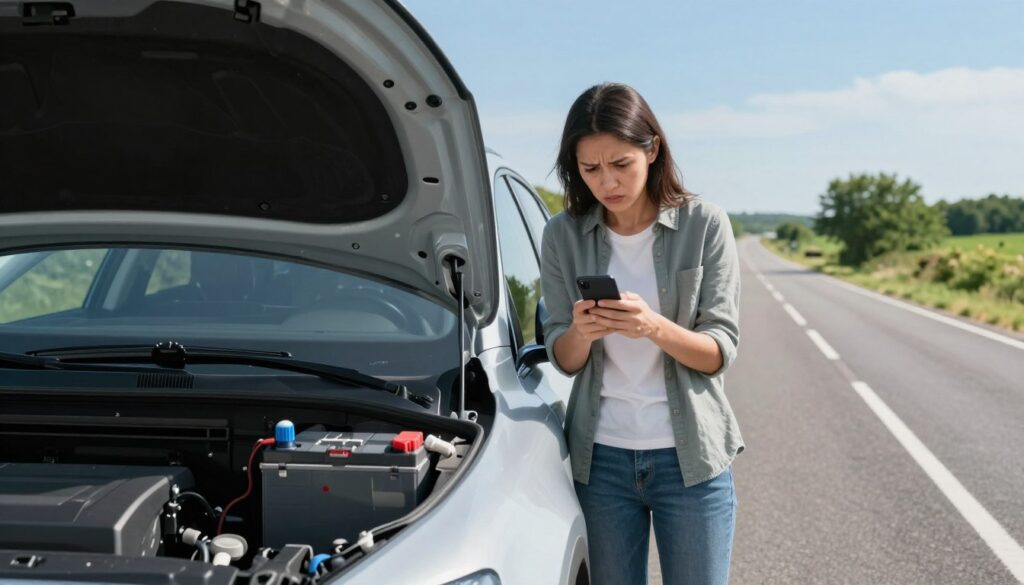
Most cars have a feature called “tortoise mode.” When the battery is almost empty, the car slows down a lot. This is to save energy for important things like steering and brakes.
This mode lets you cruise slowly to a safe spot. Even though the car goes slow, it’s easy to steer. Try to get to a parking area calmly.
Potential Safety Hazards
The biggest danger is getting stuck in a busy place. When the car saves its last bit of power, find a flat, safe spot away from traffic. Trying to use up the battery completely can be risky.
Stay alert in these emergency situations. After pulling over, turn on your hazard lights to warn others. Knowing how your car acts can help you stay in control and safe.
What to Do When Your Electric Car Runs Out of Battery
Dealing with a dead electric car needs the right knowledge to keep your car safe and you safe too. It’s a stressful situation, but staying calm helps you make the best choices to get moving again.
Finding a Charging Station
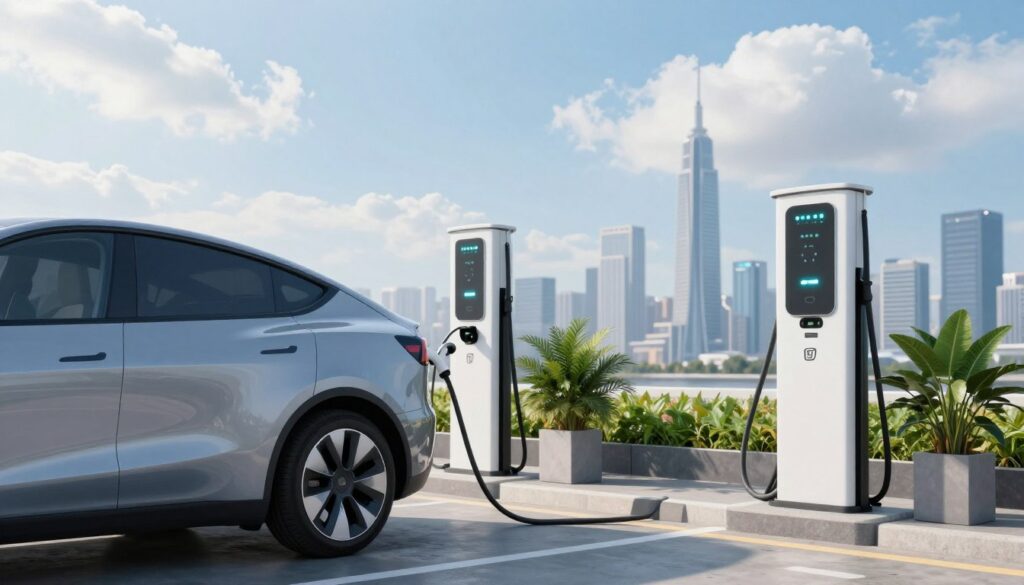
First, find the nearest place to charge your car. Use your car’s GPS or apps on your phone to find electric car charging stations nearby.
For long trips, have a list of places to charge ready. Being prepared reduces stress when your battery is low.
Utilizing Roadside Assistance
If you can’t find a charging spot, don’t try to push or tow your car. Call a roadside help service that knows how to handle electric cars.
It’s key to ask for a flatbed tow truck. A regular tow truck can harm your car’s drivetrain. Some services even have mobile electric car charging stations to help you reach a plug.
Impact on Battery Health
Letting your battery hit zero can cause more than just a car problem. Modern lithium-ion packs need a certain charge level to work best. Ignoring this can shorten your electric car battery life a lot.
Risks of Deep Discharge
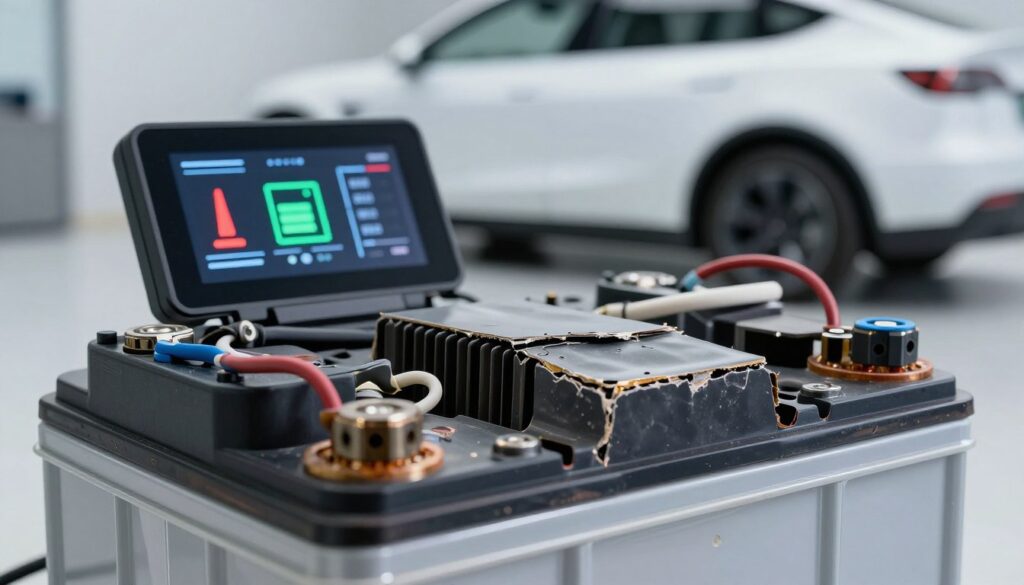
Deep discharge means the battery is almost empty. This stress can change the battery’s chemistry forever. It’s a big reason for electric car battery degradation.
Batteries aren’t meant to stay at zero for long. If they do, problems can happen:
- It can make charging less efficient.
- It can cause cell imbalance, making the battery system work harder.
- It can lead to permanent capacity loss that can’t be fixed by charging.
“The longevity of an electric vehicle is inextricably linked to how well the owner manages the battery’s charge cycles throughout its operational life.”
Long-term Effects on Battery Life
Driving your car to its limit can harm it over time. Even with safety features, deep discharges often aren’t covered by the electric car battery warranty. Manufacturers usually only cover defects, not damage from misuse or bad charging.
Want to know how these habits compare? Check out a hybrid vs plug-in hybrid total cost of ownership and fuel economy. Keeping your charge between 20% and 80% helps avoid early electric car battery replacement and keeps costs down.
Being proactive is key for any owner. Check your battery health often through your car’s dashboard. These small actions today can make your car reliable for years.
Differences Between Electric and Gasoline Cars
Electric vehicles and gasoline cars differ mainly in fueling and maintenance. Switching to electric means changing how we drive and manage energy. Gas cars need refueling at stations, but electric cars charge differently.
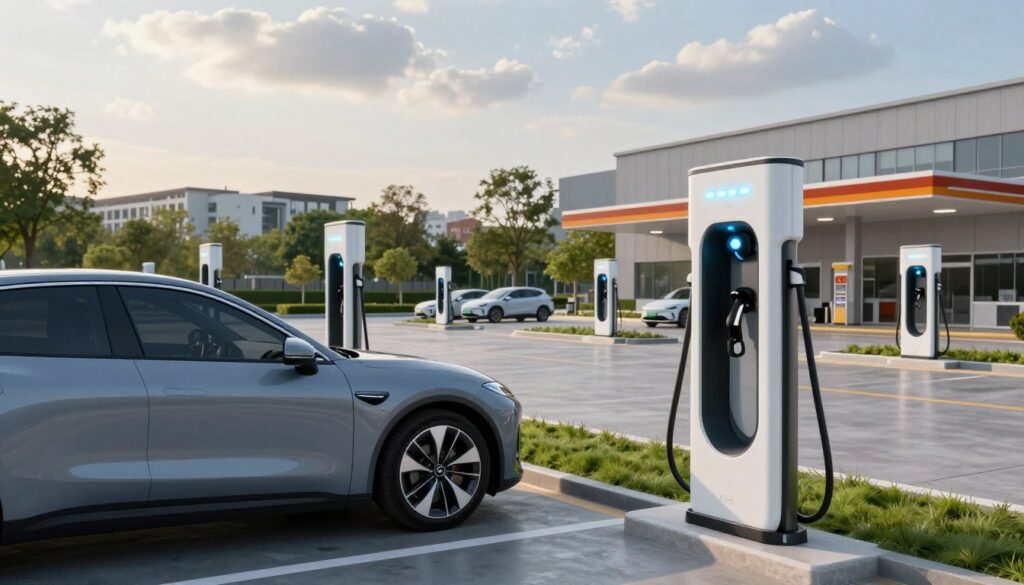
Refueling Process: Charging vs. Gas
One big change is moving away from gas stations. Instead, we charge at home, often overnight. This convenience lets us start each day with a full battery, making our garage a private fueling spot.
For long trips, we use electric car charging stations on highways. These stations give us the power we need without fossil fuels. Planning our routes around these electric car charging stations keeps us powered up.
Maintenance Considerations
Maintenance is where electric cars shine. They have fewer parts than gas cars, so we skip oil changes and spark plug replacements. This simplification saves us time and money.
But, electric cars need special care. Their heavy batteries wear out tires faster, and regenerative braking needs different maintenance. Regular checks keep our cars running well for years.
Best Practices for Battery Management
Proactive care is key to getting the most from your electric car. Smart habits can slow down electric car battery degradation and keep your car running well for years.
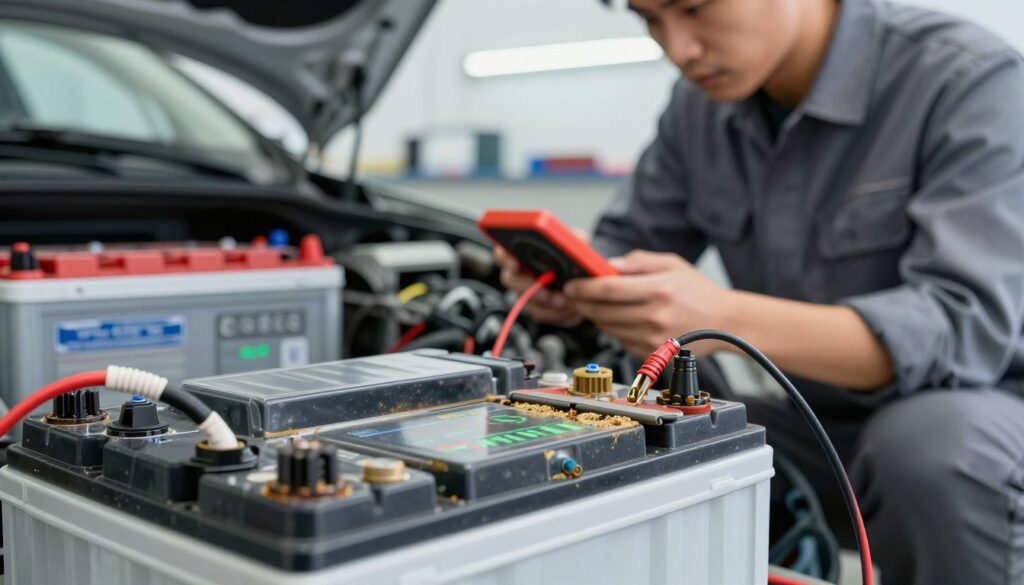
Regular Charging Habits
Consistency is key for a healthy battery. Keep your charge between 20% and 80% for daily use. This reduces stress on the battery cells.
Avoid deep discharges to prevent electric car battery degradation. Frequent zero discharges speed up chemical wear in the battery.
- Plug in your vehicle whenever a charger is available to maintain a steady state of charge.
- Use scheduled charging features to finish your charge just before you plan to leave.
- Avoid leaving your car at 100% charge for extended periods in hot weather.
Monitoring Battery Health
Modern electric vehicles have advanced software to track battery health. Regularly check your dashboard for any changes in range or efficiency.
If you see a sudden drop in range, it might be electric car battery degradation. Visit a certified technician for a check-up.
Proactive monitoring helps catch issues early. This way, we keep our investment reliable and efficient for every mile.
Emergency Solutions for Electric Vehicle Owners
We think every driver should have a basic toolkit for minor electrical emergencies. Modern EVs are reliable, but knowing how to handle unexpected power loss is key. If you’re in a tough spot, you can learn more about what to do when your electric car battery dies to stay safe.
Portable Chargers
Having a portable charger is a smart move for EV owners. These small devices can add some range when you’re far from a charging station. Preparation is key to avoid a costly electric car battery replacement.
Make sure your portable charger fits your car’s port. Keep it in your trunk for long trips. It’s a reliable backup when your battery levels drop.
Jump-Starting Techniques
Many owners don’t know EVs need a 12-volt battery for electronics. If this battery fails, your car might not start, even with a full main battery. You can jump-start it with a portable booster or another car.
But, you must follow your manufacturer’s guidelines carefully. Wrong connections can damage your car’s electrical system. This could lead to needing an electric car battery replacement. Always check your owner’s manual for the right jump-start terminals.
Future Technology and Electric Vehicle Batteries
We are in a new era where battery breakthroughs change our daily drives. Innovative engineering is overcoming old limits, making electric cars more popular. These changes help our cars go farther and make our switch to green transport smoother.
The focus on electric car battery recycling is growing. Recycling lithium and cobalt cuts down our environmental impact. This way, our energy sources stay clean from start to finish.
Advancements in Battery Technology
The heart of today’s electric car battery technology is solid-state batteries. They pack more energy, letting cars travel longer without needing to stop. This means we can go further without worrying about running out of power.
Also, telematics systems are becoming common. They give us detailed info on how much energy we use. This helps us plan better and keep our cars in top shape.
The Role of Charging Infrastructure
More electric car charging stations are key for our future roads. High-speed chargers can fill up a battery in minutes, not hours. This is thanks to smart grid tech that keeps the system running smoothly.
The table below shows how battery and charging tech will improve in the next decade:
| Feature | Current Standard | Future Projection |
|---|---|---|
| Average Range | 250-300 Miles | 450+ Miles |
| Charging Speed | 30-60 Minutes | 10-15 Minutes |
| Battery Lifecycle | 8-10 Years | 15-20 Years |
| Recycling Rate | Moderate | High (95%+) |
Frequently Asked Questions about Electric Car Maintenance
Switching to an electric car means learning new habits, like taking care of the battery and the car itself. Many people wonder about Electric Car Maintenance. We aim to clear up these doubts, making you more confident in your choice and daily driving.
Common Myths Debunked
One big myth is that electric car battery replacement is common and expensive. But, most batteries are made to last as long as the car. Car makers often give long warranties, up to ten years, for the battery.
Another myth is about the charging system. Many find that charging at home is enough for daily needs. If you’re stuck, knowing what to do if your electric car runs out of charge is key to staying safe.
Tips for New Electric Car Owners
Learning about Electric car battery technology helps you get the most out of your car. Keep the battery between 20% and 80% charged for daily use. Always check your manual for updates and cooling system checks.
When your car’s life ends, know that Electric car battery recycling is growing. Most parts are reused, making EVs eco-friendly. If your car acts strangely, get it checked by a pro to avoid bigger problems.
| Maintenance Task | Electric Vehicle | Gasoline Vehicle |
|---|---|---|
| Oil Changes | Not Required | Required Regularly |
| Brake Wear | Reduced (Regenerative) | Standard Wear |
| Transmission Fluid | Minimal/None | Frequent Service |
| Battery Health | Software Monitored | Periodic Replacement |
Conclusion: Importance of Regular Maintenance
Mastering your vehicle makes driving smooth. Proactive habits change how we use our cars every day. Knowing what happens if an electric car runs out is key to being a good owner.
Maintaining Peak Performance
Regular Electric Car Maintenance keeps your car running well. It’s important to watch battery levels to prevent damage. Taking good care of your car makes it last longer.
Securing Your Investment
Understanding your Electric car battery warranty is essential. Simple habits like not letting the battery get too low help a lot. When it’s time to replace the battery, choose eco-friendly recycling.
By following these tips, your car will stay efficient for years. Stay updated and keep your driving future bright. These steps today will make every mile better.
FAQ
What exactly happens when our electric vehicle runs out of power on the road?
When the battery hits zero, most cars, like Tesla or Ford, go into “tortoise mode.” This mode lets us move to a safe spot before the system shuts down. After that, we need a flatbed tow truck to get to a charger.
Can we jump-start an electric vehicle if the battery is dead?
We can jump the 12-volt battery for the electronics and screens. But, we can’t jump the main battery pack. If the small battery is dead, a jump-pack or another car can help. But, if the big battery is empty, we need a special charger or service.
How does frequent deep discharge affect our electric car battery life?
Letting the battery go to 0% often can harm it. To keep it healthy, keep it between 20% and 80% charged. Deep discharges stress the cells, making them wear out faster.
What should we know about the electric car battery warranty?
Most makers, like Chevrolet and BMW, offer an 8-year or 100,000-mile battery warranty. They promise the battery will keep at least 70% capacity. Knowing this helps protect our investment.
Is electric car maintenance more complex than maintaining a gasoline vehicle?
Actually, it’s simpler. We don’t need to worry about oil, spark plugs, or belts. Our care includes tire rotations, air filter checks, and coolant checks. The big worry is keeping the battery healthy.
What happens to the batteries once they are no longer useful for driving?
The EV world focuses on sustainability. Recycling programs, like Redwood Materials and Li-Cycle, recover materials for new batteries. This reduces waste and supports a green future.
How can we accurately monitor our electric car battery range during long trips?
Use built-in systems like Google Maps in Polestar cars or Tesla’s Trip Planner. They consider elevation, weather, and speed for a good estimate. This helps us find chargers before we run out.

Hi! I’m Moheen Iftikhar, the person behind «CarCruisei». I’m deeply interested in the automotive world, from new car trends and advanced vehicle technology to useful driving advice. On this platform, I publish informative car reviews, expert insights, and practical tips to keep every car enthusiast informed and inspired.