


Hybrid vs Plug-In Hybrid Total Cost of Ownership and Fuel Economy Comparison
Choosing the right vehicle in the United States market requires a deep dive into financial and operational data. We analyze the Hybrid vs Plug In Hybrid Total cost of ownership and fuel economy comparison to help you navigate your next purchase.
Many drivers struggle to determine which powertrain offers the best value over time. By examining long-term maintenance, depreciation, and daily charging habits, we provide clarity for your specific needs.
Our team utilizes current 2025 market data to ensure our insights remain accurate. We believe that understanding these differences is essential for making a smart investment that saves you money at the pump and in the garage.
Key Takeaways
- Standard models offer simplicity for those without home charging access.
- Plug-in variants provide significant savings for short, daily commutes.
- Maintenance schedules vary greatly between these two distinct technologies.
- Depreciation rates remain a critical factor for your long-term financial planning.
- Driving habits dictate which vehicle type maximizes your personal return on investment.
Understanding Hybrid Vehicles
Hybrid vehicles are a great choice for many drivers. They offer a balance between traditional cars and electric ones. This makes them a smart pick for those wanting to save on fuel.
Definition of Hybrid Vehicles
Hybrid cars have two power sources. They use both a gasoline engine and an electric motor. This setup helps them run more efficiently.
The Toyota Prius is a well-known example. It showed that hybrids can be reliable, affordable, and fuel-efficient for daily use in the U.S.
How Hybrid Vehicles Work
Hybrid systems aim to use energy wisely. They switch between gasoline and electricity based on driving conditions. This helps them run at their best.
The magic of hybrids is how they manage energy on their own. They do this without needing the driver to do anything.
Hybrids have important parts to work well:
- Internal Combustion Engine: This engine kicks in when driving fast or needing more power.
- Electric Motor: It helps with quick starts and low-speed driving to save fuel.
- Regenerative Braking: This captures energy when braking and stores it in the battery.
Hybrids don’t need to plug in, making them a favorite for eco-conscious drivers. They recharge the battery through braking. This makes them easy to use and helps save money on gas.
Exploring Plug-In Hybrid Vehicles
Many drivers are choosing plug-in hybrid cars for their daily needs and long trips. These cars mix the ease of a gas engine with the green power of an electric motor.
Definition of Plug-In Hybrid Vehicles
Plug-in hybrid electric vehicles, or PHEVs, are a middle ground between gas cars and electric ones. They can charge their battery from an outside power source, unlike standard hybrids.
This means you can keep going, even when the electric runs out. They offer a special way to use energy, different from a SUV vs crossover.
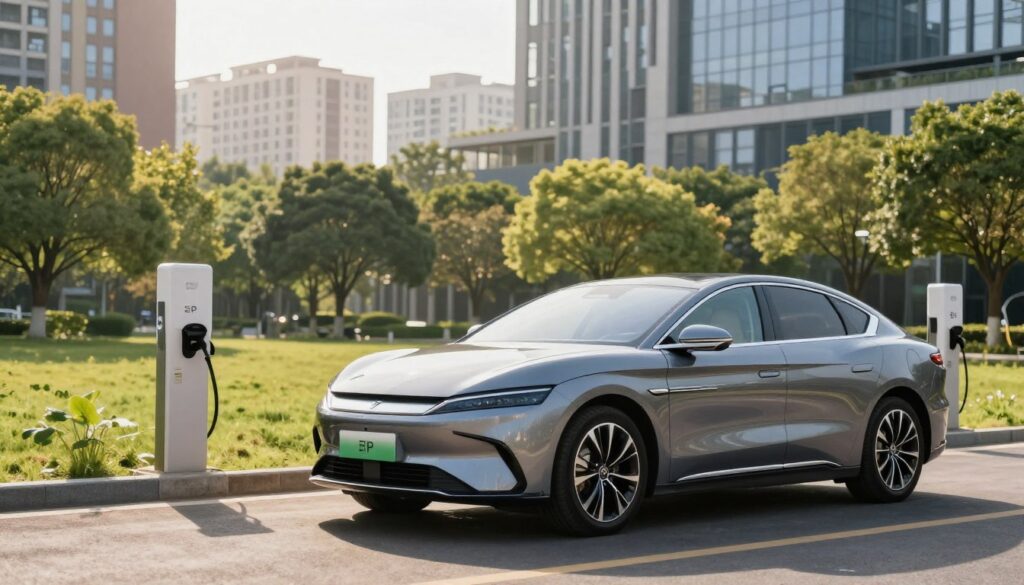
Key Features of Plug-In Hybrids
The big difference is in the battery size. PHEV batteries are much bigger, allowing for extended all-electric driving.
Most 2025 models can go 25 to 50 miles on electric alone. This is enough for a daily drive without gas. This dual-fuel capability lets you drive electric for workdays and use gas for road trips.
By picking plug-in hybrid cars, you get the quiet, green city driving and the range of a gas tank for longer trips.
Total Cost of Ownership: An Overview
Looking at the cost of owning a car means more than just the price tag. A detailed hybrid car comparison shows how different cars affect your wallet over time. We think buyers make smart choices when they consider every dollar spent on a car.
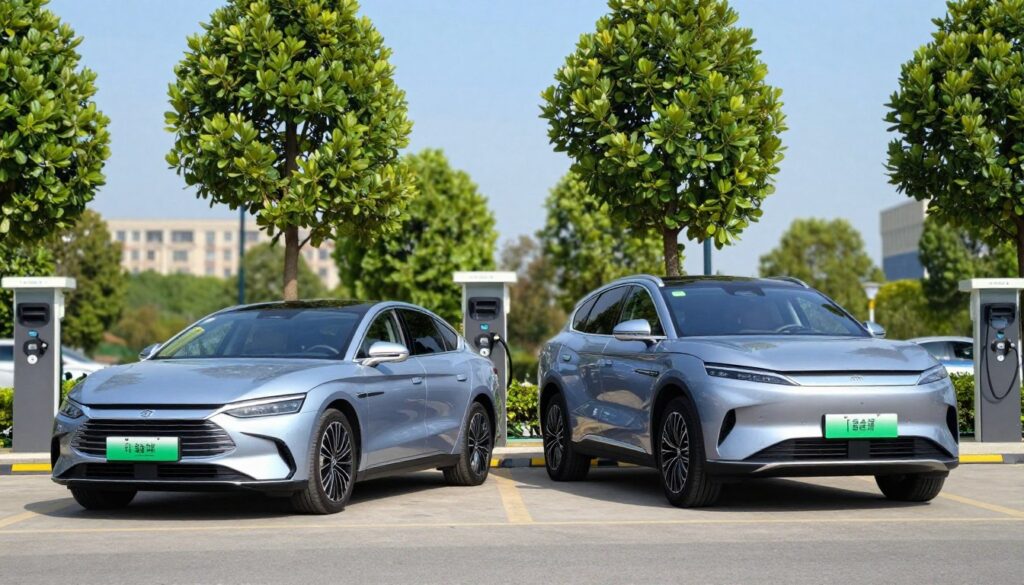
Factors Influencing Total Cost of Ownership
Many things affect your yearly car expenses. Depreciation is the biggest cost, often more than half of the total. Fuel efficiency, insurance, and maintenance also play big roles in your budget.
“The true cost of a vehicle is not found on the window sticker, but in the cumulative expenses incurred over years of reliable service.”
When comparing cars, think about how these factors work together. A car with a high price might save you money on gas, making it a good deal. If you want a reliable car, check out the best SUVs 2026 for their long-term value.
Calculating Ownership Costs
Experts like AAA give us data to figure out our costs. Their 2025 “Your Driving Costs” study says owning a new car costs about $11,577 a year. This includes fuel, maintenance, insurance, and depreciation, giving you a good starting point for your hybrid car comparison.
Here’s a table to show how these costs vary by car type:
| Cost Category | Impact Level | Primary Driver |
|---|---|---|
| Depreciation | High | Vehicle Age & Brand |
| Fuel Costs | Medium | Powertrain Efficiency |
| Maintenance | Low/Medium | Service Intervals |
| Insurance | Medium | Vehicle Value |
By watching these numbers, you can guess your yearly costs. A thorough hybrid car comparison helps avoid surprise expenses. We suggest looking at the big picture to make sure your car fits your budget.
Fuel Economy: What to Expect
Efficiency is more than just a number; it shows how well you drive every day. Many people choose fuel-efficient hybrid cars to save money. But, how much you save really depends on how you use the car’s features.
It’s important to know the difference between standard hybrids and plug-in models. This knowledge helps you get the most out of your car.

Comparing Fuel Efficiencies
Standard hybrids use regenerative braking and a gasoline engine to save energy. They work well in all driving situations. On the other hand, plug-in hybrid electric vehicles (PHEVs) offer two modes based on charging.
When the battery is full, PHEVs run on electricity, which is cheaper than gas. If the battery is not charged, they act like standard hybrids but are heavier because of the battery.
So, consistent charging is key to getting the most out of PHEVs. Without it, you might not see the big savings that make these cars popular.
Real-World Fuel Economy Figures
For 2025, most PHEVs can go 25 to 50 miles on electric power. This is great for short trips, letting you avoid gas. But, when the battery runs out, they use gasoline, just like standard hybrids.
Real-life driving can differ from what the EPA says because of speed, climate control, and terrain. It’s a good idea to track your own mileage to see how it affects your fuel use. Here’s a table showing how these cars compare in different situations.
| Vehicle Type | Primary Power Source | Best Use Case | Efficiency Impact |
|---|---|---|---|
| Standard Hybrid | Gasoline + Battery | Long-distance highway | Consistent high MPG |
| PHEV (Charged) | Electricity | Short daily commutes | Maximum cost savings |
| PHEV (Uncharged) | Gasoline | Long road trips | Standard hybrid levels |
Purchase Price Comparison
Looking at the cost of cars today is important. The price you pay upfront is a big deal for many families. It’s key to understand the hybrid vs electric car cost when choosing a car.

The 2025 car market has seen price drops in many areas. But, electric cars usually start at a higher price than gas cars. If you’re looking for a good deal, check out top-rated sedans and most fuel-efficient gas cars for daily use.
Cost of Hybrid Vehicles
Hybrid cars are often more affordable. They have smaller batteries, so they cost less than electric cars. This makes them a great choice for those who want to save money and help the planet.
“The true value of a vehicle is found not just in the sticker price, but in the harmony between daily utility and long-term financial sustainability.”
Cost of Plug-In Hybrid Vehicles
Plug-in hybrid cars (PHEVs) cost more than standard hybrids. This is because they have bigger batteries and charging systems. Even so, PHEVs offer a good balance by allowing you to drive on electric alone.
Here’s a quick look at how these cars compare:
| Vehicle Type | Upfront Cost | Battery Complexity |
|---|---|---|
| Standard Hybrid | Moderate | Low |
| Plug-In Hybrid | High | Medium |
| Electric Vehicle | Premium | High |
Your choice depends on how much you value electric-only driving. The hybrid vs electric car cost difference is getting smaller. But, plug-in hybrids are a good option for those not ready for a full electric switch.
Maintenance and Reliability
When we look at the cost of owning a car, maintenance and reliability are key. The right car choice goes beyond the initial price. It’s about understanding how complex a car is and what it means for your wallet. Knowing what to expect at the service center is key for peace of mind.
Maintenance Costs for Hybrid Cars
Hybrid cars are known for being simpler than gas cars. They use a smaller engine and an electric motor. This means less wear on parts like brake pads.
Thanks to regenerative braking, hybrids slow down using energy captured during deceleration. This reduces the need for oil changes and lessens transmission stress. Hybrids stay reliable for up to ten years.

Maintenance Costs for Plug-In Hybrids
Plug-in hybrid cars have more complex maintenance needs. They have two powertrains, which means more parts to service. They offer electric-only driving but require more maintenance due to their complex systems.
“Reliability is not just about the absence of repairs, but the predictability of your vehicle’s performance over the long haul.”
Because plug-in hybrid cars have more components, they need specialized care. Technicians must know both battery systems and mechanical parts. Keep an eye on the battery cooling system, electric motor, and inverter. Also, don’t forget standard engine maintenance.
While plug-in hybrid cars may need more maintenance, their efficiency can make up for it. Regular services help you enjoy both worlds without financial surprises.
| Feature | Standard Hybrid | Plug-In Hybrid |
|---|---|---|
| Powertrain Complexity | Moderate | High |
| Brake Wear | Low | Low |
| Service Frequency | Standard | Higher |
Fuel Savings
When we look at owning a vehicle, saving on fuel is key. Knowing the hybrid vs electric car cost depends on your daily drive and local energy prices. Looking at how cars use energy helps predict your costs over time.

Estimating Fuel Savings for Hybrids
Hybrids save fuel by using regenerative braking and smart engine use in city traffic. They don’t need to be charged, making them easy for many to use. Efficiency gains are big in cities, where gas engines use a lot of fuel.
To guess your savings, compare a hybrid’s MPG to your current car. If you drive 15,000 miles a year, a small MPG boost can save you hundreds. Consistent fuel economy is what makes hybrids valuable.
Estimating Fuel Savings for Plug-In Hybrids
Plug-in hybrids (PHEVs) have two fuel sources. They have two fuel flaps for gasoline and electricity. Charging daily lets you use electricity more, saving on gas.
The hybrid vs electric car cost changes with PHEVs’ electric-only driving. Charging at home cuts gas use a lot. Compare local electricity costs to gas for your daily drive to see savings.
Using off-peak charging lowers costs. Strategic charging is key for PHEVs. Using less gas means a big cut in fuel costs.
Incentives and Tax Credits
The era of broad federal tax credits for electrified vehicles has officially come to a close. As of September 30, 2025, the U.S. government has concluded its national programs for both new and used electric and hybrid models. This shift marks a significant change in how buyers approach the total cost of ownership for their next vehicle.
While the national landscape has changed, the financial focus has moved toward more localized opportunities. We encourage you to look closely at your specific state and municipal offerings to find hidden value. Many regions remain committed to supporting the transition to cleaner transportation through targeted financial assistance.
Federal Incentives for Hybrids
Historically, federal support played a major role in lowering the barrier to entry for hybrid technology. With these programs now expired, the price gap between traditional internal combustion engines and hybrid models is no longer bridged by federal tax breaks. Strategic planning is now more important than ever when evaluating your budget.
You should focus your research on programs that exist outside of the federal scope. Many utility companies now offer their own versions of support to encourage grid efficiency. These programs often provide direct rebates for consumers who choose vehicles that reduce overall fuel consumption.
Incentives for Plug-In Hybrid Owners
Owners of plug-in hybrid vehicles often find unique opportunities through local utility providers. Because these vehicles require home charging, many power companies offer specialized rebates for the installation of Level 2 charging equipment. These incentives can significantly lower the upfront cost of setting up your home infrastructure.
Beyond charging hardware, some states provide registration fee discounts or access to high-occupancy vehicle lanes for plug-in owners. We recommend checking your local Department of Motor Vehicles website for the most current information. The following table outlines the types of support you might find in your area:
| Incentive Type | Primary Benefit | Availability |
|---|---|---|
| Utility Rebates | Home Charger Installation | Regional/Local |
| State Tax Credits | Purchase Price Reduction | State-Specific |
| HOV Lane Access | Reduced Commute Time | State/County |
| Registration Discounts | Lower Annual Fees | State-Specific |
Environmental Impact Considerations
Choosing between different electrified powertrains requires a deep look at lifecycle emissions. This helps us understand the true ecological footprint of your vehicle. Many buyers choose fuel-efficient hybrid cars to reduce their personal impact on the planet.
We must consider the entire life of the vehicle. This includes the initial manufacturing of large battery packs and the daily reduction in tailpipe emissions.
Emissions of Hybrid vs Plug-In Hybrid Vehicles
When analyzing these vehicles, we look at both production and operation. The manufacturing process for high-capacity batteries is energy-intensive. But, the long-term benefits often outweigh these initial costs.
Most lifecycle studies show that battery-powered models produce fewer emissions than traditional gas vehicles after roughly 15,000 miles of driving.
For those interested in comparing hybrid and electric cars, it’s important to note that plug-in models offer a unique middle ground. These vehicles use a combination of electricity and gasoline. This can significantly lower your carbon footprint if you charge them consistently. Consistency is the key to maximizing the environmental advantages of these advanced machines.
Long-Term Environmental Benefits
Your daily usage habits play a massive role in the long-term environmental benefits of your chosen vehicle. If you drive a plug-in model but rarely charge it, you are effectively driving a heavier, less efficient gas car.
But, when used as intended, these fuel-efficient hybrid cars provide a substantial reduction in greenhouse gas emissions over their lifespan.
We encourage owners to track their charging frequency to ensure they are meeting their sustainability goals. By integrating electric power into your commute, you contribute to cleaner air and reduced reliance on fossil fuels. The following table highlights the key environmental differences between these vehicle types.
| Vehicle Type | Primary Power Source | Emissions Profile | Best Use Case |
|---|---|---|---|
| Standard Hybrid | Gas & Regenerative | Moderate Reduction | City Commuting |
| Plug-In Hybrid | Electric & Gas | High Reduction | Short-Range Daily Trips |
| Battery Electric | Electricity Only | Lowest Lifecycle | Consistent Charging |
Resale Value and Depreciation
When picking between electric and hybrid cars, it’s key to think about their resale value. The total cost of ownership includes how much your car is worth later on. Knowing this helps us keep our money safe over time.
Resale Trends for Hybrid Vehicles
Hybrid vehicles are common in today’s cars. Their value drop is well-known to sellers and buyers.
These cars usually keep their value better than gas-only cars. Reliability is a big reason, as the tech is trusted by buyers. Even though they lose value fast at first, they stabilize as they get older.
Resale Trends for Plug-In Hybrids
The plug-in hybrid market is changing, making it harder to predict values. Unlike hybrid vehicles, these cars’ battery health is a big worry for buyers.
The value of plug-in hybrids changes fast because of new battery tech. Technological obsolescence is a risk, as newer cars with longer electric ranges come out. But, more people want cars that mix gas and electric, so demand keeps growing.
To keep your investment safe, keep service records and watch your battery. Knowing the market helps you choose wisely, balancing now and later costs.
Making the Right Choice for You
Choosing the right vehicle means looking at your daily driving and charging options. Check out this Hybrid vs Plug In Hybrid guide on cost and fuel economy. This will help you pick the best fit for your lifestyle.
Factors to Consider When Choosing
Think about how often you can charge your car. If you can charge at home, a plug-in hybrid saves a lot of fuel. But, if charging is hard, a standard hybrid might be easier and less stressful.
Summary of Key Differences and Recommendations
Use a total-cost-of-ownership calculator to compare costs. This guide shows plug-in hybrids are a good middle ground between gas cars and electric ones. Think about your commute and budget to choose the best option for you.
FAQ
What is the primary difference in the hybrid vs electric car cost for most consumers?
In 2025, PHEVs cost more upfront than hybrids. But, they save money over time, thanks to lower fuel costs. This is true if you can charge at home cheaply.
Can fuel-efficient hybrid cars save as much money as a PHEV?
It depends on your driving. For those who drive a lot on highways, hybrids might be cheaper. PHEVs lose their advantage on long trips.
How does a hybrid car comparison help in determining resale value?
Comparing hybrids shows standard hybrids hold their value better. This is because they are simpler and more trusted by consumers. PHEV resale is more uncertain due to battery health and charging access.
Are there hidden maintenance costs for plug-in hybrid cars?
PHEVs have two systems, which means higher maintenance costs. You need to budget for both the engine and electric parts. This can lead to higher costs over time.
Why did the incentives change for hybrid vs Plug-In Hybrid Total cost of ownership and fuel economy comparison in 2025?
In 2025, federal tax credits expired. This made PHEVs more attractive for state and local incentives. Look into utility rebates for home chargers to save money.

Hi! I’m Moheen Iftikhar, the person behind «CarCruisei». I’m deeply interested in the automotive world, from new car trends and advanced vehicle technology to useful driving advice. On this platform, I publish informative car reviews, expert insights, and practical tips to keep every car enthusiast informed and inspired.