


EV Tax Credits: How to Claim the Federal Electric Vehicle Tax Credit
Understanding the financial perks of new cars can be tough. Knowing how to save money is key. Many wonder if electric cars are cheaper to keep. But, the cost of buying one is what worries most people.
To get these benefits, your car must be in your hands by September 30, 2025. This is a strict rule. Timing is everything when you’re ready to claim electric vehicle tax credit benefits on your taxes.
It’s important to keep all your paperwork in order. Knowing the details of the federal electric vehicle tax credit helps you avoid missing out on big savings. By staying informed, you can smoothly switch to electric cars without breaking the bank.
Key Takeaways
- The federal incentive requires the unit to be placed in service by September 30, 2025.
- Physical possession of the automobile is a mandatory requirement for eligibility.
- Proper documentation is essential to successfully secure your financial benefits.
- Staying updated on IRS rules helps you avoid unexpected filing issues.
- Strategic planning allows you to maximize savings on your clean energy investment.
Understanding EV Tax Credits
The world of cars is changing, and government help is key in this shift. EV Tax Credits help people switch from old cars to new electric ones. They make green cars more affordable for everyone.
What Are EV Tax Credits?
EV Tax Credits are like a discount on your taxes. They lower how much you owe in taxes. This makes buying an electric car cheaper.
Looking at the total cost of owning a hybrid or plug-in helps us see the value of these credits. They’re not just savings; they’re investments in our future.
Importance of Federal EV Tax Incentives
The government offers tax incentives for electric vehicles to cut down on pollution. These incentives make electric cars more affordable. This helps the car industry grow and innovate.
These incentives also save money for those who buy electric cars first. The table below shows how these savings can affect our choices when buying a car.
| Factor | Traditional Vehicle | Electric Vehicle |
|---|---|---|
| Initial Purchase Price | Lower | Higher |
| Federal Tax Incentives | None | Available |
| Long-term Fuel Savings | Minimal | Significant |
| Maintenance Costs | Higher | Lower |
Using tax incentives for electric vehicles helps us join a cleaner economy. It also brings us the latest in car technology. Knowing about these incentives is the first step to a smart, green car choice.
Eligibility Requirements for the Tax Credit
Before buying a new electric vehicle, we need to check if it and our situation meet federal rules. Knowing the EV tax credit requirements helps us avoid missing out on savings. Doing a self-check early lets us confidently buy our new car.

Qualifying Vehicles for the Tax Credit
Not all electric vehicles qualify for federal incentives. To get the electric vehicle tax credit, the car must meet IRS standards. We should always check the official government database to see if our car is eligible.
“The transition to sustainable transportation is supported by clear federal guidelines that reward consumers for choosing compliant, high-efficiency vehicles.”
Ownership and Registration Criteria
Our status as a buyer is also important. The credit is only for vehicles placed in service, which is when we take it home. The car must be for personal use and registered in the U.S.
| Requirement Category | Key Focus Area | Status Check |
|---|---|---|
| Vehicle Status | Clean Vehicle Classification | Verified by IRS |
| Ownership | Placed in Service Date | Date of Possession |
| Usage | Primary Personal Use | Required for Credit |
| Registration | United States Residency | Mandatory |
By knowing these EV tax credit requirements, we protect our money. Understanding these rules early helps us choose the best value. Always check your electric vehicle tax credit eligibility with a tax expert if your situation is unique.
How Much Can We Save with EV Tax Credits?
Understanding tax incentives is key to saving money. When we think about switching to electric cars, knowing about federal tax credit for EV is vital. It helps us save more in the long run.
These incentives make eco-friendly driving more affordable. By using these programs, we can cut our taxes a lot during the year.
Breakdown of Available Tax Credits
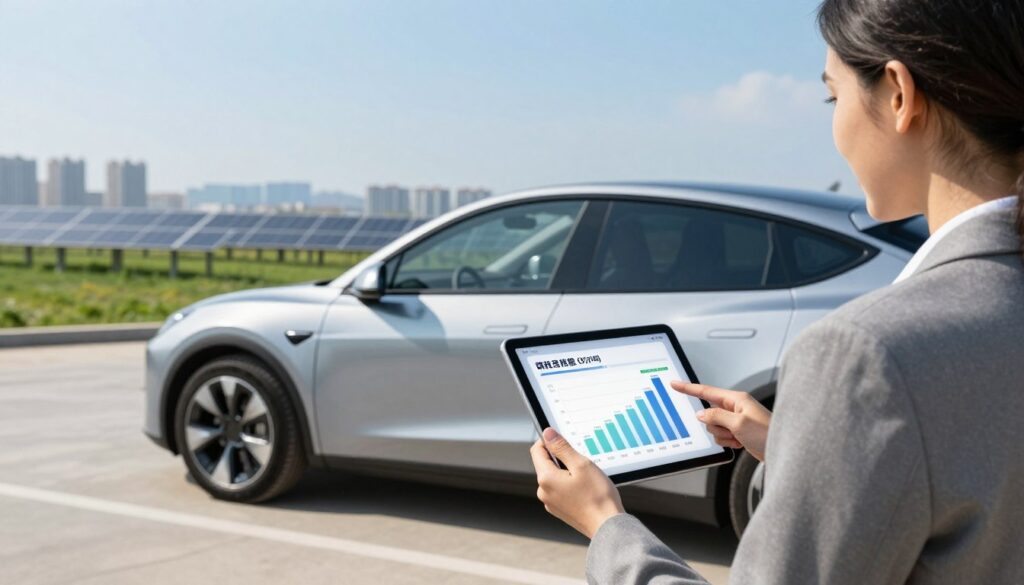
The savings depend on the car we buy. For new cars, the government offers up to $7,500 in credit. But, the car must meet certain standards.
For used cars, the rules are different. We might get a 30% credit of the sale price, up to $4,000. Commercial entities have their own rules, which are not the same as personal credits.
Differences Based on Vehicle Types
Not all electric cars get the same tax help. The EV Tax Credits we can get depend on the battery size and the car type.
For example, fully electric cars usually get the biggest credit. But, plug-in hybrids are also good for those who need more options. If you’re looking, check out the cheapest plug-in hybrid SUVs available now to see if they fit your budget.
Remember, these savings have deadlines. We must make sure our car meets all the current rules to get the full credit.
Steps to Claim the EV Tax Credit
Claiming the EV tax credit is easy if we follow the right steps. We can get an upfront discount or a credit at the end of the year. Knowing our options helps us choose the best financial path when looking at cheapest electric vehicles with all-wheel drive.

Preparing Your Documentation
Getting the time-of-sale report from the dealer is key. This document proves we qualify for the IRS electric vehicle tax credit. It confirms our vehicle meets all the requirements.
We must make sure the dealer sends this report to the IRS online when we buy the car. Without it, we can’t prove our eligibility. Keeping a copy of this document is important. It proves we’re eligible and helps avoid delays.
Filing Process on Your Tax Return
If we don’t get the credit at the time of purchase, we claim it on our tax return. We need to file the right IRS forms to report our purchase. This way, we can use the federal electric vehicle tax credit to lower our tax bill for the year.
The credit is non-refundable, so it can’t give us more than we owe in taxes. If we’re unsure, talking to a tax expert is a good idea. Being organized helps us get the most from our investment.
| Feature | Transfer to Dealer | Annual Tax Return |
|---|---|---|
| Timing of Benefit | Immediate (at purchase) | Following tax season |
| Primary Requirement | Time-of-sale report | IRS tax forms |
| Financial Impact | Reduces upfront cost | Reduces tax liability |
| Complexity | Low (dealer handles) | Moderate (self-filing) |
Necessary Forms and Documentation
When we prepare to claim the electric vehicle tax credit, we need specific forms. Keeping accurate records helps avoid delays or audits. This way, we protect our finances and meet federal rules.
Key IRS Forms We Need
The main form we use is Form 8936, the electric car tax credit form. It helps us figure out the credit amount based on our vehicle and taxes. We must fill it out carefully to avoid mistakes.
The seller also plays a big role. They must send a time-of-sale report to the IRS through the ECO system. Without this, we might not be able to claim the electric vehicle tax credit.
Additional Documentation Required
We also need to keep extra documents. These include our purchase agreement, bill of sale, and proof of payment. They show the transaction date and the vehicle’s ID number, which are key for verification.
“Tax compliance is not just about filling out the right boxes; it is about maintaining a transparent history of every transaction to support your claims with confidence.”
We should keep these records for at least three years after filing. Having them ready helps us answer the IRS quickly. Using the right electric car tax credit form and these documents strengthens our tax case.
| Document Type | Purpose | Responsibility |
|---|---|---|
| Form 8936 | Calculate credit amount | Taxpayer |
| Time-of-Sale Report | Verify vehicle eligibility | Seller/Dealer |
| Purchase Agreement | Proof of ownership | Taxpayer |
| Payment Receipt | Confirm transaction date | Taxpayer |
Timing: When to Claim the Tax Credit
The date we get our new electric vehicle is key for federal savings. The IRS looks at the “placed in service” date to decide which tax year we can claim. This date is when we get the vehicle and start using it for personal trips.

Key Deadlines and Considerations
We need to watch for important dates that affect our money. A big date is September 30, 2025. If we miss this date, claiming the federal tax credit for EV on our taxes can get complicated.
“Financial success is often the result of careful timing and a deep understanding of the rules governing our investments.”
Tax laws can change, and our chance to get the credit might shift. We should check the latest IRS rules to make sure our purchase fits the current rules. This way, we can get the most benefit for our vehicle.
Best Time to Purchase an EV
Choosing the right time to buy an EV is important. If we buy late in the year, we need to make sure we get the vehicle before December 31. Buying early gives us more time and helps avoid missing deadlines.
The table below shows how different times to buy affect our tax credit:
| Purchase Scenario | Tax Year Eligibility | Key Action Required |
|---|---|---|
| Delivery in Q1-Q3 | Current Tax Year | File Form 8936 |
| Delivery in Q4 | Current Tax Year | Ensure registration by Dec 31 |
| Pre-order/Deposit Only | Not Eligible | Wait for final delivery |
| Post-Deadline Purchase | Next Tax Year | Verify updated regulations |
We want to buy at the best time for tax savings. Working with a tax expert helps us use the federal tax credit for EV fully. Planning ahead lets us enjoy our EV while knowing our finances are in order.
Common Mistakes to Avoid
Even the most careful taxpayers can make mistakes when claiming electric vehicle incentives. The federal tax system is complex, and small errors can cause big problems. By knowing these common mistakes, we can avoid delays and ensure a smooth filing process.

Misunderstanding Eligibility Criteria
Many people don’t understand the EV tax credit requirements well enough. Just buying an electric car doesn’t mean you qualify. Your income and where the car was made are also important.
Before buying, check with the dealer about these details. Make sure you meet all the requirements. Check the latest guidance to avoid problems later. Confirming these details early saves a lot of trouble.
Incorrectly Completing Tax Forms
When we file our taxes, accuracy is key. One common mistake is entering the Vehicle Identification Number (VIN) wrong on the electric car tax credit form. Remember, a valid VIN doesn’t have “O,” “Q,” or “I” to avoid mistakes.
Also, make sure the dealer’s time-of-sale report is complete and right. Missing info on this report can lead to denials. Double-check every entry on your tax forms to get the credit you deserve without hassle.
Resources for EV Tax Credit Information
Finding the right info on clean energy incentives can be tough. We know it’s hard to get the latest on the IRS electric vehicle tax credit without help. Official tools make sure our financial plans are up-to-date and follow the rules.

Official IRS Resources and Websites
The IRS has many online tools to help with tax credits. The IRS Energy Credits Online portal is great for checking if your car qualifies. It’s a key place to see if your car gets the federal incentive.
The 30C Tax Credit Eligibility Locator is also very useful. It helps you see if your charging setup gets federal help. These tools are key for getting the most from your IRS electric vehicle tax credit.
Local Government Incentives and Resources
States and cities also offer extra rebates that can save you money. Check out the Alternative Fuels Data Center for info on local programs. It’s a great resource for clean energy info in the U.S.
Using both federal and local help can save you a lot. Make sure to check the rules in your area, as some programs have special rules. Keeping up with these resources helps us make smart choices for our electric cars.
| Resource Name | Primary Function | Best For |
|---|---|---|
| IRS Energy Credits Online | Vehicle Eligibility | New EV Buyers |
| 30C Locator Tool | Charging Infrastructure | Homeowners & Businesses |
| Alternative Fuels Data Center | State & Local Laws | Comprehensive Research |
Future of EV Tax Credits
The future of clean vehicle policy is always changing. We need to keep up with these changes to know how they affect our buying power. The One, Big, Beautiful Bill has changed the game for tax incentives for electric vehicles.
Now, we’re moving from simple rebates to a bigger plan. This plan focuses on making cars in the U.S. and building better roads and charging stations.
Proposed Changes and Their Implications
Lawmakers are making new rules. These rules will make sure batteries and cars are made in the U.S. This helps our economy and makes sure electric vehicle tax credit eligibility is fair.
We think future updates will make cars meet certain production standards. This will help the U.S. economy grow.
“The transition to electric mobility is a marathon, not a sprint, and our policy framework must evolve to support the infrastructure that makes this journey possible for every driver.”
Trends in Electric Vehicle Incentives
Now, there’s more focus on charging stations than just buying electric cars. For example, the Alternative Fuel Vehicle Refueling Property Tax Credit helps homeowners with charging stations until July 1, 2026. This shows a strategic move toward making electric cars more common.
The next few years will be about how well these tax incentives for electric vehicles work with local grid improvements. By improving both cars and charging stations, the government is making a greener future. Keeping up with these trends helps us get ready for the next big step in clean energy.
Conclusion: Maximizing Our Benefits from EV Tax Credits
Getting to sustainable transportation needs careful planning and timing. By keeping up with the federal electric vehicle tax credit rules, we can save a lot of money. Buying a qualifying vehicle before the deadline helps us get these benefits.
Essential Steps for Success
We need to document everything accurately and file on time to get our benefits. Working with registered sellers ensures our vehicle meets IRS standards. Keeping records of our purchase and payment dates helps prove our claims during tax season.
Driving the Future of Transportation
These incentives push us toward cleaner energy solutions in the U.S. By choosing electric vehicles, we help make our roads greener and save money. We urge everyone to use these resources to make electric vehicles affordable and rewarding. Our actions today help create a greener future for driving.
FAQ
What is the primary federal electric vehicle tax credit available for new cars?
The New Clean Vehicle Credit offers up to ,500 for qualifying new vehicles. They must meet IRS standards for battery sourcing and assembly.
Does a used Tesla or Chevrolet qualify for a federal tax credit for EV?
Yes, the Previously Owned Clean Vehicle Credit allows up to ,000 or 30% of the sale price for used EVs. The vehicle must be at least two years old and cost ,000 or less.
Which electric car tax credit form must we file with the IRS?
We must complete IRS Form 8936 (Clean Vehicle Credits) to claim our credit when filing our tax return.
How do we verify electric vehicle tax credit eligibility for a specific model?
Check the official list on the IRS website or use the IRS Energy Credits Online portal. This confirms if a specific make and model, like the Ford Mustang Mach-E, qualifies.
What is the significance of the September 30, 2025, deadline?
This deadline is critical for vehicle acquisitions under current laws. We must have the vehicle in our possession by this date to qualify for the EV tax credit.
Can we receive the tax incentives for electric vehicles at the time of purchase?
Yes, we can transfer the credit to a registered dealer at purchase. This reduces the vehicle’s price immediately, without waiting for a tax refund.
Are there income limits to claim electric vehicle tax credit benefits?
Yes, our modified adjusted gross income (MAGI) must be below 0,000 for married couples filing jointly, 5,000 for heads of households, or 0,000 for all other filers.
What is the 30C Tax Credit Eligibility Locator used for?
This tool helps us determine if our home or business is in an eligible census tract. It’s for claiming the Alternative Fuel Vehicle Refueling Property Tax Credit for installing charging equipment.

Hi! I’m Moheen Iftikhar, the person behind «CarCruisei». I’m deeply interested in the automotive world, from new car trends and advanced vehicle technology to useful driving advice. On this platform, I publish informative car reviews, expert insights, and practical tips to keep every car enthusiast informed and inspired.