



Top Rated Car Tires: Best All-Season Tires for Snow and Rain Driving
Finding the right tires is a big deal for car owners. Whether you need a reliable SUV or a daily driver, your safety depends on tire grip. We dive into the market to help you find the Top Rated Car Tires.
The Pirelli Cinturato WeatherActive stands out in recent tests. It’s a top choice for all kinds of weather. We aim to guide you to the Best all season tires for safe driving.
When it’s snowy or rainy, we’ve got you covered. We look at tough tests to make sure you’re safe all year. Let us help you choose tires that are durable, comfy, and handle well.
Key Takeaways
- The Pirelli Cinturato WeatherActive currently leads in recent performance testing.
- Choosing the right rubber is essential for maintaining vehicle safety in harsh weather.
- We focus on products that offer superior grip during wet and wintry conditions.
- Our analysis simplifies the process of finding high-quality equipment for your vehicle.
- Reliable performance ensures driver confidence regardless of the changing climate.
Understanding All-Season Tires
Many drivers mix up standard all-season tires with top all weather tires. Both aim for versatility but serve different needs based on your climate and driving style.
What Are All-Season Tires?
All-season tires are made to work well on many road types. They have a special tread for dry roads, light rain, and some snow.
They use a rubber that stays flexible in mild temperatures. This makes them a reliable choice for those with mild seasonal changes, not extreme winter.
Benefits of All-Season Tires
These tires are convenient. By picking Top Rated Car Tires in this category, you skip the trouble and cost of changing tires twice a year.
- Cost-effective: Saves money by needing fewer tires.
- Longevity: Often comes with longer tread life warranties.
- Versatility: Handles different road types during daily drives.
When to Use All-Season Tires?
Use all-season tires in temperate climates. But, for harsh winters, choose top all weather tires with the 3PMSF badge.
This badge means the tire meets snow traction standards. Knowing this helps us pick the safest tires for our driving area.
| Tire Type | Best For | Winter Capability |
|---|---|---|
| Standard All-Season | Mild climates | Limited |
| All-Weather | Variable climates | Certified (3PMSF) |
| Summer Tires | Hot, dry roads | None |
Key Features of Top-Rated All-Season Tires
When we look at the best all season tires, we see the engineering that makes them versatile. They are made to handle many road conditions, from dry to light snow. Knowing these technical features helps you choose the right tire for your car.
Tread Design
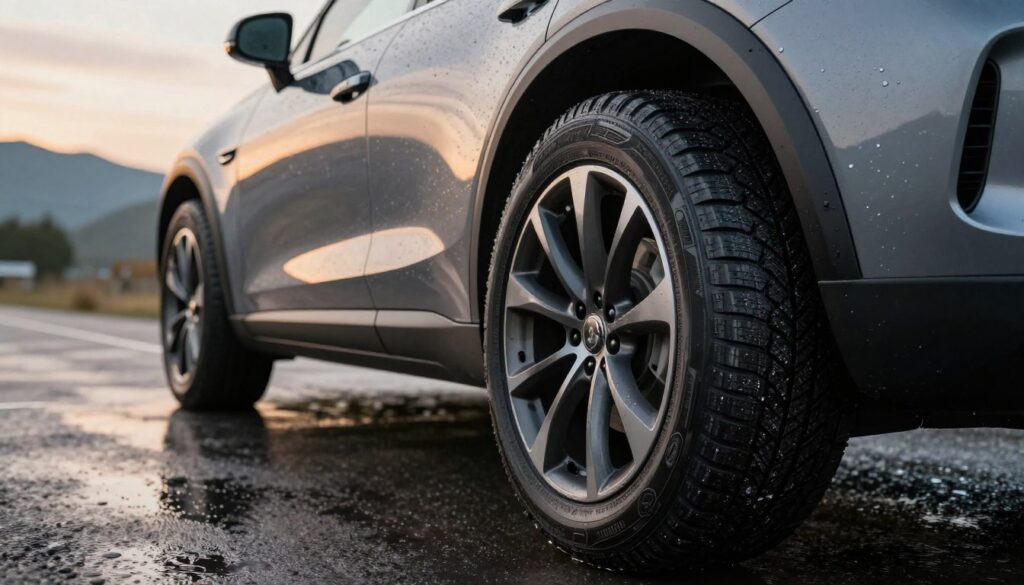
The tread pattern is key for your car’s grip on the road. Tires have siping, small slits, for better traction. This is vital for control in rain or light snow.
- Deep grooves to channel water away from the contact patch.
- Variable pitch sequences to reduce road noise.
- Reinforced shoulder blocks for improved cornering stability.
Rubber Composition
The secret to a great tire is its rubber. Engineers mix silica and polymers for flexibility in cold and firmness in heat. A tire comparison shows that top brands spend a lot on these compounds for long life.
| Feature | Benefit | Performance Impact |
|---|---|---|
| Silica Infusion | Wet Grip | High |
| Polymer Blends | Durability | High |
| Carbon Black | Heat Resistance | Medium |
Temperature Adaptability
Testing is key to ensure tires perform well in all climates. Our tire comparison looks at how tires handle turns, braking, and steering. These tests show that the best all season tires are reliable in any weather.
If you have questions about the right tire for you, contact our experts. We’re here to help you find the safest tires for your daily drive.
Best All-Season Tires for Rainy Conditions
When it rains, the right tires are key for safe driving. Snow and rain driving are tough, but the right tires can help. We’ve looked at tire ratings to find the best for staying on the road.

Michelin CrossClimate2 Performance
The Michelin CrossClimate2 shines in wet tests. Its V-shaped tread pushes water away. This keeps drivers in control, even in heavy rain.
Continental ExtremeContact DWS06 Plus
The Continental ExtremeContact DWS06 Plus is a top pick for wet roads. It has special grooves to fight hydroplaning. It’s a solid choice for staying stable in bad weather.
Goodyear Assurance WeatherReady
The Goodyear Assurance WeatherReady uses special rubber that stays flexible. This helps stop quickly on wet roads. Its performance stays strong as the tread wears down.
| Tire Model | Wet Braking | Hydroplaning Resistance | Overall Rating |
|---|---|---|---|
| Michelin CrossClimate2 | Excellent | Superior | 9.8/10 |
| Continental DWS06 Plus | Very Good | Excellent | 9.5/10 |
| Goodyear WeatherReady | Good | Very Good | 9.2/10 |
Best All-Season Tires for Snowy Conditions
When it gets cold and snow falls, picking the right tires is key. You need tires that help you stay in control on icy roads. Our Tire reviews show you which tires are best for snowy days.
Bridgestone WeatherPeak Performance
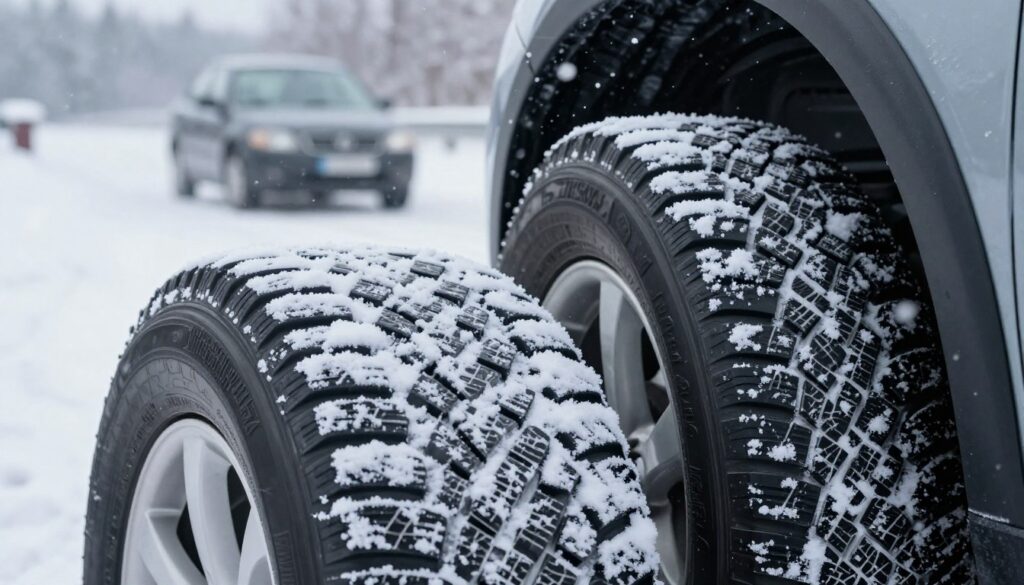
The Bridgestone WeatherPeak is a top choice in our tests. It leads in snow acceleration, helping cars move fast without slipping. It also handles well in snow, showing exceptional handling and stability.
These Winter driving tires use special rubber that stays flexible in cold. This keeps the tire in touch with the road, even on ice. We think it’s a great pick for snowy areas.
Alternative Winter-Ready Options
Other tires also do well in snow, depending on your car and where you live. It’s important to check the tread depth and design.
For driving in snow or rain, the right tires are a must. Our tests show that all-season tires have improved a lot. Look for tires with the Three-Peak Mountain Snowflake symbol for the best cold-weather performance.
Performance in Different Weather Conditions
When we check tire performance, we focus on how they handle wet roads and icy paths. Every driver needs to know their tire’s limits to stay safe during weather changes.
A detailed Tire comparison shows that not all tires are the same. Some do well in mild weather, while others are made for extreme temperatures and moisture.

Rainy Weather Performance
Good performance in the rain depends on a tire’s ability to clear water. High performance tires have special tread patterns to keep you from hydroplaning. They push water away from the center.
These tires keep a firm grip on wet roads, helping you stop faster. Always check your tire’s tread depth, as worn tires can’t grip well in heavy rain.
Snowy Weather Performance
Driving in snow needs special tires. It’s important to know that Winter driving tires stop much shorter than all-weather tires in snow.
This big difference in stopping power can save you from accidents. When picking Winter driving tires, look for those with deep sipes. They help your car grip packed snow better.
Your choice should match your area’s winter weather. If you get a lot of heavy snow, specialized tires are usually the best for your car.
Top Brands for All-Season Tires
Choosing top-tier brands means our cars get the best from years of hard work and testing. We look for makers known for reliability and safety. Picking a trusted brand is key to getting the best tires for our daily drives.
Pirelli Overview
Pirelli leads with advanced tread tech. Their WeatherActive series stands out with a V-formation tread. This pattern helps clear water, making them top picks for rainy areas.
Michelin Overview
Michelin is known for lasting performance in all temps. Their tires offer a smooth ride and good grip. Their team works on rubber that stays flexible in any weather, giving a balanced drive.
Goodyear Overview
Goodyear is famous for durability and new tire designs. Their tires are often the best because they handle heavy loads and rough roads well. We count on them for traction in any weather.
| Brand | Primary Strength | Best For |
|---|---|---|
| Pirelli | Tread Pattern Innovation | Wet Weather Traction |
| Michelin | Longevity and Comfort | All-Season Versatility |
| Goodyear | Durability and Strength | Heavy-Duty Performance |
How to Choose the Right All-Season Tire
Choosing the right equipment starts with knowing your driving needs. Before looking for the best all season tires, think about your driving environment and vehicle needs.
Assessing Your Needs
Do you often drive in heavy rain, light snow, or dry conditions? Your location in the United States affects the traction you need.
Remember, safety has a time limit. Even with good tread, tires should be replaced after six years to stay safe and reliable.

“The right tire is the most important link between your vehicle and the road, acting as the primary safety feature in every driving condition.”
Comparing Tire Ratings
When searching, you’ll see tire ratings that show how tires perform. Look at these scores to find tires that meet your safety needs.
Check out the best all-weather tires to compare them. Choosing best rated tires means you get long-lasting and safe tires.
| Feature | Standard All-Season | Performance All-Season |
|---|---|---|
| Tread Life | High | Moderate |
| Wet Traction | Good | Excellent |
| Price Point | Budget-Friendly | Premium |
| Snow Capability | Light | Moderate |
The best rated tires meet your budget and safety needs. Make sure the tire ratings match your local climate.
Tire Maintenance Tips for All-Season Tires
We believe that consistent care is key for a reliable drive all year. Proper maintenance helps your equipment last longer and your vehicle run smoothly.
Being proactive helps avoid common problems that can wear out your tires too soon. Whether you’re searching for the best car tires for all-season driving, keeping them in good shape is vital for your safety.
Regular Inspections
Do a visual check of your tires every month. Look for uneven wear, cracks, or debris like stones and nails.
Spotting these issues early can prevent dangerous blowouts. If you see something odd, get a professional to check the tire’s structure right away.
Proper Inflation Practices
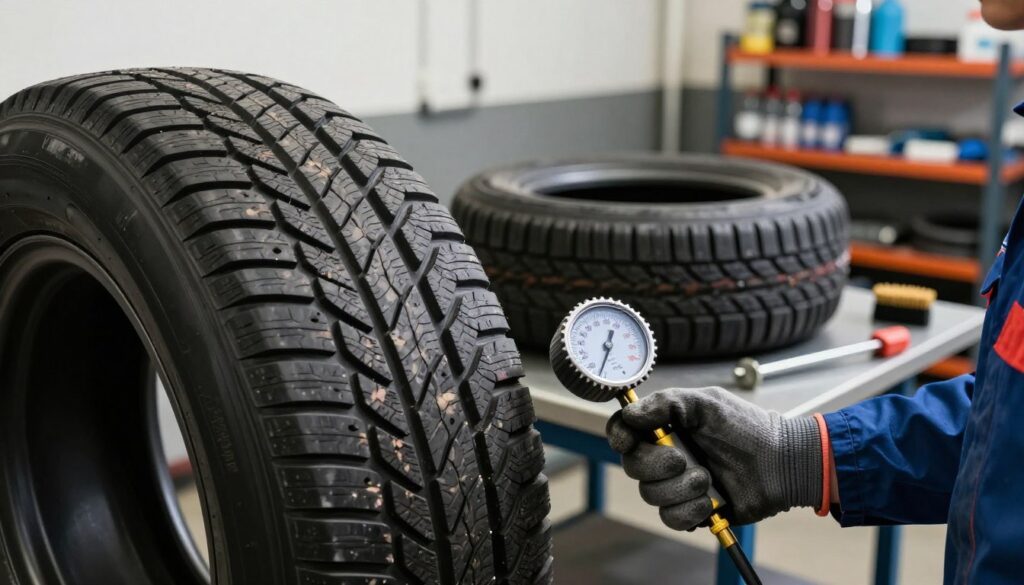
Keeping the right air pressure is key for tire health. Under-inflated tires get too hot, which can cause them to degrade fast and waste fuel.
Check the pressure when the tires are cold for an accurate reading. Always use the manufacturer’s recommended PSI, found on the driver-side door jamb sticker, not the number on the tire.
Tread Depth Monitoring
Checking tread depth is important, more so when getting ready for Winter driving tires. Use a penny test or a gauge to make sure it’s above the legal limit.
Remember, directional tires should be rotated only back to front, not side to side. This keeps them evenly worn.
| Maintenance Task | Frequency | Purpose |
|---|---|---|
| Visual Inspection | Monthly | Identify damage |
| Pressure Check | Bi-weekly | Optimize efficiency |
| Tire Rotation | Every 6k miles | Even wear patterns |
| Tire comparison | Annually | Assess replacement needs |
Customer Reviews and Ratings
We think that what people say is key to finding good tires. Lab tests show safety, but real-world use shows how tires really perform. This helps us see how high performance tires do on American roads every day.
Importance of Customer Feedback
Lab tests can’t fully show how tires work in real life. Tire reviews help us spot trends and problems that tests might miss. This helps us find tires that work well in real life, not just on paper.
We trust tire ratings from other drivers to help choose tires for our cars. Drivers who’ve driven a lot in different weather tell us what really works. Their stories help us make sure our advice is based on real experience, not just what makers say.
Summary of Top Reviews
We mix what people say with what experts think to give a fair view of tires. We look for patterns in feedback to find tires that are safe and last long.
The table below shows what we check when looking at high performance tires:
| Evaluation Metric | Consumer Focus | Professional Focus |
|---|---|---|
| Wet Traction | Hydroplaning resistance | Stopping distance data |
| Snow Handling | Confidence in slush | Traction coefficient |
| Tread Life | Actual mileage achieved | Wear pattern analysis |
By looking at these tire ratings carefully, we can suggest tires that meet both needs. Keep reading tire reviews to find the best tires for you. Our goal is to help you get the performance you want.
Conclusion: Finding the Perfect All-Season Tire
Choosing the right tire for your car is all about finding a balance. All-weather tires offer about 75% of the winter grip of snow tires. They are a great choice for those who deal with changing weather.
Check out different all-weather tires to see what fits your local weather best. The Michelin CrossClimate 2 and the Toyo Celsius 2 are good choices for year-round driving.
Summary of Performance Priorities
Look for 3PMSF certification to ensure your car grips well in cold or snowy conditions. These tires offer a mix of summer speed and winter safety. This helps you find the best tires for your daily drive.
Final Guidance for Drivers
When it comes to tires, safety is key. Keep an eye on your tire’s tread and air pressure to get the most out of your tires. Good tires mean safer rides, whether it’s wet or dry outside.
Customer Reviews and Ratings
What Are All-Season Tires?
All-season tires are made to work well in both dry and wet conditions. Recently, a new type called Top all weather tires has come out. These, like the Pirelli Cinturato WeatherActive, are designed to handle snow and rain better than regular all-season tires.
Benefits of All-Season Tires
All-season tires are great because they can handle different weather without needing to be changed often. They are made to stay flexible in various temperatures. This means they are safe in both hot summer days and cold autumn nights.
When to Use All-Season Tires?
Use these tires if you live in a place with changing weather but not extreme cold. They are perfect for daily driving in unpredictable weather. If your area has rain, light snow, and dry days, these tires are a good choice.
Tread Design
The design of the tire’s tread is very important. Tires like the Pirelli have a special pattern to get rid of water and slush. This helps the tire stay in contact with the road, making it safer to drive.
Rubber Composition
The rubber in tires is key to their performance. We look for special polymers and silica that keep the tire flexible in cold weather. This helps the tire grip the road better, making it safer to stop and turn.
Temperature Adaptability
Good tires can handle different temperatures well. Modern tires can work from very cold to very hot without losing grip. This is what makes them better than cheaper tires that can get slippery in cold weather.
Michelin CrossClimate2 Review
The Michelin CrossClimate2 is the best for rainy weather. It handles deep water and slippery roads better than any other tire. It’s the safest choice for heavy rain.
Pirelli Cinturato WeatherActive Review
The Pirelli Cinturato WeatherActive is also great for rainy weather. Its design helps get rid of water. It feels solid and safe on wet roads.
Bridgestone WeatherPeak Review
The Bridgestone WeatherPeak is good for both rain and snow. It’s very good at stopping on wet streets. It’s a reliable choice for rainy days.
Bridgestone WeatherPeak Review
The Bridgestone WeatherPeak is the best for snow. It accelerates well in snow and handles snowy roads well. It’s a top choice for winter driving.
Pirelli Cinturato WeatherActive Review
The Pirelli Cinturato WeatherActive is also great for snow. Its design traps snow, helping it grip the road. It’s perfect for snowy hills and streets.
Rainy Weather Performance
The best tires for rain have special grooves to get rid of water. They help the tire stay in contact with the road. This makes driving safer in rainy weather.
Snowy Weather Performance
Winter tires are made for snow, not speed. Even the best all-season tires stop longer in snow than winter tires. But, if they’re 3PMSF certified, they’re a good choice for most drivers.
Pirelli Overview
Pirelli is known for its high-quality tires. Their WeatherActive series is a top choice for SUVs and sedans. It offers great performance and durability.
Michelin Overview
Michelin is famous for its long-lasting tires. Their CrossClimate series is a game-changer for all-season tires. It’s known for its innovative design and grip.
Bridgestone Overview
Bridgestone focuses on tires that work well in snow and rain. Their WeatherPeak line is a top pick for drivers who face snow and rain. It’s quiet and efficient on dry roads.
Assessing Your Needs
Look at your local weather patterns to choose the right tire. Do you get a lot of black ice or standing water? This will help you decide between tires like the Michelin CrossClimate2 for rain or the Bridgestone WeatherPeak for snow.
Comparing Tire Ratings
We compare tires based on many factors, like how well they turn and stop. This helps us find the best tires that are safe and durable. We look beyond marketing to find the truth.
Regular Inspections
Check your tires every month for uneven wear. Uneven wear can mean alignment problems. Keeping your tires in good shape is the best way to stay safe on the road.
Proper Inflation Practices
Temperature changes affect tire pressure. Check your pressure more often in winter. Under-inflated tires waste fuel and affect handling.
Tread Depth Monitoring
Tread depth is key for snow traction. Use a gauge to check depth before winter. Remember, tires should be replaced after six years, even if they look fine.
Importance of Customer Feedback
We value real-world tire reviews as much as lab tests. These stories give us insights into how tires perform over time. They tell us about road noise and comfort that lab tests might miss.
Summary of Top Reviews
Our analysis shows Pirelli and Michelin tires are very popular. Drivers love the Pirelli Cinturato WeatherActive for its solid feel on wet roads. It gives them confidence in unpredictable weather.

Hi! I’m Moheen Iftikhar, the person behind «CarCruisei». I’m deeply interested in the automotive world, from new car trends and advanced vehicle technology to useful driving advice. On this platform, I publish informative car reviews, expert insights, and practical tips to keep every car enthusiast informed and inspired.


