

Car Shaking Troubleshoot: Why is My Car Shaking When I Accelerate Past 60mph?
Driving should be smooth and relaxing. But, when your car vibrates at high speeds, it’s a sign of trouble. If you’re wondering, Car Shaking Troubleshoot Why is my car shaking when I accelerate past 60mph, you’re not alone.
These signs are not just minor issues. They often point to serious problems that need quick attention. Ignoring them can cause more damage or even make driving unsafe.
Preventive care is key to keeping your car running well. Sometimes, strange noises or vibrations can mean you need a brake pad replacement if you hear squeaking. We aim to guide you in finding the cause of car shaking at high speeds so you can drive confidently again.
Key Takeaways
- High-speed vibrations are often linked to tire imbalance or suspension wear.
- Ignoring mechanical symptoms can lead to expensive repairs later.
- Safety should always be the top priority when handling vehicle performance issues.
- Regular inspections help maintain the overall health of your transportation.
- Professional diagnostics are recommended if the vibration persists after basic checks.
Understanding the Causes of Car Shaking
Many drivers face the frustration of a shaking vehicle. But knowing the cause is key to fixing it. When your car shakes, it’s not just a small problem. It usually means a part needs fixing right away to avoid more damage.
We think keeping your car in good shape is important for your safety. Finding and fixing problems early can save you money and keep your car running well for a long time.
Common Mechanical Issues
Worn-out engine mounts are a common reason for a shaking car. These parts help absorb engine vibrations. If they wear out, the engine’s movement shakes the car.
A damaged driveshaft or CV joint can also cause problems. When these parts are bent or worn, they can’t move power to the wheels well. This leads to a vibration that gets worse as you go faster.
Tire Problems
Unbalanced tires are a big reason for a car shaking when you accelerate. Uneven tires wobble at high speeds, making the steering wheel shake. This imbalance also stresses your suspension system.
“A vehicle is a complex machine where every part relies on the balance of the others. Ignoring a small vibration today often leads to a major mechanical failure tomorrow.”
Uneven tread wear can also cause instability. Tires with flat spots or uneven wear don’t grip the road well. This makes your car feel jittery, most noticeable at high speeds.
Brake Issues
If your car shakes when you brake, it’s likely a brake problem. Warped brake rotors are usually the cause. When brake pads press on an uneven surface, it creates a pulsing feeling.
Stuck calipers can also cause this problem. They make the brakes drag, leading to heat and uneven wear. Keeping your brakes in good shape is key for safety and performance.
| Symptom | Potential Cause | Severity |
|---|---|---|
| Shake at high speed | Unbalanced Tires | Moderate |
| Shake during braking | Warped Rotors | High |
| Vibration at idle | Worn Engine Mounts | Low |
| Shake during acceleration | CV Joint Failure | Critical |
The Role of Wheel Alignment
If your car shakes over 60mph, it might be due to wheel alignment issues. Proper alignment is key for good handling and stability. When it’s off, driving at high speeds can feel shaky and uncomfortable.

Signs of Poor Wheel Alignment
One sign of misalignment is if your car pulls to one side. You might also see your steering wheel is not straight when driving straight. Ignoring these signs can lead to uneven tire wear and more shaking at high speeds.
If your car shakes over 60mph, it means your suspension is struggling. This vibration is a warning that your vehicle’s geometry is off. Fixing it early can save you from costly repairs later.
How to Check Alignment
You can check tire wear visually to spot irregular patterns. If the inner or outer edges wear faster, it’s time for a shop visit. Also, check your transmission fluid level during routine maintenance, like checking transmission fluid level.
Correct alignment is vital for vehicle safety. If your car shakes over 60mph, get a professional alignment. A technician can use laser tools to align your wheels correctly, ensuring a smooth ride.
Importance of Tire Condition
Your tires connect your car to the road, making their condition key for a smooth ride. When we look into car shaking causes, tires are often the first thing we check. Ignoring them can cause vibrations that get worse at high speeds.
Tread Wear and Its Effects
Uneven tread wear often causes steering wheel tremors and cabin vibrations. When tires wear down unevenly, they lose their shape. This disrupts the wheel balance, making the suspension work harder and causing a shudder at speeds over 60mph.
Structural damage like bubbles, bulges, or separated belts can also cause severe shaking. If your car pulls or vibrates, check your tire pressure and look for any visible damage. Ignoring these signs can lead to bigger mechanical failures.
“A vehicle is only as stable as the tires that carry it; regular inspection is the hallmark of a responsible driver.”
Balancing vs. Alignment
Many drivers mix up tire balancing and wheel alignment, but they fix different car shaking causes. Knowing the difference can save you time and money at the repair shop. Here’s a quick guide to help you figure out what your car needs:
- Tire Balancing: This fixes the weight of the tire and wheel. If your car shakes at certain speeds, it’s likely out of balance.
- Wheel Alignment: This adjusts the wheel angles so they’re right. If your car pulls to one side, it’s probably out of alignment.
By taking care of your tires, you can avoid many car shaking causes. Regular maintenance keeps your commute safe, quiet, and comfortable for everyone.
Engine Performance and Shaking
Sometimes, your car’s vibration comes from deep inside the engine, not the wheels. Many drivers first check their tires. But, a car vibration acceleration issue often comes from inside the engine. It’s key to tell if the problem is with the engine or the car’s body.
Misfiring Cylinders
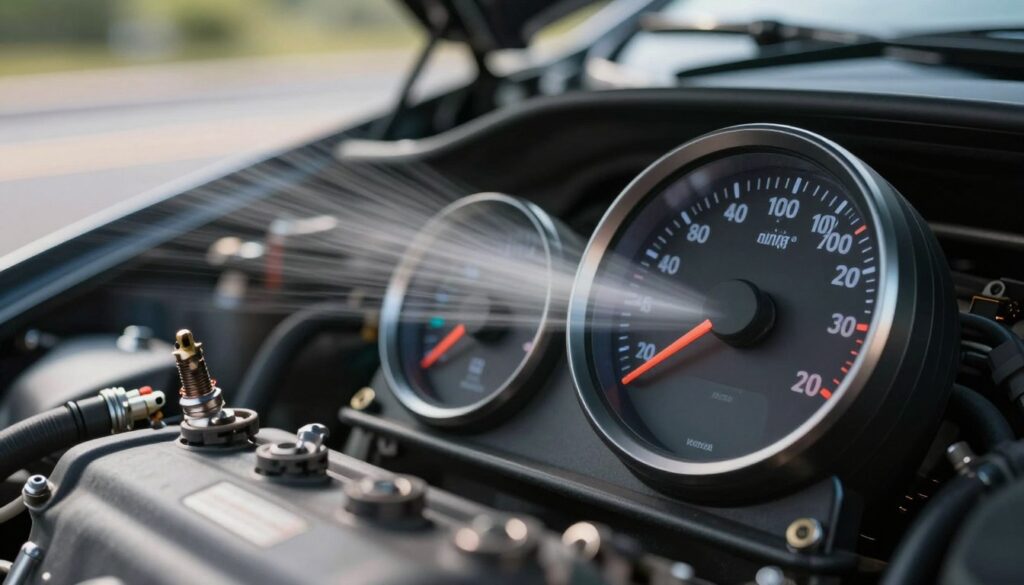
A common cause of engine shaking is a misfiring cylinder. When spark plugs or ignition wires don’t work right, the engine can’t burn fuel evenly. This leads to an uneven power delivery and a noticeable shudder when you need more power.
Fuel System Problems
Your engine needs the right mix of air and fuel to run smoothly. If the fuel pump or injectors aren’t working, the engine may struggle to get enough fuel. This can cause a car vibration acceleration feeling as the engine stutters to keep up with speed.
Exhaust Issues
Problems with the exhaust system can also make your car move unexpectedly. A clogged catalytic converter or a damaged exhaust pipe can make it hard for the engine to breathe. This can cause the engine to vibrate, showing you need to get it checked by a pro to avoid more damage.
Suspension Problems That Cause Shaking
When your car vibrating when accelerating, it’s often due to suspension issues. This system connects your tires to the frame. It’s designed to handle road shocks and keep your car stable.
Worn-out suspension parts can make your ride feel unstable. This can affect your comfort and safety while driving.

Symptoms of Suspension Issues
Spotting suspension problems early can save you money. Look out for these signs that your car needs a check-up:
- Excessive bouncing after hitting a bump or pothole.
- A noticeable car vibrating when accelerating, specially at high speeds.
- Uneven tire wear patterns across the tread.
- The vehicle pulling to one side while driving on a flat surface.
Importance of Regular Inspections
Regular check-ups are key to keeping your suspension in good shape. Bushings, struts, and bearings face constant stress. Catching small wear early can prevent bigger problems.
A well-maintained suspension ensures your car is responsive and stable. It gets rid of the car vibrating when accelerating issue. This gives you the smooth ride you expect.
Steering Issues and Their Impact
Having a responsive steering system is key for controlling your vehicle, like when it shakes at high. Your steering connects your hands to the road, making every turn precise and safe. Wear and tear on this system can cause a car vibration acceleration that makes driving feel unstable at high speeds.
Signs Your Steering Should Be Checked
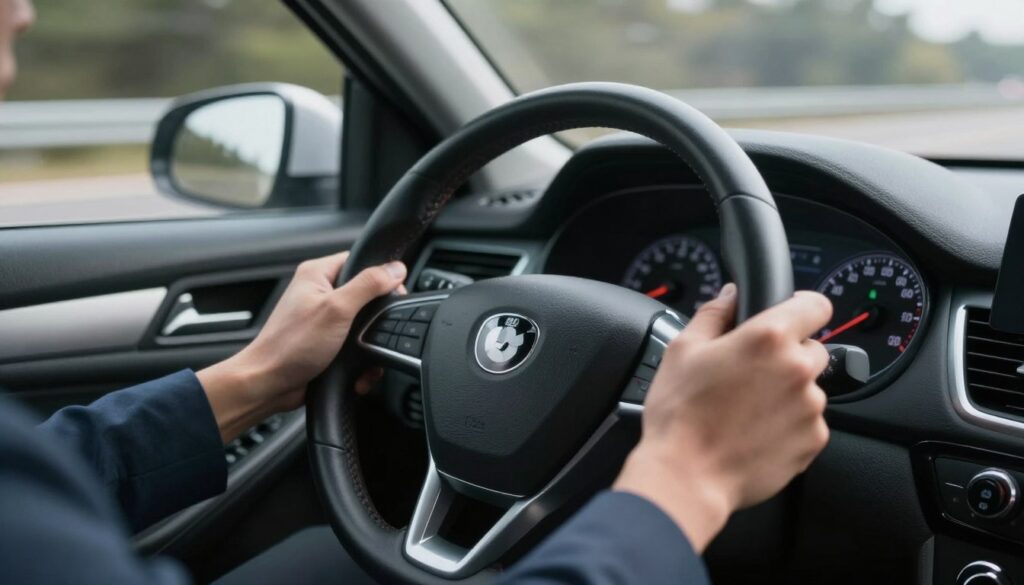
A common sign of steering trouble is a noticeable looseness or “play” in the steering wheel. If you often have to adjust your path to stay straight, your steering might be off. This can make you feel disconnected from the road.
A rhythmic vibration in your hands while driving is another warning. If this gets worse as you go faster, it means something is failing. Ignoring these signs can cause you to lose control suddenly. That’s why getting a professional to check it is so important for your safety.
Steering System Components
The steering system has many parts that must work together to keep your vehicle stable. Key parts include the rack and pinion, tie rod ends, and bushings that soak up road shock. When these parts wear out or get damaged, they can’t keep the wheels in the right spot.
A bent axle or failing steering linkage often shows up as a car vibration acceleration problem. We suggest checking these parts during every routine maintenance visit. Proactive care helps avoid expensive fixes and keeps your vehicle running well.
When to Seek Professional Help
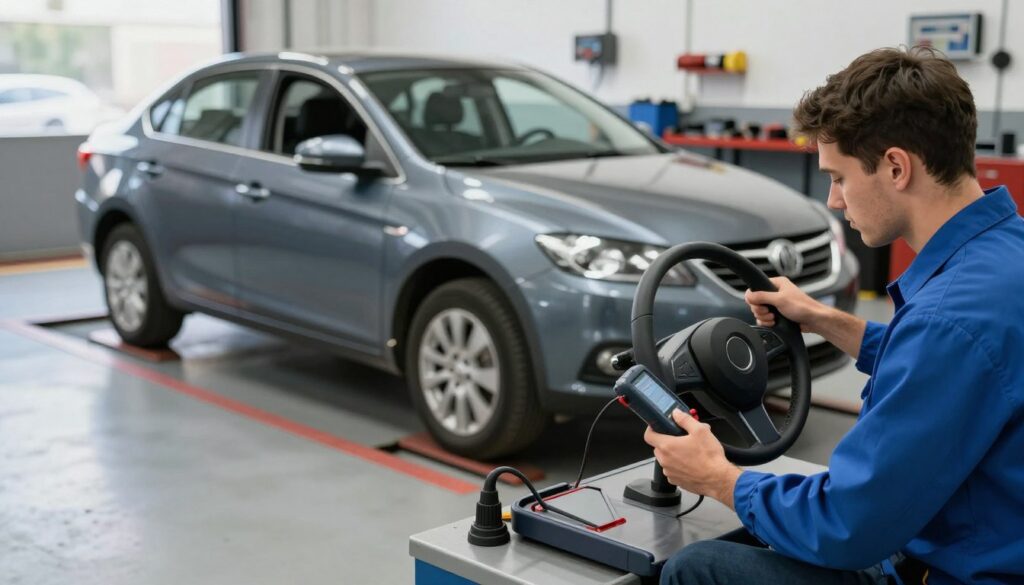
Knowing when you can’t fix a problem yourself is key. If your car shakes a little, you might be able to handle it. But, serious issues need the tools and knowledge of a certified repair shop.
Trying to fix a big problem without the right tools can cause more harm. If your first attempts don’t work, it’s time to get help from an expert.
Signs You Can’t Ignore
Some signs mean your car needs help right away. Loose or damaged lug nuts can make your car shake and even cause a wheel to fall off.
Steering wheel wobble or a thumping sound are serious signs. Learn about the top 10 causes of car shaking to know when it’s too much for you to handle.
Finding a Reliable Mechanic
Finding a good mechanic is important for a correct car shaking diagnosis. Look for shops with clear estimates and good reviews for suspension and drivetrain work.
A professional will do a detailed Car Shaking Troubleshoot to find the real problem. They use special tools to make sure your car is safe and smooth again.
| Issue Type | DIY Feasibility | Professional Required |
|---|---|---|
| Low Tire Pressure | High | No |
| Wheel Balancing | Low | Yes |
| Loose Lug Nuts | Medium | Yes |
| Suspension Failure | Very Low | Yes |
Preventive Measures to Stop Shaking
To stop a car shakes over 60mph problem, keep up with regular maintenance. It’s all about staying ahead of car troubles. Use a logbook to track your car’s health and catch issues early.

Regular Maintenance Tips
Regular checks are essential for your car’s life. Make sure to check fluids, suspension, and steering twice a year. If your car shakes over 60mph, it might mean a part needs replacing.
Keeping a maintenance log is a simple but effective habit. It helps you remember when parts were last changed. Consistency is key for a smooth drive on the highway.
Keeping Tires in Top Condition
Your tires are the only thing touching the road. Regular checks and balancing can stop the shaking at high speeds. Rotate your tires every 5,000 to 7,000 miles for even wear.
Proper tire pressure is also critical. Under-inflated tires can cause uneven heat, leading to damage. Keeping an eye on your tire health can prevent car shakes over 60mph issues.
| Maintenance Task | Frequency | Benefit |
|---|---|---|
| Tire Rotation | Every 6,000 Miles | Even Tread Wear |
| Wheel Balancing | Every 10,000 Miles | Eliminates Vibration |
| Alignment Check | Annually | Steering Precision |
| Suspension Inspection | Every 15,000 Miles | Safety & Comfort |
Conclusion: Safety and Performance Focus
Keeping your car smooth is more than just comfort. It shows your car is in good shape and safe to drive. Ignoring shakes can lead to costly fixes or even danger on the road.
Doing a detailed car shaking diagnosis helps catch small problems before they get big. We suggest keeping up with your car’s maintenance to save money and keep it safe.
Deciding Between DIY and Professional Repair
Simple tasks like checking tire pressure or tightening lug nuts are easy for many to do. These steps can fix small shakes without needing special tools.
But, for complex issues like suspension or engine problems, you need a pro. A professional shop can give you a correct diagnosis and safe repairs.
The Value of a Smooth Driving Experience
A well-kept car means peace of mind every time you drive. You should enjoy driving without worries or stress.
Regular checks keep your car running great for years. We hope this helps you take care of your car and enjoy driving with confidence.
FAQ
Why is my car vibrating when accelerating at highway speeds?
It’s usually because of an unbalanced tire or worn-out CV joint. When you speed up, the imbalance gets worse, causing the car to vibrate.
Could a car shaking diagnosis reveal an engine problem instead of a tire issue?
Yes. If the shaking comes with a flashing check engine light or happens at specific RPMs, it might be a spark plug or fuel issue, not the tires.
Why does my car shakes over 60mph but feels smooth at lower speeds?
Most tire imbalances have a “resonant frequency.” At low speeds, the vibration is too small to feel. But at 60mph, the wheel spins fast enough to cause a strong shake.
Can worn brakes cause the car shaking at high speeds even if I’m not braking?
Yes, in some cases. A sticking brake caliper can warp the rotor or cause constant drag, leading to a high-speed shudder. This is a serious problem that needs quick attention.
Is it safe to drive if I feel a car shaking at high speeds?
No, it’s not safe. Shaking can damage parts like wheel bearings and steering linkages. It’s best to fix the problem before driving long distances.

Hi! I’m Moheen Iftikhar, the person behind «CarCruisei». I’m deeply interested in the automotive world, from new car trends and advanced vehicle technology to useful driving advice. On this platform, I publish informative car reviews, expert insights, and practical tips to keep every car enthusiast informed and inspired.