

EV Winter Range: How Cold Weather Affects Electric Car Battery Life
Switching to electric cars is good for the planet, but it changes how we drive in cold weather. When it gets below 40° F, your EV winter range starts to go down. This happens because the battery’s chemical reactions slow down a lot in the cold.
Knowing how cold weather electric car battery life works is key for drivers in the U.S. When it’s chilly, your car has to work harder to stay warm. This makes it less efficient, even before it gets really cold.
If you’re looking for a best electric crossover for winter driving, you’re on the right track. We want to help you understand how to handle the cold weather. By learning these tips, you’ll keep your car running smoothly all year round.
Key Takeaways
- Efficiency starts to drop at 40° F due to internal chemical resistance.
- Preconditioning your vehicle while plugged in saves energy for your trip.
- Using seat heaters is more efficient than the main cabin climate system.
- Keeping your tires at the right pressure is key for long distances in the cold.
- Modern thermal management systems help reduce power loss.
The Basics of Electric Vehicle Batteries
Learning about battery technology is key to understanding your car’s performance in any weather. Most electric vehicle batteries work best in temperatures between 65 to 75 degrees Fahrenheit. When it gets colder or hotter, keeping your electric car winter battery efficiency is a big concern.
Types of Electric Vehicle Batteries
Most electric cars use lithium-ion battery technology. These batteries are great because they pack a lot of energy and last a long time. Other types exist, but lithium-ion is the most common because it’s reliable and powerful.
Key Battery Components
A battery pack is made up of thousands of cells in modules. These modules work together to store and release energy. The thermal management system is key. It keeps the battery at a safe temperature.
Battery Performance Factors
Many things affect how well your car’s battery works. The chemical reactions inside the cells are very sensitive to temperature. In extreme weather EV battery performance, the battery has to work harder to stay at the right temperature.
This extra effort can make your car’s range shorter in cold weather. Knowing how batteries work helps us understand why our cars need special care in cold weather. Consistent monitoring of your battery health keeps your car running well all year.
How Cold Weather Impacts Battery Efficiency
Cold weather changes how electric vehicle batteries work. As it gets colder, the battery’s inner processes slow down. Understanding these changes is key to keeping your electric car winter battery efficiency up.
Temperature Effects on Battery Chemistry
In every lithium-ion battery, ions move to create electricity. But when it’s freezing, these movements slow down. This makes the battery less efficient at delivering power.
Reduced Range and Performance
The biggest effect is a shorter driving distance. AAA found that cold weather reduces electric car range by 39 percent. This means drivers need to plan their trips more carefully in winter.
There’s also a drop in acceleration and braking performance. The battery system might limit power to protect it from cold damage. This makes the car feel less responsive until it warms up.
Cold Start Challenges
Starting an electric car in the cold is hard. The battery uses energy to warm up. This is important for its health but cuts into driving power.
This initial energy use is a big part of the EV cold weather range impact. Knowing this helps us manage our expectations and charging better. Regular maintenance keeps your electric car winter battery efficiency high all season.
Understanding EV Range Winter Loss
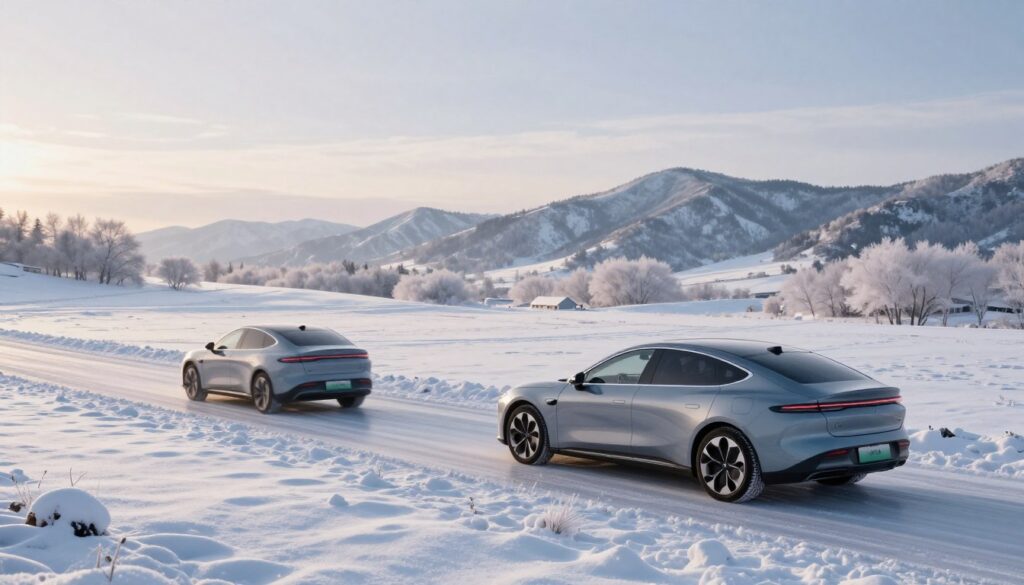
When it gets cold, electric cars don’t go as far as they do in warmer weather. It’s important to understand how EV cold weather range impact works. Even with better batteries, cold weather limits how far we can go.
Average Range Reduction
In the cold, electric cars use more energy. Short trips and stops can cut the range by half. This is because the battery needs a lot of energy to warm up.
When it’s cold, the battery works slower. This means less power for driving. Knowing this helps us plan better. Even the best electric cars lose some efficiency in the cold.
Factors Influencing Range Decrease
Several things affect how far an electric car goes in the cold. Heating the cabin is a big one. Electric cars use battery power for heat, unlike gas cars that use waste heat.
Driving fast and stopping a lot also drains the battery. Cold air makes it harder to move, and stopping and starting uses extra energy.
Real-World Examples
Imagine driving ten miles to work in the cold. The heater uses a lot of energy, making each mile cost more. By the time you get to work, the battery is drained more than usual.
Long trips in the cold are even harder. A car rated for 300 miles might only go 200 in freezing weather. Planning for these changes is key for reliable driving all year.
Strategies for Maximizing EV Range in Winter
Keeping your electric vehicle efficient in cold weather starts with smart energy use. By managing how your car uses power, you can beat the cold. Learning to winter drive electric cars means changing how we get ready for work.
Preconditioning Your Battery
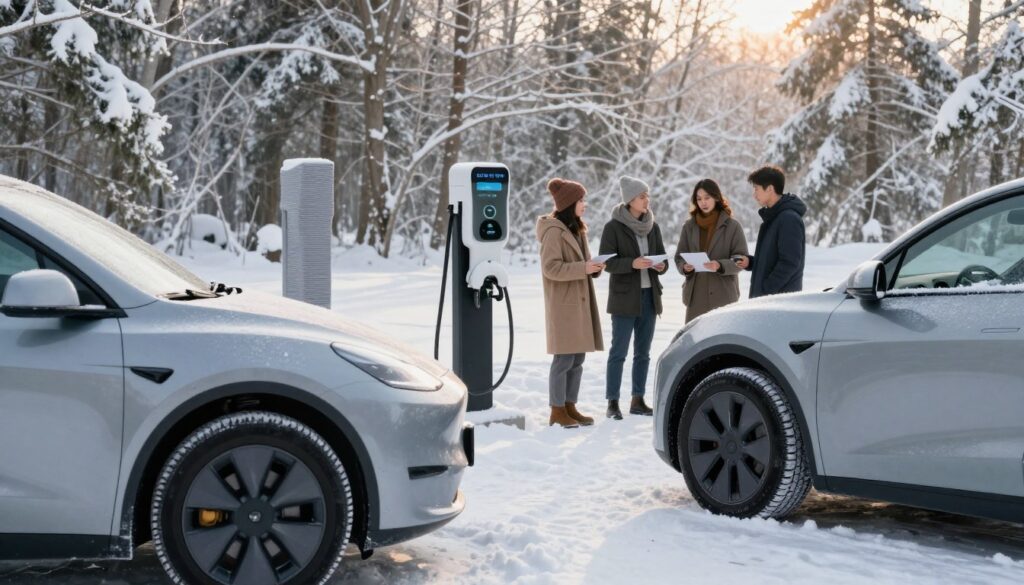
Preconditioning is key to keeping your car efficient. It lets your car warm up using grid power while plugged in. This way, your battery is ready to go before you leave.
Starting with a warm battery saves energy for heating up. This simple step is essential for electric vehicle winter range optimization. Knowing how to jumpstart a car safely is also important.
Smart Driving Tips for Cold Weather
Driving smoothly saves energy in the cold. Try to keep speeds steady and avoid sudden starts. This lets your car’s heating system work better.
- Keep your speed consistent to reduce aerodynamic drag.
- Use seat heaters instead of the main cabin heater to save power.
- Plan your routes to include charging stops if you are traveling long distances.
Utilizing Regenerative Braking
Regenerative braking captures energy and puts it back in the battery. In the cold, it helps your range by turning braking energy into power. Use it at the highest level in winter to save energy.
Even when it’s very cold, regenerative braking is important for electric vehicle winter range optimization. Regular use of this feature helps you get the most from each charge. Here’s how different strategies affect your efficiency when winter driving electric cars.
| Strategy | Primary Benefit | Efficiency Impact |
|---|---|---|
| Preconditioning | Warms battery via grid | High |
| Regenerative Braking | Recovers kinetic energy | Medium |
| Steady Speed | Reduces energy consumption | Medium |
| Seat Heaters | Lowers HVAC load | High |
Charging Considerations During the Winter
Charging an electric vehicle in cold weather needs extra care. The cold slows down the battery’s chemical reactions. This affects how well your car charges.
By changing our charging habits, we can keep our cars ready for winter. This ensures they work well, no matter the weather.
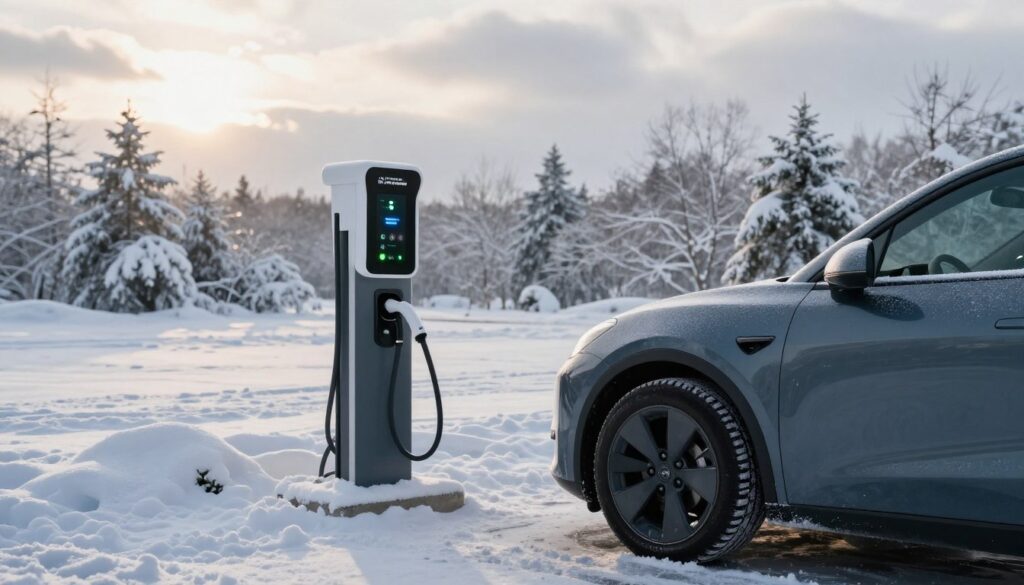
Choosing the Right Charging Stations
Not all charging spots are the same in winter. We should choose ones with sheltered or indoor access. This protects against wind and cold.
- Choose stations in parking garages to keep the battery warm.
- Use apps like PlugShare to check if chargers work well in cold.
- High-speed DC chargers are better because they’re less likely to freeze.
Impact of Cold on Charging Speed
The cold makes batteries charge slower. This is because the ions move slower in cold temperatures. The car limits power to protect the battery.
Charging takes longer in winter. This is normal. It lets the car manage its temperature.
Best Practices for Charging in Low Temperatures
Charge when it’s warmest. Charging after driving keeps the battery warm. This makes charging faster.
Preconditioning is key in winter. It heats the battery before you drive. This makes charging more efficient and improves performance.
Importance of Battery Maintenance in Cold Weather
Proactive care is key to protecting your electric vehicle in cold weather. When it gets chilly, your EV needs extra care to keep its battery in top shape. Consistent maintenance is essential for a healthy battery that can handle winter driving.
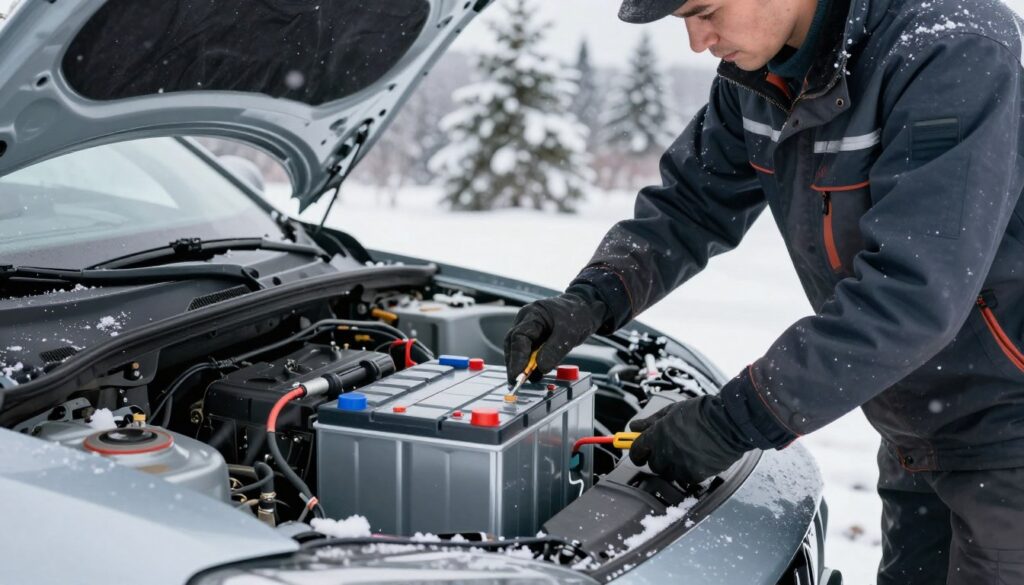
Regular Inspections and Maintenance
Getting a professional inspection before the first frost can prevent problems. A certified technician should check your battery terminals and connections for wear or oxidation. Taking these small steps early helps your vehicle perform well in cold weather.
Don’t forget to do your own visual checks. Look for loose cables or physical damage that could harm the system. Regular maintenance helps catch small issues before they become big problems.
Keeping Batteries Clean and Dry
Winter brings moisture and road salt that can harm your vehicle. Keeping the battery housing and connections clean and dry prevents electrical problems. Corrosion can build up quickly if salt or moisture sits on contact points.
Wipe down the battery compartment with a dry, lint-free cloth now and then. This simple habit stops grime buildup from winter humidity. By keeping these areas clean, your battery stays optimal electrical conductivity all season.
Monitoring Battery Health
Modern electric vehicles have software to track your battery. Use your vehicle’s built-in tools or mobile apps to monitor battery health. These systems give you important data on charge capacity and efficiency.
Regularly checking this data helps spot any issues early. Monitoring your battery health lets you adjust your charging and driving habits. This care extends your battery’s life and keeps your vehicle performing well all year.
The Role of Cabin Heating in EV Winter Range
To get the best electric vehicle winter range optimization, we need to think about how we heat our cars. Many people are surprised to find that heating the car uses more energy than the car’s motor in cold weather. Knowing this helps us make better choices to save our battery.
Understanding Heat Usage
Old cars use the heat from burning fuel to warm the inside. But electric cars have to make heat from their batteries. This takes a lot of energy and can cut down how far you can drive.
Most EVs use either resistive heating or heat pumps. Resistive heating works like a toaster, using a lot of power to warm the air fast. But it uses a lot of energy, which can hurt your range in cold weather.
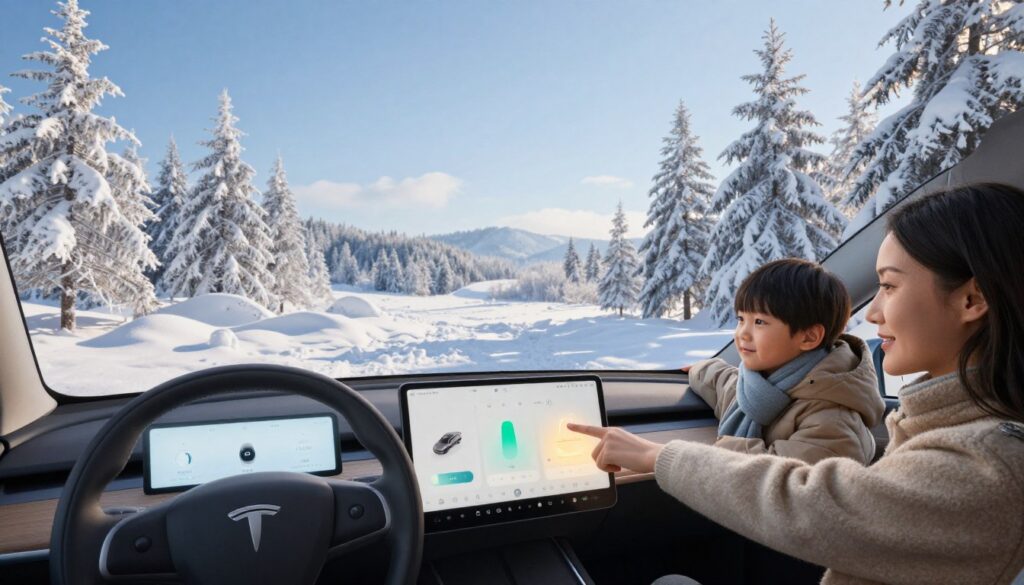
Temperature Settings for Efficiency
It’s possible to keep your car warm without using too much battery. Try setting your heater to a moderate temperature instead of the highest. Small changes to your thermostat can make a big difference in your electric vehicle winter range optimization.
- Precondition while plugged in: Warm your car while it’s plugged in to avoid using battery power for heating.
- Use “Auto” mode: Modern heaters are designed to warm up efficiently and then use less power to stay warm.
- Recirculate air: Keep the air inside the car recirculating to avoid constantly heating cold outside air.
Alternatives to Traditional Heating
Using just the cabin heater isn’t always the best choice. Instead, try using heated seats and steering wheels. They warm you up directly without using a lot of energy. You can find more about this in this article.
These features let you keep the cabin cooler while staying warm. By focusing on direct heating, you can stay comfortable while also saving your car’s range during the cold months.
EV Models Best Suited for Cold Climates
The difference between a bad winter drive and a good one often comes down to the car’s heating system. Not every car handles cold weather the same. When we look at electric vehicle cold climate performance, we need to see more than just how far it goes on a charge.
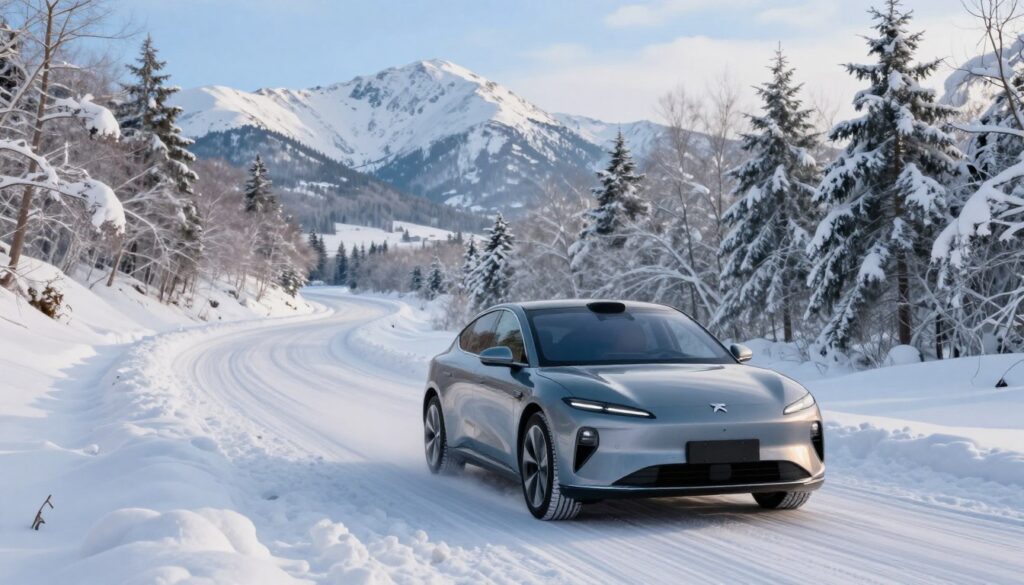
High-Performance Winter EVs
Some car makers focus on making cars work well in cold weather. Cars like the Tesla Model Y and the Audi Q8 e-tron are often at the top for winter driving. They have special all-wheel-drive systems that help them grip icy roads well, keeping you safe and warm.
Features to Look for in a Winter EV
When you’re looking for a new car, look for ones with a high-efficiency heat pump. Heat pumps use less energy to warm up the car than old-fashioned heating systems. Also, find cars with good battery prep features. These let the battery warm up while it’s charging.
- All-Wheel Drive (AWD): Essential for maintaining control on snow-covered surfaces.
- Heat Pump Technology: Maximizes range by reducing the energy drain of cabin heating.
- Battery Preconditioning: Ensures the battery is ready for efficient power delivery before you start your drive.
Consumer Reports on Winter EV Performance
Recent reports show that consistent maintenance and smart features are key. Many owners say cars with special winter modes do better in cold weather. We’ve made a list of important features to help you choose the right car.
| Vehicle Model | Drive Type | Heat Pump Included | Winter Reliability Rating |
|---|---|---|---|
| Tesla Model Y | AWD | Yes | Excellent |
| Audi Q8 e-tron | AWD | Yes | Very Good |
| Hyundai Ioniq 5 | AWD | Yes | Good |
| Ford Mustang Mach-E | AWD | Yes | Good |
The Influence of Tire Pressure on EV Efficiency
Keeping your tires at the right pressure is key to saving your cold temperature and electric car range in winter. When it gets cold, the air in your tires gets thinner, causing pressure to drop. This makes your car work harder to move, using more energy.
Importance of Proper Tire Pressure
Right tire pressure is vital for safety and saving energy. Under-inflated tires make your car drag more, using up your battery fast. This is bad news, as cold weather already makes your car less efficient.
By keeping your tires at the recommended pressure, you help your car run better. This simple step can help your car handle cold weather better. Keeping your tires at the right pressure is a must for winter driving.
Tips for Checking and Adjusting Tire Pressure
Check your tire pressure every two weeks in winter. Use a digital gauge, not your car’s system, as it might be slow in cold weather.
Check your tires when they’re “cold,” meaning your car has been parked for three hours. Adjust the pressure to what’s on the sticker inside your driver-side door jamb. Never go over the max pressure on the tire sidewall.
Winter Tire Recommendations
Getting good winter tires is wise for EV owners in snowy areas. Winter tires stay flexible in cold, giving better grip and less wheel slippage.
Winter tires might roll a bit harder than summer ones, but they’re worth it for safety. Tires made for EVs can also save energy, helping you get where you need to go safely.
Comparing EVs and ICE Vehicles in Cold Weather
When we compare electric vehicles (EVs) and traditional cars in cold weather, we find some surprises. Many think EVs have it worse in the cold, but that’s not always true. Both types face big challenges when it gets chilly.
Performance Differences in Winter Conditions
Internal combustion engine (ICE) cars also lose fuel efficiency in the cold. The EPA says gas cars can lose 10 to 30 percent of their fuel economy in winter. This is because engines take longer to warm up and oil gets thicker, causing more friction.
EVs have their own issues with range in the cold, mainly because of battery chemistry and heating needs. But ICE cars also have problems, like needing to idle more and facing mechanical drag. So, electric vehicle cold climate performance gets more attention, even though gas cars have similar problems.
Cost of Operation in Cold Weather
Looking at the cost of using these vehicles, we find an interesting difference. Even with less efficiency, electricity is usually cheaper than gasoline in most of the U.S.
| Factor | Electric Vehicle | ICE Vehicle |
|---|---|---|
| Energy Source | Electricity | Gasoline |
| Winter Efficiency | Reduced | Reduced (10-30%) |
| Maintenance | Lower | Higher |
Efficiency losses in winter don’t mean EVs are more expensive to run than gas cars. EVs need less maintenance because they have fewer parts. This helps balance out the extra energy use in winter.
Consumer Preferences and Choices
More people are choosing EVs for daily driving, even in the cold. They like features like heated seats and steering wheels. These add comfort without using too much battery power.
As more charging stations appear, worries about driving in winter are fading. Now, people choose EVs for their long-term savings and environmental benefits. It’s all about understanding the trade-offs for your climate.
Future Innovations in EV Battery Technology
We are seeing a big change in how electric vehicles handle cold weather. Engineers are working hard to make sure EVs can handle winter without problems.
Advancements in Battery Chemistry
New research is focusing on solid-state batteries. They have more energy and stay stable in cold weather. This is because they use solid materials instead of liquid.
Also, silicon-anode technology is helping batteries keep their power in cold temperatures. These breakthroughs are key for better extreme weather EV battery performance everywhere.
Innovations in Thermal Management
New thermal management systems are key in EV design. They use advanced heat pumps to warm the car and battery pack. This is done by using waste heat from the drivetrain.
This efficient energy loop helps the battery last longer. It keeps the battery warm, improving extreme weather EV battery performance in the cold.
Predictions for Future EV Designs
Future electric cars will have advanced thermal control systems. These systems will use data to pre-heat the battery before you start driving.
These changes will make extreme weather EV battery performance common, not just a luxury. As we move forward, EVs will be reliable in all seasons.
Conclusion: Embracing Cold Weather with Confidence
Driving an electric vehicle in winter is not a compromise. It’s about understanding how batteries work in cold. This knowledge lets drivers enjoy winter without worry.
Essential Takeaways for Winter Travel
Start by managing your energy use. Preconditioning your car while it’s charging helps save battery for driving. Also, keep your tires inflated to stay efficient on ice.
Mastering Your Electric Journey
Plan your route with charging stations in mind. This way, you’ll reach your destination easily. Seeing these adjustments as part of driving is key. It keeps your car running well.
A Future of Reliable Performance
Electric cars are getting better for all climates. Soon, battery tech will make winter driving easy. Choosing electric helps the planet and keeps your ride smooth.
FAQ
How significantly does cold weather impact electric car battery life and range?
Cold weather can really affect an EV’s range. When it’s below freezing, some cars might lose 20% to 40% of their range. This is because the cold slows down the battery’s chemical reactions.
It’s important to keep the battery warm for long trips in the cold. This helps the car go further.
What is battery preconditioning, and why is it vital for winter driving electric cars?
Preconditioning warms the battery before you start driving. You can do this using your car’s app. It’s a smart way to use power from the grid instead of the battery.
Starting with a warm battery helps fight range loss in the cold. It’s a key strategy for winter driving.
Why do electric vehicles charge more slowly in freezing temperatures?
Charging is slower in the cold because the battery’s ions move slower. To protect the battery, charging systems limit how fast they charge.
Using the car’s GPS to find fast chargers helps. Many EVs will start warming the battery on the way, making charging faster.
Do all electric vehicles lose the same amount of range in the winter?
No, range loss varies by car and technology. Cars with heat pumps, like the Hyundai IONIQ 5, keep more range than those without.
Heat pumps are better at keeping the car warm. This means more range for driving in the cold.
How does tire pressure affect winter driving electric cars?
Tire pressure drops in the cold, making the car work harder. This uses more battery power. To keep range up, check your tire pressure often.
Using winter tires, like Michelin X-Ice Snow, helps too. They give better grip in snow and ice, keeping you safe.
Are electric vehicles less reliable than gas cars in extreme cold?
EVs are often more reliable in the cold. They don’t have oil that gets thick or batteries that fail like gas cars do. Brands like Rivian and Lucid stay reliable even in very cold weather.
But, EVs need more planning for winter driving. You need to think about range more.
Can regenerative braking help recover range during the winter?
Yes, but it’s less effective when the battery is cold. As the battery warms up, it captures more energy. This helps recover range.
Using “One-Pedal Driving” modes in cars like the Nissan LEAF helps too. It makes the most of every bit of energy in the cold.

Hi! I’m Moheen Iftikhar, the person behind «CarCruisei». I’m deeply interested in the automotive world, from new car trends and advanced vehicle technology to useful driving advice. On this platform, I publish informative car reviews, expert insights, and practical tips to keep every car enthusiast informed and inspired.