

Check Engine Light: How to Clear Check Engine Light Without a Scanner
Seeing an unexpected dashboard warning often triggers immediate anxiety for drivers. We understand that finding a reliable solution for your Check Engine Light is a top priority when you are on the road.
Fortunately, you can often clear check engine light without scanner tools by performing a simple battery reset or completing a few drive cycles. These manual techniques empower you to address minor glitches while saving time and money. But, we always recommend consulting a professional if the alert persists, as your safety remains our primary concern.
Key Takeaways
- Dashboard warnings often stem from minor sensor errors.
- Manual resets can resolve temporary computer glitches.
- Safety is always first; never ignore persistent mechanical alerts.
- Professional diagnostics are necessary for complex internal issues.
- Understanding your vehicle helps you avoid unnecessary repair costs.
Understanding the Check Engine Light: What Does It Mean?
When the amber icon lights up on your dashboard, it’s like a silent message from your car’s computer. This Check Engine Light is part of your vehicle’s On-Board Diagnostics system. It alerts you when something’s not right. It’s a helpful tool that prevents small problems from becoming big, expensive repairs.
This light doesn’t always mean your engine is failing. It’s a key part of check engine light troubleshooting to keep your car in good shape. If you want to stay safe on the road, consider getting the best dash cams to watch your driving area.
Common Causes for the Check Engine Light
Many things can set off the warning light. Most problems are about emissions or sensor readings that are off.
- Loose or damaged gas cap: This is a common problem, as it lets fuel vapors escape.
- Faulty Oxygen (O2) sensor: This sensor checks for unburned oxygen in the exhaust system.
- Catalytic converter failure: Often caused by neglecting maintenance over time.
- Mass Airflow Sensor (MAF) issues: This part measures air intake to the engine.
Importance of Diagnostic Codes
The engine control unit (ECU) is your car’s brain. When it finds a problem, it saves a specific fault code. These codes help us find the exact problem with check engine light troubleshooting.
By looking at these codes, we can figure out if the problem is electrical, mechanical, or with the fuel system. Without them, we’d just be guessing, leading to wrong part replacements and wasted time.
When to Take Action
Not every light means you need to rush to the mechanic. But you should never ignore it. A steady light usually means a non-emergency issue that should be fixed during your next service.
But if the Check Engine Light is flashing, act fast. A flashing light means a serious engine misfire that can damage your catalytic converter or other parts. In these cases, pull over safely and get help to avoid more damage to your car.
Basic Steps to Diagnose Without a Scanner
Before you get professional help, you can fix some minor alerts yourself. Many drivers clear check engine light without scanner by finding simple mechanical mistakes. These mistakes can set off the alert system.
Being proactive can save you time and money. Start with these basic steps to check if your car is running right.
Visual Inspection of the Engine Compartment
Doing a visual check is key in any check engine light DIY effort. Open the hood and look for any signs of wear or damage on the engine parts.
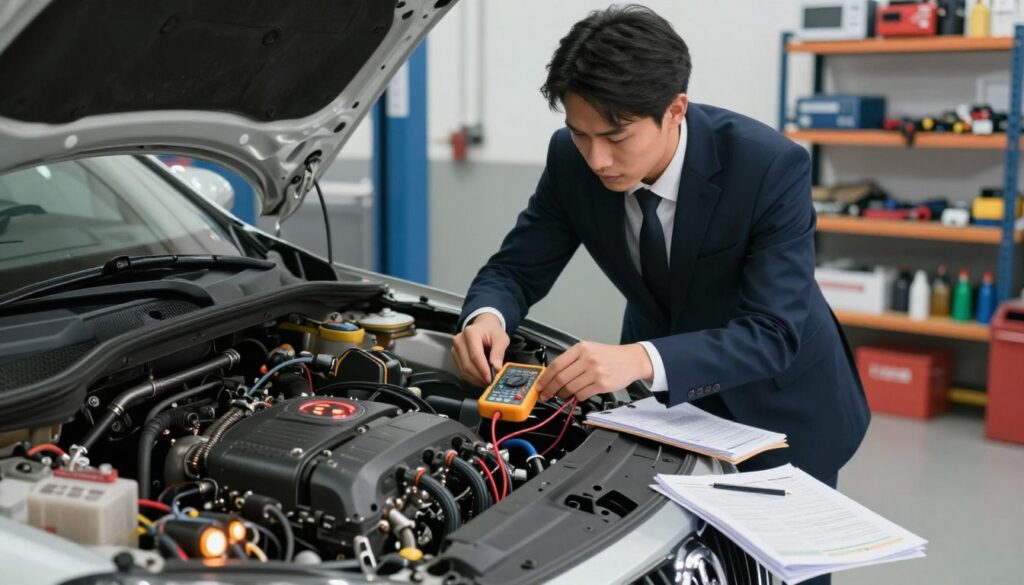
Look closely at rubber hoses and electrical wires. If they’re loose or frayed, it could be why your light is on. Finding a disconnected vacuum line or a damaged wire can explain the issue.
Check for Loose Fuel Caps
A loose or faulty gas cap is a common cause for a warning light. If the cap doesn’t seal right, the fuel system pressure drops, setting off the sensor.
Just tightening the cap until it clicks can fix it. If the light stays on, check the cap’s rubber gasket for damage or debris.
Examine the Battery Connection
Your car’s electrical system needs a steady power flow for accurate sensor readings. Bad connections or corrosion on the battery terminals can cause check engine light troubleshooting problems.
Make sure the positive and negative cables are tight on the battery posts. If you see white or blue powder, gently clean the terminals with a wire brush. This ensures good electrical contact.
Quick Fixes to Reset the Check Engine Light
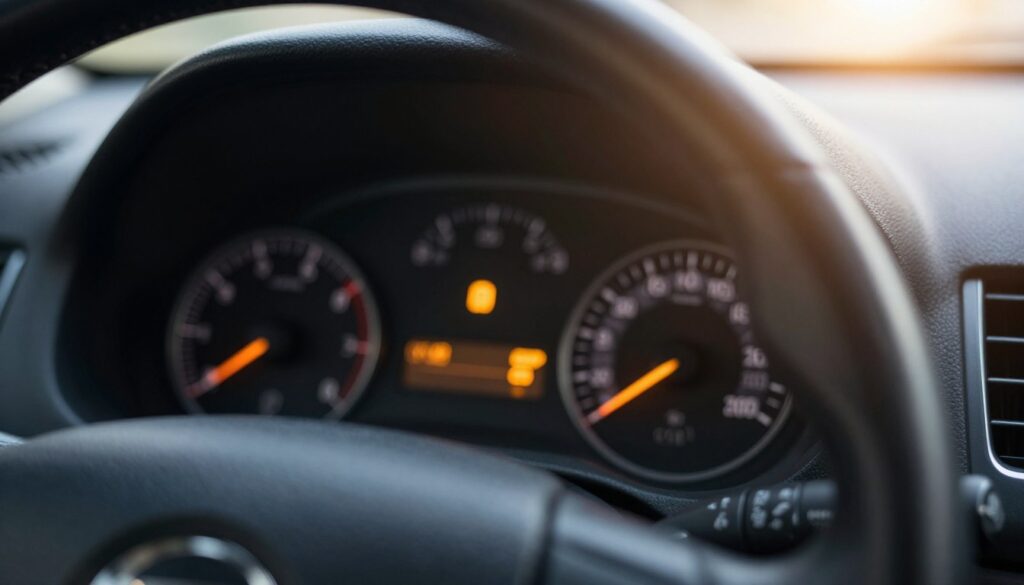
You can often fix temporary sensor errors by yourself at home. When your car shows a warning light, it’s not always a big problem. Often, you can fix engine light at home by fixing small, temporary issues without special tools.
Disconnecting the Battery Method
One common way to reset check engine light is to cut power to the car’s computer. Disconnecting the negative battery terminal lets the Engine Control Unit (ECU) forget the error code. Press the horn for 30 to 60 seconds while the battery is out to drain all energy.
“Knowledge is the most powerful tool in any mechanic’s garage, allowing you to distinguish between a simple glitch and a serious repair.”
This method clears temporary codes from the ECU. After reconnecting the battery, the system will scan again during your next drive. This is a reliable check engine light fix for many.
Gas Cap Tightening Technique
Sometimes, the solution is simpler than dealing with electrical parts. A loose or damaged fuel cap can cause the warning light. Make sure the cap is tightened until it clicks.
After tightening, drive the car for several cycles. This lets the computer recognize the seal. If the light stays on, consider other maintenance tasks, like learning how to change oil step by. These steps help you fix engine light at home and keep your car in good shape.
The Role of the On-Board Diagnostics (OBD-II)
To master check engine light troubleshooting, you need to know your car’s digital brain. Modern cars have sensors that watch performance and emissions. They keep your engine safe and efficient.
What is OBD-II?
OBD-II is the On-Board Diagnostics II system in U.S. cars from 1996 on. It lets different tools talk to your car’s computer. Without this standard, each car maker would need its own tool.
This system checks emissions and engine health. If it finds a problem, it saves a code. This is true for all cars, even the most fuel-efficient gas cars for daily driving.
How OBD-II Works with Your Vehicle
The OBD-II system works through sensors and the Engine Control Module (ECM). It tracks things like oxygen levels and fuel pressure. If something’s off, the ECM lights up the dashboard warning light.
This is key for check engine light troubleshooting. It gives you a clear starting point for fixing problems. Knowing how it works lets you handle your car’s maintenance with confidence.
Situations That Require Professional Help
Working on our vehicles can be fun, but some signs need a pro’s touch. While many try to fix engine light at home, some issues are too big for DIY. Your safety and car’s health might depend on a certified tech.

Persistent Engine Issues
If a warning light keeps coming back, it’s a sign of a serious problem. A persistent light means the sensor data is showing a failure. In such cases, getting a professional check engine light fix is the best choice to avoid costly damage.
Ignoring a recurring light can cause expensive repairs later. Regular maintenance, like a car maintenance checklist, helps avoid these problems.
Unusual Sounds or Performance Changes
Your car talks to you in many ways, not just through lights. Hearing unusual sounds like knocking or hissing means you should stop DIY fixes. These sounds usually mean serious engine problems that need special tools.
Also, if your car stalls, idles rough, or loses power suddenly, it’s a big warning. These signs mean your engine is in trouble. A pro mechanic can give the right check engine light fix to keep your car safe and running well.
Clearing the Check Engine Light Using Common Methods
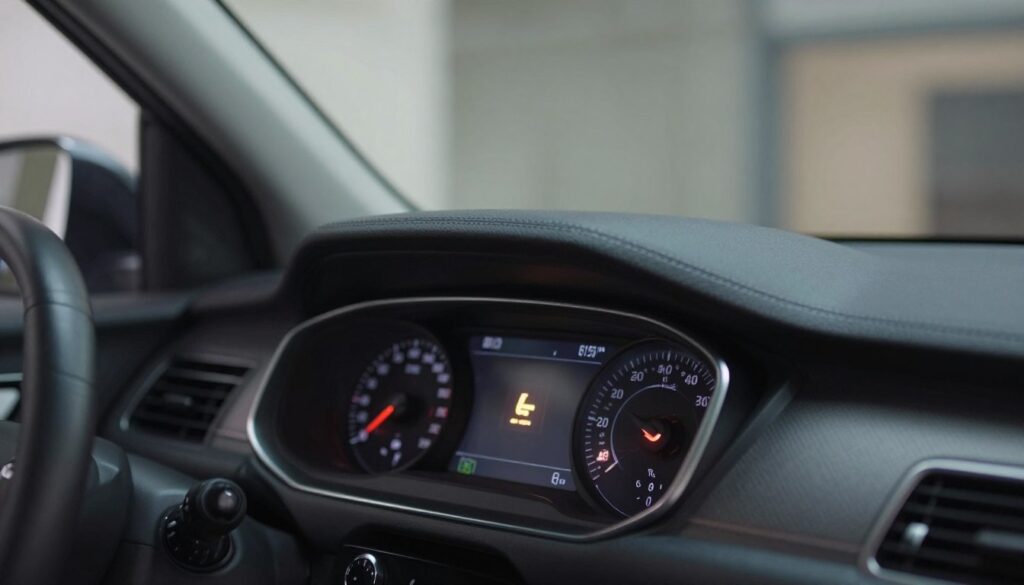
It’s possible to clear the check engine light without a scanner on your own. While mechanics use special tools, you can try some manual methods. These can reset your car’s computer if you’ve fixed the problem first.
The Battery Disconnection Method
One classic way to reset your vehicle’s memory is by disconnecting the battery. Take off the negative terminal cable for 15 to 30 minutes. This cuts power to the Engine Control Unit (ECU), clearing its memory and turning off the warning light.
After reconnecting the battery, the system checks itself again. If the problem is fixed, the light should stay off. Make sure the engine is off and the key is out before touching the battery cables to avoid electrical issues.
The Fuse Removal Technique
Another method is to remove the ECU fuse to clear CEL without OBD scanner tools. This method targets the fuse for the engine computer, cutting its power without removing the battery. Putting the fuse back in after a few minutes resets the ECU.
This method is good because it doesn’t mess with other car settings like your radio or clock. It’s a solid way to clear CEL without OBD scanner if you’ve already fixed the problem. Check your owner’s manual to find the ECU or PCM fuse in your fuse box.
| Method | Primary Action | Best For | Complexity |
|---|---|---|---|
| Battery Disconnect | Remove negative cable | Full system reset | Low |
| Fuse Removal | Pull ECU fuse | Targeted computer reset | Medium |
| Drive Cycle | Normal operation | Self-clearing codes | Very Low |
Common Misconceptions About Clearing the Check Engine Light
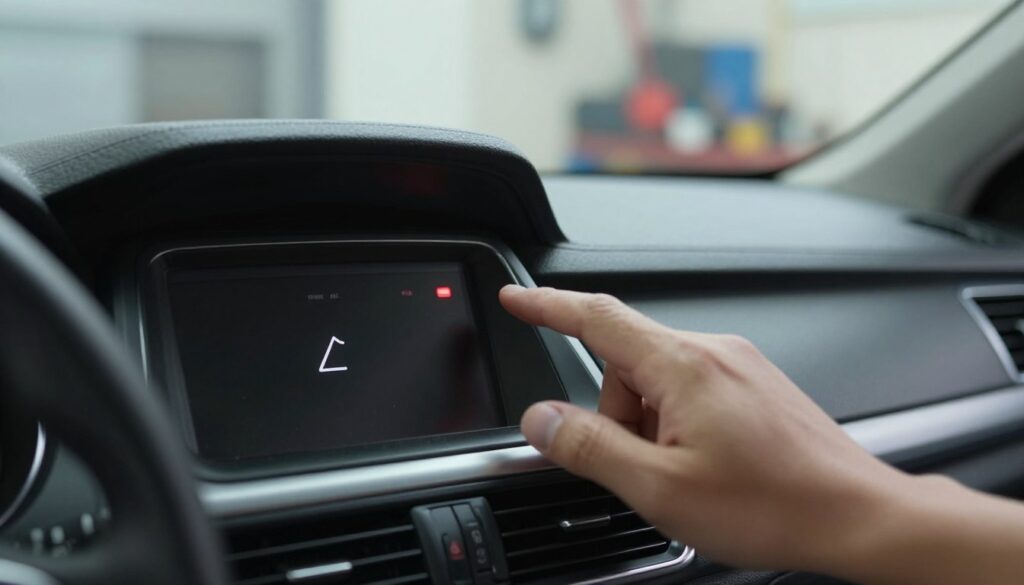
Many people think erasing a diagnostic code fixes the problem. They believe the dashboard warning gone means everything is fine. But, a simple reset check engine light is just a temporary fix.
Reset vs. Fixing the Problem
Clearing a code doesn’t fix the mechanical fault. It just removes the alert from the car’s computer. If the real issue, like a bad sensor or vacuum leak, stays, the system will alert you again soon.
True maintenance means finding and fixing the real problem. Quick resets won’t solve long-term issues. You need to fix the mechanical problem to keep the light off for good.
Why Ignoring the Light is Not an Option
Some owners ignore the warning light, hoping it goes away. This is risky and can cause costly long-term damage to your engine or exhaust. Trying to fix the engine light at home without checking the cause can lead to big problems.
Ignoring the light means missing small issues before they become big, expensive ones. We urge you not to see the warning as just a nuisance. Instead, view it as a critical diagnostic tool that protects your investment and keeps you safe.
Preventive Measures to Avoid Future Issues
Staying proactive with car care helps avoid the hassle of unexpected dashboard warnings. By tackling small issues early, we keep our vehicles running smoothly for years. This ensures they stay reliable and efficient.
Regular Maintenance Tips
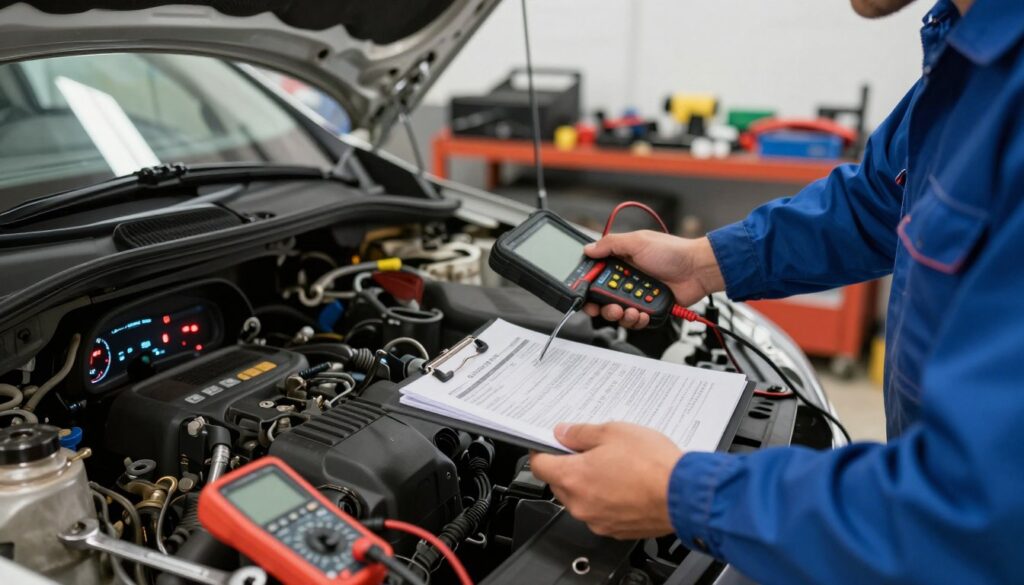
Keeping your engine healthy starts with regular maintenance. Simple steps like regular oil changes and air filter replacements stop debris buildup. Following the manufacturer’s service schedule greatly lowers the chance of system alerts.
It’s also key to check your vehicle’s fluid levels regularly. Keeping coolant, transmission fluid, and brake fluid at the right levels prevents overheating and damage. These habits help protect your car’s sensitive parts from wear and tear.
Keeping Track of Engine Performance
Pay attention to how your car feels during daily drives. Listening for unusual sounds or noticing changes in fuel economy can warn you early. Being alert lets you fix issues before they become big problems.
Keeping a log of your car’s performance is a good idea. Using these check engine light tips helps keep your car running well. This approach saves you time and money in the long run.
Alternatives to Using a Scanner
Looking for digital ways to reset check engine light indicators is easier than ever. You don’t need to spend a lot on fancy tools to check your car’s health. Today’s tech makes it simple to get detailed info without going to a pro.
Mobile Apps for Vehicle Diagnostics
Mobile apps with Bluetooth OBD2 adapters are a low-cost, user-friendly alternative to expensive scanners. These small adapters connect to your car and send data to your phone. With these apps, you can keep an eye on your engine and clear CEL without OBD scanner tools.
These apps are easy to use, giving clear explanations for tricky error codes. They let you see how your car’s performance changes over time. This helps spot problems early, before they get worse.
Using an LED Trouble Code Reader
An LED trouble code reader is great if you don’t want to use a phone. It’s simple and lets you quickly read and erase trouble codes. It’s perfect for those who want to reset check engine light alerts fast, without dealing with complicated software.
“The democratization of diagnostic data empowers the average driver to make informed decisions about their vehicle’s maintenance needs, saving both time and money.”
When you need to clear CEL without OBD scanner tools, these readers are a reliable option. They give you the info you need to fix small problems right away.
| Diagnostic Method | Ease of Use | Cost Efficiency | Data Depth |
|---|---|---|---|
| Mobile App + Adapter | High | Excellent | Advanced |
| LED Code Reader | Very High | Good | Basic |
| Professional Scanner | Moderate | Low | Comprehensive |
Frequently Asked Questions About the Check Engine Light
Many people wonder about the Check Engine Light and how to handle it. They ask about when it turns on and how to keep their car running well. Our check engine light tips can help you understand your car’s health better.
How Long Does the Light Stay On?
The time the light stays on varies based on the problem. Trying to clear CEL without OBD scanner tools might make it go away for a bit. But, the car’s computer will check again.
If the problem is not fixed, the light will come back. It’s important to let the car finish its “readiness monitors” after a reset. This helps your car pass emissions tests and run smoothly.
What Should I Do If It Comes Back On?
If the light comes back on, it means the problem is not solved. Don’t ignore it, as it could be a serious issue. For more tips on car care, check out these professional insights.
When the light comes back, it’s best to get a professional to check it. Manual resets won’t fix serious engine problems. Here’s a table to help you understand what the light means and what to do.
| Light Status | Meaning | Recommended Action |
|---|---|---|
| Steady Light | Minor emission or sensor fault | Schedule a professional inspection |
| Flashing Light | Severe engine misfire | Stop driving and seek immediate help |
| Light Returns After Reset | Persistent mechanical issue | Perform a full diagnostic scan |
Conclusion: Empowering Yourself with Knowledge
Understanding how to check your car’s engine light is the first step to car care. We think knowing how to fix simple issues makes driving safer. By using these tips, you can handle small problems without needing a mechanic.
This guide helps you fix common problems that show up on your dashboard. Always be careful and get help from a pro for big issues. Taking care of your car keeps it running well for a long time.
Understand Your Vehicle Better
Knowing your car well helps you tell the difference between a small problem and a big one. Keep a record of when you do maintenance. This makes driving more interesting and helps you notice patterns.
Take Control of Engine Issues
You can do basic checks with the right tools and knowledge. Regular checks keep your engine in top shape. Keep learning about your car to make sure your rides are smooth and reliable.
FAQ
How long will the dashboard warning remain active after we perform a repair?
In most modern vehicles, the Check Engine Light stays on until the ECU checks several “drive cycles” without finding the fault. If you need to clear check engine light without scanner tools right away, you must manually reset the system. But, the light will come back if the check engine light troubleshooting didn’t fix the real problem.
What should we do if the alert reappears shortly after we reset check engine light settings?
If the light comes back, it means the ECU is finding a problem again. We suggest looking deeper than just a simple check engine light fix. Tools like the BlueDriver Bluetooth sensor or Fixd can show if it’s a sensor issue or a bigger engine problem.
Can we effectively fix engine light at home using the battery disconnection method?
Yes, this is a common check engine light DIY trick. Disconnecting the negative battery terminal and pressing the horn for 30 seconds clears the memory. But, remember, this only clears the memory and doesn’t fix the real problem.
Why is a loose gas cap often cited as a primary check engine light fix?
The OBD-II system checks fuel system pressure to stop evaporative emissions. A loose, cracked, or wrong fuel cap can cause a leak code. Tightening the cap is an easy check engine light tip to fix a warning without tools.
Are there reliable digital alternatives to clear CEL without OBD scanner professional-grade equipment?
We often suggest using apps like Torque Pro or Car Scanner ELM OBD2 with a Bluetooth adapter. These let you reset check engine light codes and see real-time data on your phone. They bridge the gap between DIY and professional diagnostics.
Is pulling the ECU fuse a safe way to clear check engine light without scanner tools?
Removing the ECU fuse is a targeted way to clear CEL without OBD scanner trouble. It’s a temporary check engine light fix, but be careful. It might reset your radio presets, clock, and seat memory settings too.
When should we stop trying a check engine light DIY approach and visit a professional?
If your check engine light troubleshooting shows a flashing light, unusual engine knocking, or power loss, stop DIY efforts. A flashing light means a serious engine misfire. It can damage your catalytic converter if not fixed by a certified tech right away.

Hi! I’m Moheen Iftikhar, the person behind «CarCruisei». I’m deeply interested in the automotive world, from new car trends and advanced vehicle technology to useful driving advice. On this platform, I publish informative car reviews, expert insights, and practical tips to keep every car enthusiast informed and inspired.