


Turbo vs Naturally Aspirated Engine Reliability and Performance Comparison
Choosing the right vehicle often comes down to how the power plant operates under the hood. Modern automotive technology affects how a car feels on the road, its fuel efficiency, and its long-term durability. Understanding these mechanical differences is vital for every driver.
Whether you are buying a new vehicle or seeking a replacement unit, knowing the trade-offs between forced induction and atmospheric designs is essential. These systems function in unique ways, shaping your daily driving experience. If you need expert advice on your specific vehicle needs, please reach out to our team for guidance.
Selecting the correct setup requires a clear look at how these components handle stress over time. We will examine the core strengths and weaknesses of each design to help you make an informed decision. Prioritizing your driving habits will ensure you get the most value from your investment.
Key Takeaways
- Forced induction systems offer increased power through compressed air intake.
- Atmospheric motors provide a linear and predictable throttle response.
- Maintenance needs vary significantly based on the complexity of the induction system.
- Fuel economy often depends on how the driver utilizes the available power band.
- Long-term durability is influenced by heat management and component stress levels.
Introduction to Engine Types
The choice between forced induction and atmospheric breathing shapes a vehicle’s driving character. When comparing a Turbocharged engine vs Naturally Aspirated setup, we see two power generation philosophies. Understanding your engine type is key to making a smart choice, like knowing the difference between an SUV and a.
Understanding Turbocharged Engines
A turbocharged engine uses a turbine driven by exhaust gases to force more air into the cylinders. This compression allows these engines to get significantly more power from smaller displacements. It’s a way for manufacturers to boost efficiency without losing performance.
Efficiency and power density are key benefits of this technology. The system’s reliance on exhaust pressure gives it a unique power delivery. Many drivers love it for its quick torque availability.
Understanding Naturally Aspirated Engines
Naturally aspirated engines work through traditional atmospheric intake. They draw in air based on the ambient pressure, relying on piston movement to create a vacuum.
Many fans prefer this setup for its predictable behavior and linear power delivery. Without a turbocharger, these engines offer a more direct connection between the throttle and engine output. This simplicity makes them a reliable choice for long-term ownership.
Performance Characteristics of Turbo Engines
Modern engines have seen a big change with turbocharging. This method forces more air into the engine, boosting efficiency and power. It’s key to understanding the difference between Turbo vs Naturally Aspirated Engine performance today.
Power Output Enhancement
Turbochargers use exhaust gases to spin a turbine. This turbine compresses intake air, making it denser. This allows the engine to burn more fuel, leading to a substantial increase in horsepower without needing a bigger engine.
Car makers like this because it lets them adjust power based on what the driver needs.
“The beauty of forced induction lies in its ability to provide high-performance characteristics from a compact, lightweight package.”
This tech has many benefits for power delivery:
- Increased thermal efficiency during high-load scenarios.
- Ability to maintain peak power across a wider range of altitudes.
- Reduced weight compared to larger, naturally aspirated engines with similar output.
Boosting Torque at Lower RPMs
Turbocharged engine performance shines in its ability to deliver torque at low speeds. Unlike traditional engines, turbocharged ones give a power boost right away. This makes smaller cars feel quick and easy to handle in city driving.
This low-end power is a big plus for city drivers. It means less need to downshift, making driving smoother and more enjoyable. This is why turbo tech is so popular in today’s cars.
Performance Attributes of Naturally Aspirated Engines
Driving a car with a naturally aspirated engine is often the most enjoyable. These engines pull air directly into the combustion chamber. This makes the engine’s power feel more connected to the driver’s actions.

Linear Power Delivery
The power of these engines grows smoothly as you speed up. The power increase matches the engine’s speed perfectly. This makes it easy to control the car when driving fast.
There’s no delay like with turbochargers, so the car responds right away. This quick reaction is why many people prefer these engines for everyday driving. It keeps the car steady and easy to handle, as shown in our guide to top-rated sedans and most fuel-efficient gas.
High RPM Performance
At high speeds, these engines really come alive. They offer a thrilling crescendo of power that makes you want to push them to their limits. This is what makes high-performance Naturally Aspirated engines stand out.
The sound and feel of these engines at high RPMs are unmatched. They stay efficient even at high speeds, rewarding the driver for their active driving. This mechanical purity is key for those who love the art of driving.
Reliability Comparison of Turbocharged Engines
When we look at long-term ownership, the debate on Turbo vs Naturally Aspirated Engine reliability focuses on heat and pressure management. Turbocharged engines use forced induction, which creates a tough environment for parts. They need a more advanced engineering approach and care due to higher thermal loads.

Common Issues and Failures
Forced induction systems are complex. Turbochargers spin at over 100,000 RPM, stressing bearings and seals. Without constant oil flow, these parts can fail catastrophically.
Heat soak is another issue, causing engine bay temperatures to rise during heavy use. This heat can damage rubber hoses and plastic parts over time. Look out for oil leaks or unusual sounds, as they signal a turbocharger problem.
Maintenance Requirements
To ensure Turbo engine reliability, regular care is key. Turbochargers are sensitive to oil quality, so a strict car maintenance checklist is essential. Use high-quality synthetic oil to prevent sludge and keep bearings lubricated.
It’s also important to let the engine idle for a minute before shutting it off after a long drive. This allows oil to circulate and cool the turbocharger. Following these rigorous maintenance standards can extend your system’s life and save on repairs.
Reliability of Naturally Aspirated Engines
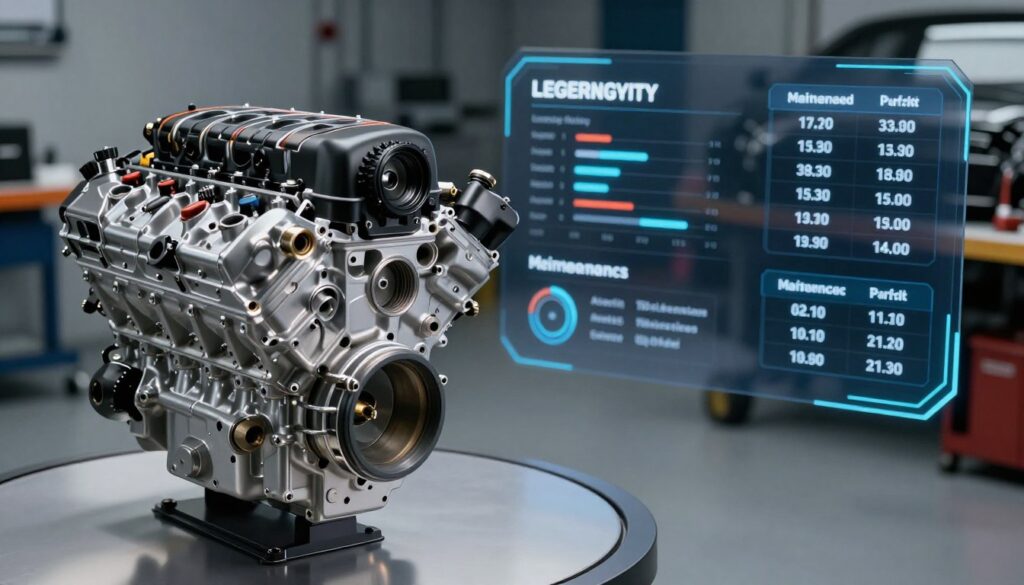
In an engine reliability comparison, naturally aspirated engines often stand out. They use air pressure to draw air into the engine, avoiding the heat and pressure of forced induction. This means they have fewer parts that can break down over time.
Durability Factors
The design of these engines is simple. They run cooler, which means less stress on parts like pistons and valves. This leads to consistent performance for the life of the vehicle.
Want to know how they compare to modern engines? Check out is a turbo engine better than a naturally aspirated one. Owners often say these engines are less prone to leaks and wear. This simplicity makes them great for high-mileage driving.
Long-term Maintenance and Costs
From a money standpoint, naturally aspirated engines are easier on the wallet. They don’t need special cooling or high-performance oil, so maintenance is cheaper. Mechanics also find them simpler to work on, which can save you money in the long run.
| Feature | Naturally Aspirated | Turbocharged |
|---|---|---|
| Complexity | Low | High |
| Operating Temp | Moderate | High |
| Maintenance Cost | Budget-Friendly | Premium |
| Part Longevity | High | Variable |
Fuel Efficiency: A Comparative Analysis
The debate over fuel economy is key in the Turbo vs Naturally Aspirated comparison. It’s important to understand how each system works during daily drives and long trips.
Turbocharged Engine Efficiency
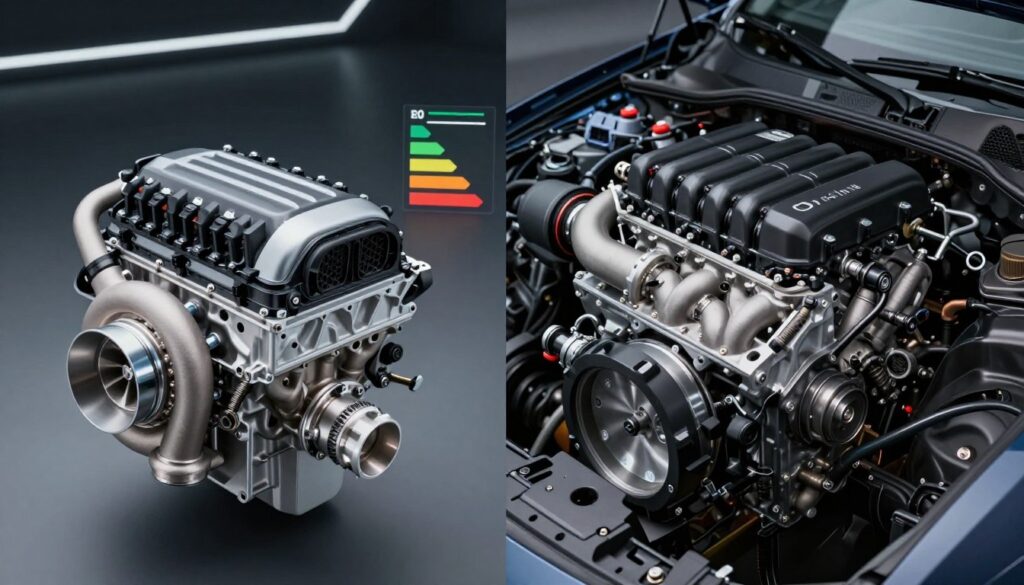
Turbocharged engines aim for a dynamic balance between power and fuel use. They use exhaust gases to push more air into the engine, making them smaller and lighter. This is great for light driving.
On the highway, the turbocharger stays off, helping the engine use less fuel. But, when you need more power, the turbo kicks in. This increases fuel use to meet the engine’s needs.
“Efficiency is not just about the engine’s design, but how the driver interacts with the power band throughout the journey.”
Naturally Aspirated Engine Efficiency
Naturally aspirated engines use air pressure to draw air into the cylinders. This leads to a linear and predictable fuel use pattern. Many drivers like this for its steady performance. You can learn more about this in a comparative performance of naturally aspirated vs turbocharged analysis.
These engines don’t have the sudden power boosts of turbocharged engines. They keep fuel use steady, even when pushed hard. They might not have the best torque at low RPMs, but they avoid the fuel drops seen with turbochargers. Your choice depends on whether you want consistent efficiency or on-demand power.
Driving Experience: Turbo vs Naturally Aspirated
When looking at Turbo vs NA performance, how the car feels under your foot matters a lot. The bond between you and the car is shaped by how the engine reacts to your foot.
Acceleration and Response
Naturally aspirated engines are loved for their immediate, linear response. They don’t need forced air, so power comes right away. This makes them great for those who like things precise and consistent.
Turbocharged engines, on the other hand, might feel a bit slow at first. This is because of the time it takes for the turbo to build up pressure. But, modern tech has made this delay much less noticeable. Once the turbo kicks in, it gives a punchy, torque-rich surge that’s exciting.

Handling and Control
The engine’s power delivery affects how a car handles in corners. Naturally aspirated engines offer a predictable power curve. This makes it easier to control the car when coming out of a turn.
Turbocharged cars need a bit more skill, as the sudden torque can throw off the balance. But, the extra power from the turbo is great for quick acceleration out of tight spots. It’s all about what you prefer: the raw, mechanical connection of a naturally aspirated engine or the quick boost of a turbo. Knowing these differences is key when choosing your next car.
Practical Applications and Use Cases
Choosing between a turbo vs NA engine depends on how you plan to use your vehicle. It’s important to match your car’s engine to your driving habits. This ensures you get the most out of your vehicle.

Turbocharged Engines in Modern Vehicles
Today’s cars often use turbochargers to boost power and efficiency. These engines are exceptionally effective for towing because they have strong torque at low RPMs. This makes pulling heavy loads easy, even from a stand-still.
City drivers also benefit from turbocharged engines. They provide quick power, making city driving smoother. With strong low-end torque, your car feels quick and agile in traffic.
Naturally Aspirated Engines in Specific Scenarios
Naturally aspirated engines are the top choice for certain situations. They’re perfect for off-roading because they offer predictable and linear power. This is key for controlling your car on rough terrain.
For long trips, naturally aspirated engines are better. They’re simpler, which means they need less maintenance over time. If you value mechanical reliability and a consistent driving experience, go for a naturally aspirated engine.
| Application | Recommended Engine | Primary Benefit |
|---|---|---|
| Towing & Hauling | Turbocharged | High low-end torque |
| Off-Roading | Naturally Aspirated | Linear throttle response |
| City Commuting | Turbocharged | Agile acceleration |
| Long-Distance Travel | Naturally Aspirated | Mechanical simplicity |
Conclusion: Choosing the Right Engine for Your Needs
Choosing between turbocharged and naturally aspirated engines depends on your driving habits and car goals. The best choice is based on whether you want quick response or better fuel efficiency.
Balancing Performance and Reliability
Our study on Turbo vs Naturally Aspirated Engines shows no clear winner. Turbocharged engines give you lots of torque at low speeds, making city driving easy. They use advanced tech to get more power from smaller engines.
Naturally aspirated engines, on the other hand, offer a unique feel that many love. They need less maintenance over time. This means fewer parts to break, giving you peace of mind for long drives.
Final Thoughts on Engine Selection
Your budget and how you plan to use the car are key. If you want power and good gas mileage, turbocharged might be best. But, if you prefer a reliable car with a direct feel, naturally aspirated is the way to go.
Try out both to see how they feel. Making a smart choice means your car will meet your needs for years. Think carefully about your needs to find the perfect engine for you.
Practical Applications and Use Cases
Understanding Turbocharged Engines
Modern Turbocharged engines use a mechanical system to harness energy from exhaust gases. The turbocharger forces more air into the combustion chamber. This allows engines like Ford’s EcoBoost to pack a punch without being too big or heavy.
Understanding Naturally Aspirated Engines
Naturally Aspirated (NA) engines use atmospheric pressure to draw air into the cylinders. This design is simple and traditional. Toyota’s Dynamic Force engines, for example, are refined to avoid the need for complex forced-induction hardware.
Power Output Enhancement
Turbocharged engines offer a huge power boost. Smaller four-cylinder units can now match the power of large V8s. This makes cars lighter and faster for modern driving.
Boosting Torque at Lower RPMs
Turbo engines provide a lot of torque at low speeds. This makes them feel more responsive in traffic. They don’t need to rev high to accelerate, unlike NA engines.
Linear Power Delivery
NA engines have a linear power curve. They build power smoothly as the engine speed increases. This is preferred by many, like in the Porsche 911 GT3 or Chevrolet Corvette Z06.
High RPM Performance
NA engines can reach higher RPMs without the turbo system’s restrictions. This provides quick throttle response. There’s no delay in the engine’s reaction to the driver’s input.
Common Issues and Failures
Turbo components face high stress and temperatures. This can lead to oil coking or bearing failure if not maintained. The added complexity of turbo systems also increases the risk of failure over time.
Maintenance Requirements
Maintaining Turbo engines is critical for reliability. Regular oil changes and allowing the engine to cool down are essential. This prevents heat soak and ensures the engine’s longevity, like in the Volkswagen GTI.
Durability Factors
NA engines are generally more reliable due to their simpler design. They operate under lower pressures and generate less heat. This leads to longer-lasting components, like in the Honda Civic or Lexus ES.
Long-term Maintenance and Costs
NA engines are more cost-effective over time. Without a turbocharger, owners avoid expensive repairs. This makes them ideal for those who plan to keep their cars for a long time.
Turbocharged Engine Efficiency
Turbocharged engines are often more efficient at light loads. But, they consume more fuel when pushed hard. This is because they add extra fuel to cool the combustion chambers.
Naturally Aspirated Engine Efficiency
NA engines offer more consistent fuel economy. They may not match turbocharged engines in steady cruising, but their consumption is more predictable. This makes them great for drivers who want stable fuel costs.
Acceleration and Response
The Turbo vs NA engine experience is different. Turbo engines have “turbo lag,” a brief delay before power arrives. NA engines respond immediately, providing a sense of quickness.
Handling and Control
Engine weight affects handling. Turbo systems add weight, which can affect a car’s balance. NA engines are typically lighter, making sports cars more agile in corners.
Turbocharged Engines in Modern Vehicles
Turbocharged engines are great for heavy vehicles and city driving. They provide the necessary torque for SUVs and trucks, and quick speed for city traffic.
Naturally Aspirated Engines in Specific Scenarios
NA engines are better for extreme environments, like off-roading or desert hauling. They require less cooling and are simpler, making them reliable for long trips. They’re also a budget-friendly choice for those who want to save money over time.

Hi! I’m Moheen Iftikhar, the person behind «CarCruisei». I’m deeply interested in the automotive world, from new car trends and advanced vehicle technology to useful driving advice. On this platform, I publish informative car reviews, expert insights, and practical tips to keep every car enthusiast informed and inspired.