

Brake Pad Replacement: Why is My Car Making a Squeaking Noise When Braking?
When you hear an unexpected sound from your car, it’s natural to worry. If you’ve recently had a Brake Pad Replacement, you might wonder if it was done right. Many drivers hear a car squeaking noise when braking soon after the maintenance.
This sound often happens during the “bedding-in” period. This time lets new parts get used to working together smoothly. If you’re looking for safe and efficient cars, check out our guide on top-rated sedans and fuel-efficient gas cars for your daily drive.
While some settling sounds are normal, loud, high-pitched noises need a check-up. We help you tell the difference between normal sounds and problems that need fixing fast. Knowing these sounds helps keep your car safe and running well.
Key Takeaways
- New parts need a short “bedding-in” period to be quiet.
- Telling normal sounds from mechanical issues is key for safety.
- High-pitched sounds that don’t go away mean you need a pro to look at it.
- Good maintenance helps your car’s brakes last longer.
- If you’re unsure about strange sounds, always talk to a certified mechanic.
Understanding Brake Pads and Their Role
Your car’s ability to stop safely depends on its braking system. When you press the brake pedal, many parts work together. They help slow or stop your vehicle by absorbing kinetic energy.
What Are Brake Pads?
Brake pads are key parts that press against the rotors to slow or stop your car. They face a lot of heat and pressure as you drive. This causes brake pad wear over time.
If you’re looking into car health, check out our guide on what to look for when buying a used or new car. It helps ensure your next car is in good shape.
Importance of Brake Pad Maintenance
It’s vital to take care of your brakes regularly. By following brake maintenance tips, you can avoid costly damage. Ignoring your brakes can lead to unsafe driving and expensive fixes later.
| Brake Pad Type | Best For | Durability |
|---|---|---|
| Organic | Daily Commuting | Low |
| Ceramic | Luxury/Performance | High |
| Metallic | Heavy Towing | Medium |
Common Causes of Squeaking Noises
Figuring out why your car squeaks when you brake is key. It helps you tell if it’s just a minor issue or something serious. A car squeaking noise when braking might startle you, but it’s not always a big problem. These sounds often come from daily driving or parts wearing out over time.
Worn Out Brake Pads
Worn brake pads are usually the main cause of squeaking. Brake pads have a small metal tab called a wear indicator. It scrapes against the rotor when the pad gets thin. This sound is a warning that your pads need to be replaced to keep your car stopping well.
Dust and Debris Build-Up
Grime, brake dust, and small rocks can get stuck between the brake pad and rotor. This is a common problem in cities. When these particles get in the way, they cause friction and squealing when you brake lightly.
Moisture and Weather Conditions
Weather affects your brakes’ sound. Rain or dew can cause rust on the rotors overnight. This rust makes a squeaking sound that goes away after a few brake applications.
| Noise Type | Likely Cause | Urgency Level |
|---|---|---|
| Brief morning squeal | Surface rust from moisture | Low |
| High-pitched scraping | Worn brake pad indicator | High |
| Intermittent chirping | Dust or debris trapped | Medium |
| Deep grinding sound | Metal-on-metal contact | Critical |
By listening to these sounds, you can tell if it’s just a minor issue or something serious. Keeping your brakes clean and in good shape is the best way to ensure a quiet and safe drive.
Signs You Need Brake Pad Replacement
Your car often tells you it needs something before it’s too late. By paying attention, you can catch problems early. This keeps your car safe for daily drives or long trips. Whether you drive a sedan or a hatchback, the warning signs of brake wear are the same.
Squeaking or Squealing Noises
A high-pitched sound when you slow down is a big warning sign. If you hear a car squeaking noise when braking, it’s your pads telling you they’re almost gone. This sound is a clue from the maker that it’s time for new pads.
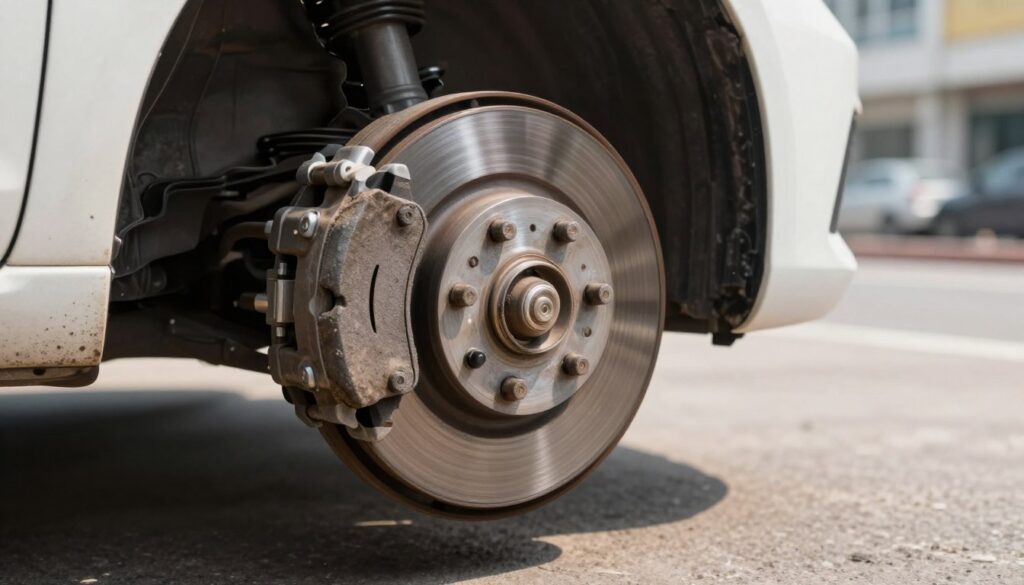
If you ignore this sign, the sound might turn into a harsh grinding. This means the pads are worn out, and the metal is rubbing against the rotor. This is dangerous and needs quick help from a mechanic to avoid more damage.
Vibrations When Braking
A vibration or pulsation in the brake pedal is another sign of trouble. A good brake system should feel smooth. But if you feel a thumping or shaking, it could mean your rotors are warped.
“Regular maintenance is the cornerstone of vehicle safety; ignoring the subtle feedback from your brake pedal is a gamble no driver should take.”
Warning Lights on Your Dashboard
Today’s cars have sensors to check your brake pads. When the pads get too thin, a light on your dashboard will turn on. Don’t ignore these lights, as they’re a last chance to get your brakes fixed before they fail.
| Symptom | Potential Cause | Urgency Level |
|---|---|---|
| High-pitched squeal | Worn wear indicator | Moderate |
| Grinding metal sound | Pads completely gone | Critical |
| Pedal vibration | Warped rotors | High |
| Dashboard light | Sensor trigger | High |
By watching for these signs, you keep your car safe. Fixing a car squeaking noise when braking early saves money and trouble. Always listen to these warnings to drive safely and smoothly.
The Impact of Ignoring Squeaking Noises
Drivers often delay getting their brakes checked, not realizing a squeak can lead to big repair bills. Ignoring brake pad wear can turn a simple service into a costly mechanical failure. Fixing these issues early keeps your passengers safe and saves money on your car.
Safety Risks Associated with Worn Brake Pads
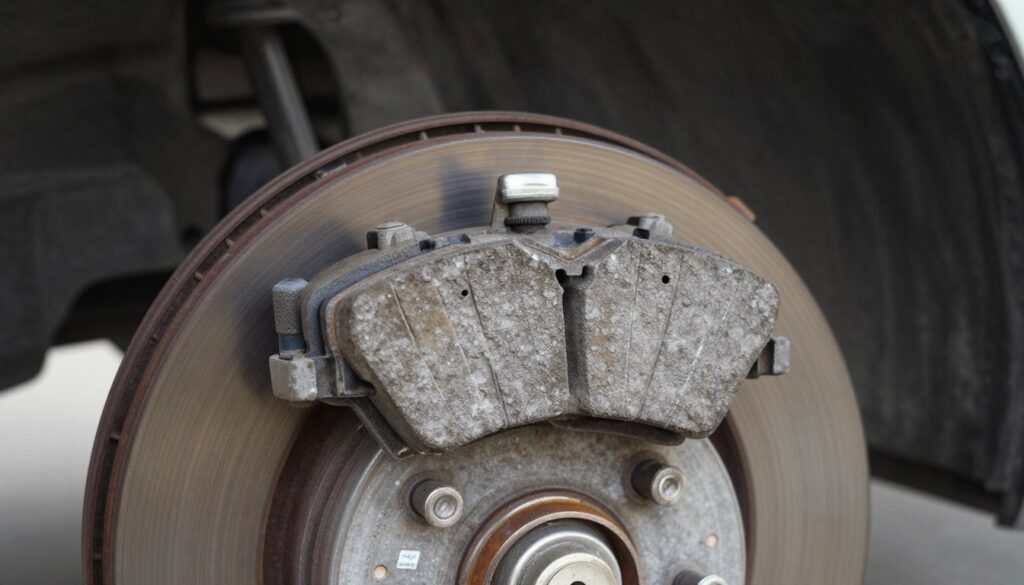
Ignoring your brakes can make stopping harder. Thinner brake pads mean you need more space to stop, raising accident risks. Your safety depends on your brakes working right.
“An ounce of prevention is worth a pound of cure when it comes to vehicle safety and maintenance.”
Driving with worn-out brakes is risky. Never risk your safety by not stopping properly in traffic or emergencies.
Potential Damage to Other Brake Components
Not replacing brake pads on time can cause common brake issues. Without pads, the metal backing plate rubs against the rotor. This can damage the rotor and require a new one.
Driving with damaged brakes can harm your calipers and brake lines too. Replacing these parts is much more expensive than just the pads. Regular maintenance saves you from these big costs.
How to Inspect Your Brake Pads
Checking your car’s brakes is easy and can be done at home. It only takes a few minutes to look over your parts. This helps you spot wear early, avoiding big safety issues. Whether you drive a daily car or look at the best SUVs 2026, staying alert is key to keeping your car reliable for a long time.
Visual Inspection Techniques
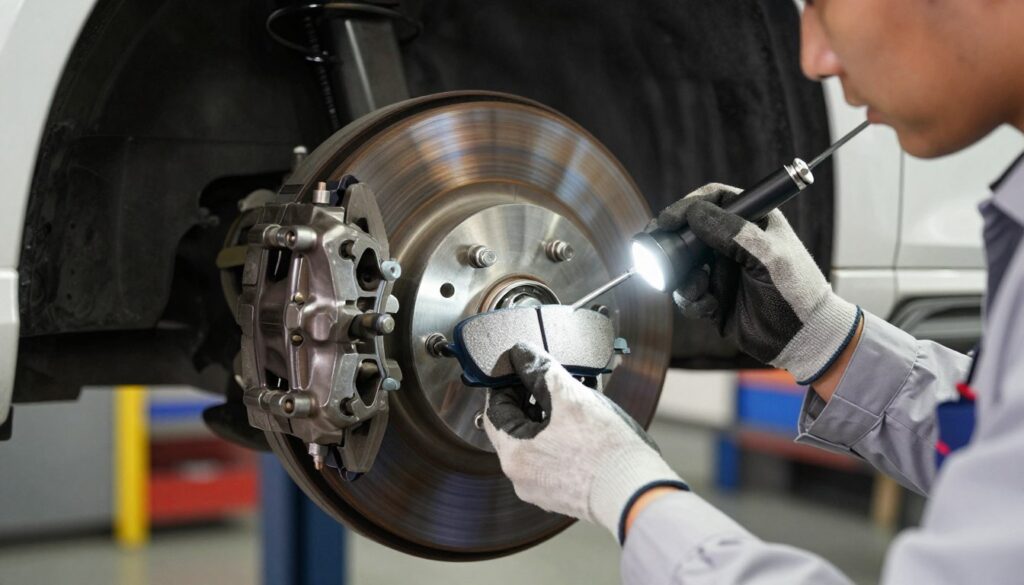
Looking at your pads is the simplest way to check them. If your wheels have open spokes, you can see the pads without taking off the tire. Look for the thick layer of friction material on the metal backing plate.
Use a flashlight to see how thick the pad is. If it’s thinner than a quarter-inch, it’s time to replace it. Make sure your car is parked on a flat surface and the engine is off before you start.
Listening for Unusual Sounds
Listening to your car’s sounds is important for brake noise diagnosis. Some sounds are normal, but others mean your pads need to be replaced.
“The sound of your brakes is the vehicle’s way of communicating its health; ignoring these signals is a gamble no driver should take.”
It’s vital to know when your brakes are working right and when they’re not. Here’s a guide to help you understand what your brakes are telling you during your next drive.
| Sound Type | Potential Cause | Action Required |
|---|---|---|
| High-pitched squeal | Wear indicator rubbing | Schedule inspection |
| Deep grinding noise | Metal-on-metal contact | Immediate repair |
| Occasional clicking | Loose hardware | Check brake clips |
| Consistent silence | Healthy operation | Continue routine checks |
By following these simple steps, you can keep your car in good shape. Regular checks mean you won’t be surprised by brake failure while driving.
When to Seek Professional Help
Your safety on the road depends on knowing when your car needs expert help. Some tasks you can do at home, but others need a brake repair service to keep your car safe.

Signs That Indicate Immediate Attention
Ignoring small signs can lead to big problems. You should get a professional check if you see any of these signs:
- Burning smells: A sharp, chemical smell near your wheels means something is overheating.
- Pulling to one side: If your car pulls when you brake, it’s not braking evenly.
- Grinding sounds: Grinding metal sounds mean your brake pads are worn out.
- Spongy pedal feel: A pedal that feels soft could mean a leak or air in the lines.
If you notice these signs, a detailed car brake inspection is needed. This can prevent damage to your rotors or calipers. Don’t wait, as your brakes are key to your safety.
Choosing a Reliable Mechanic
Finding the right mechanic is as important as the repair. You need someone who specializes in brake noise diagnosis to find the problem.
When picking a service center, look for these essential qualities:
- Factory-trained technicians: Experts who know your car’s specific needs.
- Advanced diagnostic tools: Shops with modern tools for accurate brake noise diagnosis and testing.
- Transparent communication: A good mechanic will explain your car brake inspection findings before starting work.
Choosing a trusted brake repair service means your car is in good hands. Look for shops that offer warranties on parts and labor for lasting reliability.
The Brake Pad Replacement Process
Learning how to replace brake pads can stop annoying squeaks and uneven wear. We take careful steps to keep your car stopping well after the job is done.
Steps Involved in Replacing Brake Pads
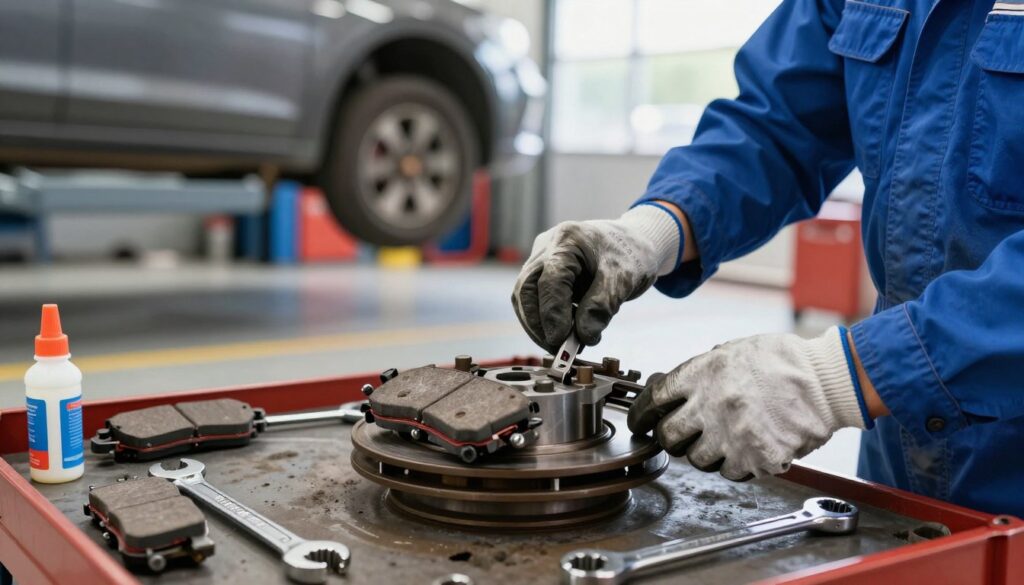
First, we lift the car and take off the wheels to get to the brakes. Then, we remove the caliper and pull out the old pads to check the rotor.
Replacing brake pads also means meticulous lubrication. We use high-temperature grease on the caliper pins and new pads’ backing plates. This helps prevent squeaks and vibrations.
Tools You Will Need
Having the right tools is key for a top-notch Brake Pad Replacement. The wrong tools can damage parts or mess up the pad installation.
Before starting, make sure you have these items:
- C-clamp or brake caliper tool to compress the piston.
- A set of wrenches and sockets for removing caliper bolts.
- Brake cleaner spray to clean off dust and dirt.
- High-temperature brake lubricant for the contact points.
- A torque wrench to tighten bolts right.
By following these steps and using the right tools, you ensure a top-quality Brake Pad Replacement. Safety is our top priority, and a good job gives you peace of mind on the road.
DIY vs. Professional Brake Pad Replacement
Choosing between DIY brake maintenance and hiring a pro is a big decision. It depends on your mechanical skills, tools, and comfort with car safety. A Brake Pad Replacement needs precision to ensure your car stops safely.

Pros and Cons of DIY Replacement
DIY can save you a lot of money. You buy parts and do the work yourself, avoiding shop rates. You can also pick high-performance parts not found in shops.
But, DIY Brake Pad Replacement is risky if you’re not trained. Wrong installation can cause uneven wear, noise, or brake failure. You’ll also need special tools and a lot of time.
When to Leave It to the Experts
Some braking systems are too complex for DIY. If your car has advanced brakes, calipers, or stability control, get a pro. These systems need special software to reset or calibrate right.
Letting a certified tech handle your car is safer. They know how to spot problems missed in a Brake Pad Replacement. For safety, the cost of a pro’s expertise is worth it.
| Feature | DIY Approach | Professional Service |
|---|---|---|
| Cost | Lower (Parts only) | Higher (Labor + Parts) |
| Time Required | High (Learning curve) | Low (Efficient) |
| Safety Assurance | Dependent on skill | Guaranteed/Warrantied |
| Tool Needs | Requires investment | Fully equipped |
Cost Factors for Brake Pad Replacement
Understanding the cost of brake pad replacement is key for car owners. Knowing the brake pad replacement cost helps you plan for car maintenance. This way, you can avoid unexpected expenses.
Average Costs in the United States
In the U.S., the cost for brake pad replacement is usually between $150 and $300 per axle. This includes the parts and the labor needed for installation.
Remember, the cost can vary depending on your car’s make and model. Luxury or high-performance cars might need special parts. This can make the brake pad replacement cost higher.
Factors Affecting Replacement Prices
Several things can change the final price you pay. The type of brake pads you choose is a big factor. Ceramic pads are more expensive but last longer.
The complexity of the job also affects the price. If your rotors need work, it can increase the cost. You can find out more about these issues at why squeaky brakes happen.
Your driving habits also play a role in costs. Aggressive braking can cause glazing, which makes noise and reduces performance. Smooth braking helps your Brake Pad Replacement last longer and saves money.
Selecting the Right Brake Pads
Finding the right brake parts can be tricky, aiming to avoid common brake issues. It’s key to pick the right parts for performance, durability, and quietness. Knowing the materials helps keep your car safe and reliable.
Types of Brake Pads Available
There are three main brake pad types: organic, ceramic, and metallic. Organic pads are cheap and quiet, great for daily driving. But, they wear out quicker.
Ceramic pads are cleaner and quieter, with better heat control. Metallic brake pads are for those who love to drive fast. Some might make more noise, but that’s normal, not a problem.
Matching Pads to Your Driving Style
Your driving style should guide your pad choice. For city driving, look for pads that stop well and don’t make dust. Ceramic pads are best for comfort.
For fast driving or heavy loads, metallic pads are better. They last longer and handle heat well. If you hear odd noises, it might be normal or a sign of trouble. Always choose parts that fit your car’s needs.
Learn more about why new brakes squeak to know the difference. Your safety comes first, so pick the right parts.
Maintaining Your New Brake Pads
After installing new brake pads, you have a big role in keeping them working well. By sticking to brake maintenance tips, your car will stop safely and smoothly for a long time.
Tips for Longevity
Changing how you drive can really help your brake pads last longer. Try not to press the brake and gas pedals at the same time. This habit can cause your brakes to wear down faster.
Instead, slow down by coasting when it’s safe to do so. This method reduces brake pad wear and keeps your brakes cooler. If you hear your new brakes squeaking, fix the problem right away. Waiting can make it worse.
Regular Inspection Routines
It’s a good idea to check your brakes regularly. This helps catch small problems before they get big.
Check your pads every time you get your tires rotated or oil changed. This way, you can keep an eye on brake pad wear and make sure everything is in good shape. Consistency is the key to keeping your brakes safe and effective.
Conclusion: Ensuring Safe Driving with Proper Brake Maintenance
Your car has many parts that work together to stop safely when you press the brake pedal. Keeping these parts in good shape is key to keeping you and your passengers safe.
Listening for odd sounds can help you catch small problems early. This way, you can avoid big, costly repairs. You can find out why brakes squeak at low speeds by doing regular checks and cleaning. This helps your car run better and makes your rotors and calipers last longer.
If you’re not sure about your brakes, get a professional to check them. They can spot hidden wear or dirt that you might miss. A good brake repair service makes sure your car meets safety standards.
By taking care of your car’s maintenance, you ensure it works well for a long time. Using top-quality parts and following the maker’s advice gives you peace of mind. So, focus on driving and let the experts handle the maintenance.
Maintaining Your New Brake Pads
What Are Brake Pads?
Brake pads are key to your car’s braking system. When you press the brake pedal, they press against the rotors. This creates friction to slow or stop your car. At our shop, we use top brands like Brembo and Akebono, designed to handle the heat.
Importance of Brake Pad Maintenance
Regular brake checks are vital for your safety. Over time, brake pads wear down. If they get too thin, they can damage the rotors, leading to poor braking and high repair costs. A proactive brake inspection keeps your car safe in emergencies.
Worn Out Brake Pads
A common cause of squeaking is worn-out brake pads. Most pads have a metal tab that scrapes against the rotor when they’re low. This high-pitched squeal means it’s time for new pads.
Dust and Debris Build-Up
Sometimes, squeaking is due to dust or debris. Trapped between the pad and rotor, it can cause a persistent squeak. A professional service can clean these components to stop the noise.
Moisture and Weather Conditions
Moisture can cause a squeak that goes away after a few stops. Rain or high humidity can rust the rotors overnight. The pads scrub off this rust, causing the squeak. This is usually not a sign of a mechanical problem.
Squeaking or Squealing Noises
A persistent squeal while braking is a warning sign. If the sound doesn’t change with the weather, it’s a clear sign of wear. We suggest getting a brake noise diagnosis as soon as you notice this.
Vibrations When Braking
Vibrations in the brake pedal or steering wheel indicate a problem. This could be warped rotors or uneven pads. Our team uses tools to check for these issues and determine if rotors need replacing.
Warning Lights on Your Dashboard
Modern cars have sensors that light up the dashboard when the brakes need attention. Whether it’s the ABS light or a brake wear indicator, ignoring these alerts can be dangerous. They’re a first line of defense against brake failure.
Safety Risks Associated with Worn Brake Pads
Ignoring brake issues can be dangerous. Worn pads increase stopping distance and can lead to a loss of braking power. We ensure your brakes work efficiently for your safety.
Potential Damage to Other Brake Components
A squeak can quickly turn into a serious problem. Without pads, the metal backing can damage the rotors. This can make a simple replacement much more expensive.
Visual Inspection Techniques
You can check your brake pads yourself. Look through the wheel spokes to see the pads against the rotors. If they’re less than 1/4 inch thick, it’s time for new ones. We use gauges for precise measurements.
Listening for Unusual Sounds
Listen to your car in a quiet place. A deep grinding noise means the pads are worn out and damaging the rotors. This is a sign you need professional help.
Signs That Indicate Immediate Attention
If your car pulls to one side when braking or the pedal feels spongy, seek help fast. These signs indicate serious issues that make your car unsafe.
Choosing a Reliable Mechanic
Choose ASE-certified technicians for brake repairs. We use premium parts and are transparent about the work needed. This ensures you understand the repairs before they start.
Steps Involved in Replacing Brake Pads
Replacing brake pads involves more than just swapping parts. We lift the car, remove wheels, and clean everything. We then install new pads and perform a bedding-in procedure for optimal performance.
Tools You Will Need
For DIY, you’ll need a floor jack, jack stands, and a lug wrench. You’ll also need a C-clamp or caliper tool and a socket set. Without the right tools, DIY jobs can lead to noise or uneven wear.
Pros and Cons of DIY Replacement
DIY can save money but requires mechanical skill. Mistakes can be dangerous. Professionals have the tools and knowledge to do the job right.
When to Leave It to the Experts
If your car has complex systems, leave the job to professionals. They have the right tools and software to avoid damaging expensive parts.
Average Costs in the United States
Brake pad replacement costs 0 to 0 per axle in the U.S. Costs vary by location and vehicle type. Luxury cars and trucks usually cost more due to specialized parts.
Factors Affecting Replacement Prices
Several factors affect the cost. These include the type of friction material and whether rotors need replacing. We provide detailed estimates after diagnosing the issue.
Types of Brake Pads Available
There are three main types: Organic, Semi-Metallic, and Ceramic. Ceramic pads are quiet and low-dust, making them ideal for daily drivers. Semi-metallic pads are better for heavy vehicles or performance driving but can be noisier.
Matching Pads to Your Driving Style
We match pads to your driving habits. For mountain driving or towing, semi-metallic pads are best. For a quiet city commute, ceramic pads are the best choice.
Tips for Longevity
Avoid resting your foot on the brake pedal and try to coast to a stop. These habits can extend your brake pad life by thousands of miles.
Regular Inspection Routines
Have your brakes checked every time you get your tires rotated. This is usually every 5,000 to 7,500 miles. It helps catch wear patterns early, which might indicate a problem.

Hi! I’m Moheen Iftikhar, the person behind «CarCruisei». I’m deeply interested in the automotive world, from new car trends and advanced vehicle technology to useful driving advice. On this platform, I publish informative car reviews, expert insights, and practical tips to keep every car enthusiast informed and inspired.