

Car Fluid Levels: How to Check Transmission Fluid Level Correctly
Keeping your car in good shape is key. Knowing about Car Fluid Levels is a must for every driver. It helps avoid early wear and expensive repairs.
Learning how to check transmission fluid level correctly is empowering. This guide shows you how to do it right. By following these steps, you can keep your engine running well for a long time.
Key Takeaways
- Regular inspections prevent expensive transmission repairs.
- Proper maintenance extends the overall lifespan of your vehicle.
- Monitoring systems early helps identify possible leaks or contamination.
- Consistent checks ensure optimal performance during daily commutes.
- Professional guidelines simplify complex automotive tasks for every owner.
Understanding the Importance of Transmission Fluid
Your transmission needs a special fluid to work right. This fluid is like the blood of your car’s drivetrain. It makes sure every gear shift is smooth and efficient. Checking your Car Fluid Levels is key to keeping your car running well and avoiding early wear.
What is Transmission Fluid?
Transmission fluid is a special mix that keeps the metal parts in your transmission moving smoothly. It helps transfer energy to shift gears and keeps everything running smoothly. Just like picking the right synthetic motor oil for your engine, the right transmission fluid is vital for your car’s long life.
Why is Transmission Fluid Important?
This fluid does more than just lubricate. It also cools your transmission. As parts move, they get hot, and the fluid takes away this heat to prevent overheating. Proper maintenance keeps your transmission safe from wear and tear.
“A well-maintained transmission system is the difference between a reliable daily driver and an expensive repair bill at the mechanic’s shop.”
Signs of Low Transmission Fluid
Spotting low fluid levels early can prevent big problems. When Car Fluid Levels are low, your car might show some signs:
- Puddles beneath the car: Red or brown spots on your driveway often indicate a leak.
- Delayed engagement: A noticeable hesitation when shifting from park to drive.
- Lack of power: The engine may rev high, but the vehicle fails to accelerate as expected.
- Grinding noises: Unusual sounds during gear changes suggest metal-on-metal contact.
Tools You Need for Checking Transmission Fluid
Starting with the right tools is key for car maintenance tips. Many cars today have sealed transmissions without a dipstick. In these cases, you might need a pro to keep the system safe and clean.
Basic Tools Required
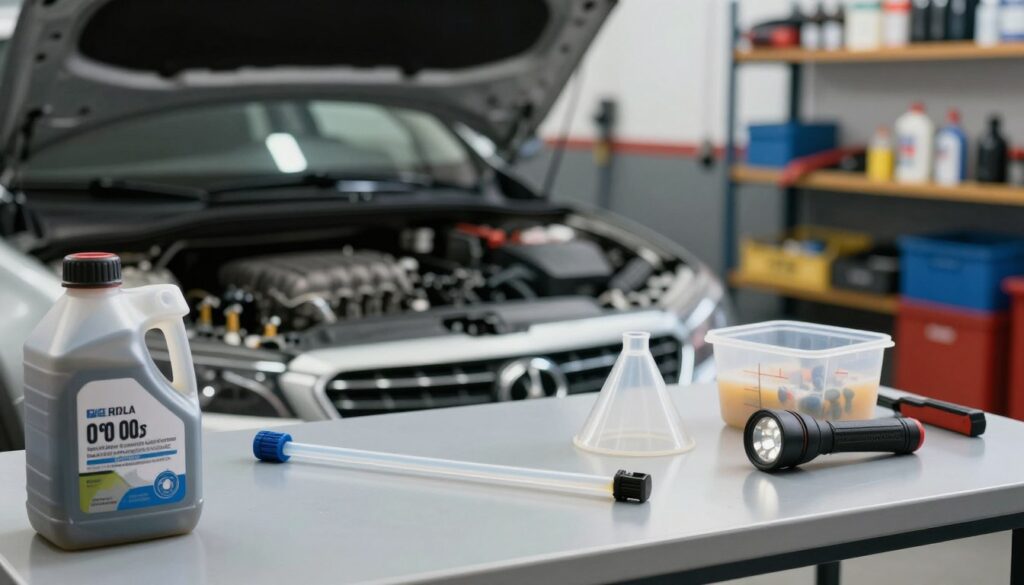
For cars with a dipstick, you’ll need a few basic items. Always have a clean, lint-free cloth ready to wipe the dipstick. This helps you see the fluid color right. A dirty cloth can harm your transmission.
Wear gloves and safety glasses to protect yourself from hot fluids. Also, keep your car’s manual nearby. It has specific instructions for your car.
Optional Tools for Ease
While the basics are enough, some tools can make things easier. A good LED flashlight shines light into dark engine bays. A long-neck funnel is useful if you need to add fluid.
An inspection mirror is great for reaching tight spots. These car maintenance tips help you stay efficient during checks.
| Tool Name | Category | Primary Purpose |
|---|---|---|
| Lint-free Cloth | Essential | Cleaning the dipstick |
| Owner’s Manual | Essential | Reference procedures |
| LED Flashlight | Optional | Improving visibility |
| Long-neck Funnel | Optional | Adding fluid safely |
Step-by-Step Guide to Checking Transmission Fluid
Learning how to check transmission fluid level correctly is key to a smooth ride. This simple task can save you from expensive repairs and keeps your car shifting gears smoothly.
Preparing Your Vehicle
First, park your car on a perfectly level surface. This ensures an accurate reading. Next, engage the parking brake firmly to keep the car in place.
Start the engine and let it warm up. Most cars need the engine to be warm for an accurate reading. Make sure the transmission is in Park or Neutral while the engine is running.
“Regular maintenance is the single most effective way to extend the life of your vehicle’s transmission system.”
Locating the Transmission Dipstick
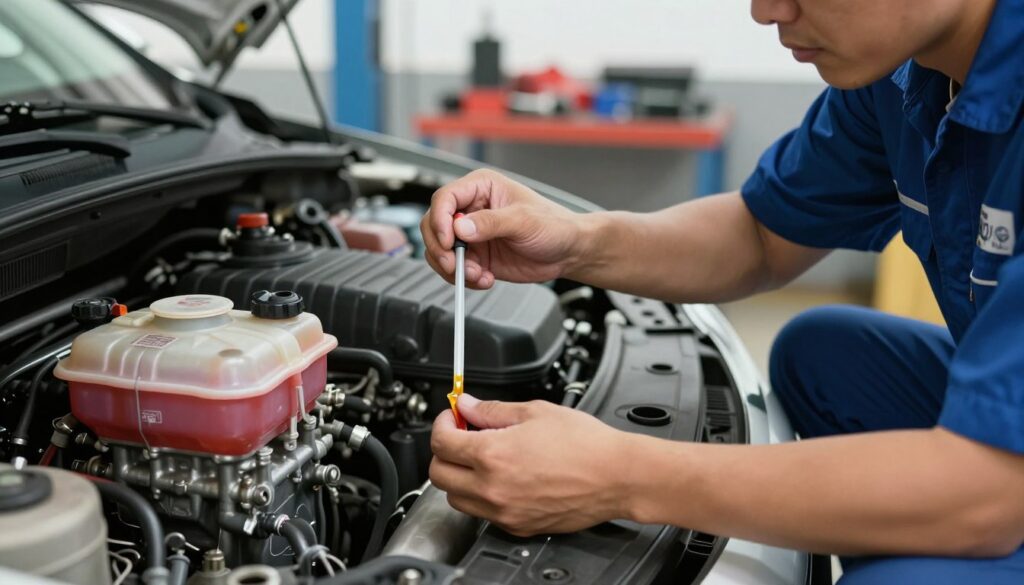
Open the hood and find the transmission dipstick. It’s often colored red or yellow to stand out from the engine oil dipstick.
If it’s hard to find, check your owner’s manual. It’s usually at the back of the engine bay or near the firewall.
Checking the Fluid Level
To check the fluid level correctly, use a clean, lint-free rag. Here’s how to do it right:
- Pull the dipstick out completely and wipe it clean with your rag.
- Put the dipstick back in fully and pull it out again.
- Look at the fluid level against the markings on the dipstick.
- Make sure the fluid is between the “Full” and “Add” marks.
If the level is low, add a bit of the recommended fluid. Check the fluid’s color and smell while the dipstick is out. This ensures it’s in healthy condition.
Temperature Considerations for Accurate Measurement
When you do a vehicle fluid inspection, temperature is key. Many think checking fluid levels is simple, but it’s not. The properties of transmission fluid change with temperature. This can lead to wrong readings that hide serious problems.
Cold vs. Hot Fluid Levels
Transmission fluid expands when it gets hot and shrinks when it cools. If you check it when the engine is cold, the level will seem lower. But, if you check it right after driving, it might seem too high because of the heat.
“Precision in maintenance is the difference between a vehicle that lasts for decades and one that fails prematurely.”
So, knowing the proper way to check transmission fluid is critical. Before you start, check your car’s history. This is important, as it helps you understand what your car needs. You can find out more about reliable used cars and their history to meet your car’s specific needs.
Ideal Temperature Range for Checking
Most car makers say to check the fluid when the transmission is at normal operating temperature. This means driving for at least ten to fifteen minutes in different traffic. Just idling in your driveway isn’t enough to get the right temperature.
Always look at your owner’s manual for the right temperature range for your car. Some cars need a special tool to check the transmission temperature. Following these steps helps you get a true picture of your transmission’s health.
Understanding Fluid Color and Consistency
Your transmission fluid is like the lifeblood of your car’s gearbox. Its color tells you a lot about your vehicle’s health. By checking it regularly, you can spot problems early. Following transmission fluid best practices helps keep your car running well for a long time.
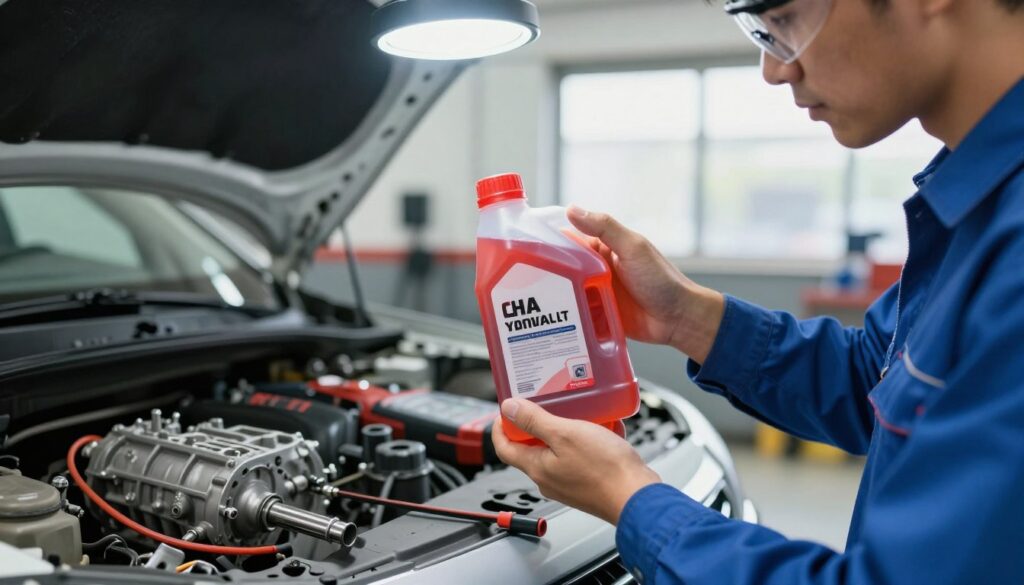
What Healthy Transmission Fluid Looks Like
Fresh transmission fluid is usually bright red or pinkish. It should be clear, with no particles or cloudiness. When you pull the dipstick, the fluid should flow smoothly and be thin.
A slightly darker red is normal as the fluid ages. But it should never lose its red color or become cloudy. Keeping it clear is key to transmission fluid best practices, showing that your gears are protected.
Signs of Contamination
If the fluid turns muddy brown or deep black, it’s a bad sign. Dark fluid often smells burnt, meaning your transmission has been too hot. You’ll need to get it flushed or changed, like an engine oil service.
Also, if you see metal shavings or debris on the dipstick, your transmission is wearing out. These particles can damage your car’s parts. Paying attention to these signs and getting expert advice is part of transmission fluid best practices.
| Fluid Condition | Color | Consistency | Action Required |
|---|---|---|---|
| Healthy | Bright Red | Thin/Translucent | None |
| Aged | Dark Red | Slightly Thick | Monitor Closely |
| Contaminated | Brown/Black | Gritty/Burnt | Immediate Change |
How to Add Transmission Fluid Safely
Keeping your car’s fluids in check is key to its longevity and performance. If you notice your transmission fluid is low, it’s important to add it carefully. This protects your car’s gearbox.

Recommended Types of Transmission Fluid
Always check your owner’s manual to find out what fluid your car needs. Using the wrong fluid can cause serious damage or void your warranty.
Car makers often make transmissions to work with special fluids. While some aftermarket products seem universal, it’s best to use the recommended brand. This ensures your car runs well for a long time.
| Fluid Type | Common Application | Key Characteristic |
|---|---|---|
| ATF+4 | Chrysler/Dodge/Jeep | High thermal stability |
| Dexron VI | General Motors | Low viscosity efficiency |
| Mercon V | Ford/Lincoln | Anti-wear protection |
Step-by-Step Guide to Adding Fluid
First, make sure your engine is off and your car is parked on level ground. Clean the area around the dipstick tube well. This prevents dirt from getting into the transmission.
Put a clean, long-necked funnel into the dipstick tube. Add fluid slowly, starting with a few ounces at a time. Never overfill the reservoir, as too much fluid can cause problems.
Wait a bit after adding fluid for it to settle. Then, check the level with your dipstick. Make sure it’s at the right mark. Regular car fluid maintenance keeps your transmission running smoothly for years.
Common Transmission Fluid Issues
Your car’s transmission needs the right amount of fluid to work well. Checking the transmission fluid level regularly can spot problems early. If the levels are off, your car’s drivetrain might suffer.
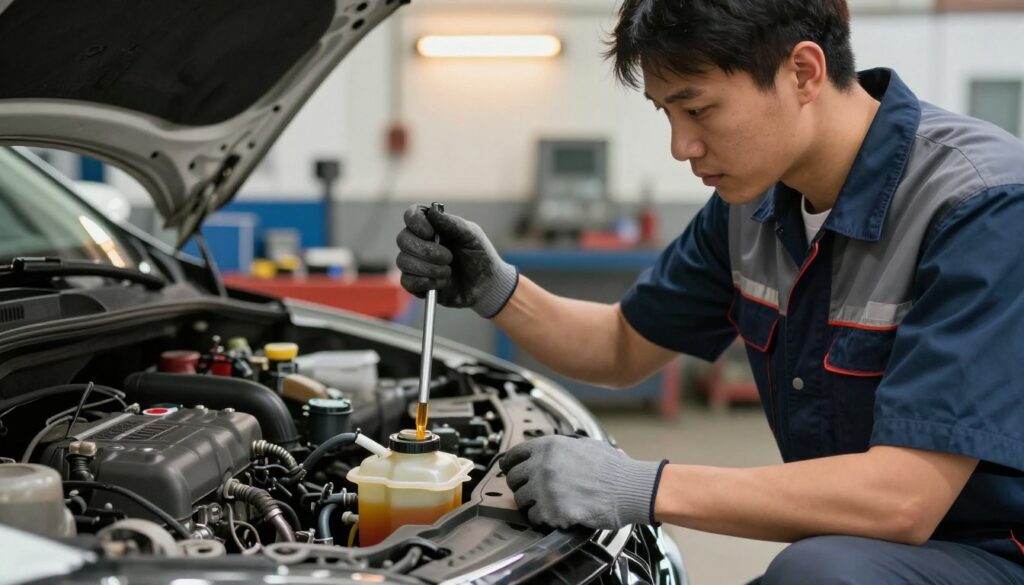
What Does Low Fluid Indicate?
Low fluid in your transmission fluid level check usually means a leak. This could be a worn seal, a damaged gasket, or a loose cooling line.
Ignoring low fluid levels can cause big problems. Insufficient lubrication can lead to high heat. This can damage your transmission in many ways.
- Premature wear on clutch packs and gears.
- Increased friction leading to metal shavings in the fluid.
- Complete transmission failure over time.
“Proper fluid maintenance is the single most effective way to extend the life of an automatic transmission and ensure smooth gear transitions.”
Consequences of Overfilling Transmission Fluid
Too much fluid in your transmission is just as bad as too little. Excess fluid can whip air into the mix.
This creates foaming, which stops the fluid from working right. You might see weird shifting or overheating if you’ve overfilled.
- Erratic or delayed shifting patterns.
- Fluid leaking from the vent tube.
- Overheating due to the loss of cooling properties.
Always check your transmission fluid level on level ground. If you think you’ve added too much, drain it right away to keep your car running well.
Frequency of Checking Transmission Fluid
Creating a regular schedule for vehicle fluid inspection is key to keeping your transmission in good shape. It helps catch small problems before they turn into big, costly repairs.

How Often Should You Check?
We suggest checking your transmission fluid every time you change your engine oil. This way, it becomes a part of your routine maintenance. It ensures you never forget to check this important part.
If you’re not sure how often to check for your car, check your owner’s manual. You can also learn more about checking and maintaining your car’s fluids. Consistency is key for keeping your car running well for years.
Factors Influencing Checking Frequency
While a regular schedule is good for most, some driving conditions need more frequent checks. If you often drive in heavy traffic, tow trailers, or face extreme temperatures, your car works harder.
This harder work can make the fluid break down faster, leading to more heat and friction. Monitoring your fluid levels more often in these situations helps catch problems early. Always adjust your maintenance to fit your driving habits.
When to Seek Professional Help
Even with the best transmission fluid best practices, sometimes your car needs a pro. Routine checks are key, but some problems need special tools. Knowing when to call a technician is important for car care.
Signs You Need a Mechanic
Look for signs like slow shifting or grinding noises. These mean your transmission might be wearing out. Ignoring these signs can cause big problems.
Also, if you see red or brown fluid under your car, it’s a leak. Even if you know about transmission fluid best practices, a mechanic can find the leak’s source.
What a Mechanic Will Look For
A technician will scan your car for hidden problems. They use special tools for a deep clean. This keeps your transmission running smoothly.
| Service Type | DIY Capability | Professional Benefit |
|---|---|---|
| Fluid Level Check | High | Verification of accuracy |
| System Flush | Low | Deep cleaning of internal components |
| Leak Diagnosis | Moderate | Precision seal and gasket repair |
| Electronic Diagnostics | None | Advanced computer error analysis |
Following transmission fluid best practices is good, but sometimes you need a mechanic. They ensure your car is safe and reliable.
Maintenance Tips for Smooth Transmission Operation
Keeping your transmission in top shape is key to its longevity. By following car maintenance tips regularly, you can dodge unexpected breakdowns and expensive fixes. Keeping track of your car’s service history helps keep all parts in great condition.
Regular Fluid Changes
Following the recommended service schedule is the best way to protect your transmission. Your service manual will tell you when to change the fluid, based on how you drive. Consistency is key for keeping your transmission’s gears and seals in good shape.
If you’re not sure when to change your transmission fluid, you can check the levels. Fresh fluid keeps everything running smoothly. Skipping these changes can cause serious damage that’s hard to fix.
Monitoring for Leaks
Spotting leaks early is a big part of our car maintenance tips. Look under your car for any signs of fluid leaks. Even a small leak can mean a problem that needs fixing right away.
Try placing cardboard under your car overnight to catch leaks. If you see any spots, don’t ignore them. Low fluid can cause your transmission to overheat. Fixing it early can save you a lot of money.
| Maintenance Task | Frequency | Primary Benefit |
|---|---|---|
| Fluid Level Check | Monthly | Prevents Overheating |
| Full Fluid Flush | Per Manual | Removes Contaminants |
| Leak Inspection | Weekly | Early Damage Prevention |
| Filter Replacement | Every 30k Miles | Improves Flow |
By making these car maintenance tips a part of your routine, you keep your car running well. Taking care of your car today means a better driving experience tomorrow.
Conclusion: Keeping Your Transmission Healthy
Your car uses a system of gears and oil to move. Keeping the fluids at the right level is key to avoiding damage.
Make it a habit to check your fluids regularly. This simple step can prevent big problems with your transmission. It’s a way to take care of your car every day.
Good car care means your engine and transmission work well together. Following the recommended service schedule from Ford, Toyota, or Honda helps a lot. It keeps your car running smoothly for a long time.
If you notice anything off, like strange noises or leaks, get it checked. Early action can save you a lot of money. We want you to be able to drive without worry, thanks to this guide.
Maintenance Tips for Smooth Transmission Operation
What is Transmission Fluid?
Transmission fluid is the lifeblood of your car’s gearbox. It’s a vital fluid that helps gears shift smoothly and protects the inside parts from damage. Whether you drive a Ford Explorer or a Honda Civic, this fluid is key for the transmission to work right.
Why is Transmission Fluid Important?
This fluid also acts as a coolant. It helps to cool down the car during use, preventing it from getting too hot. Without it, the car’s parts can get damaged by heat.
Signs of Low Transmission Fluid
Look out for signs that your fluid levels are low. You might see puddles of red fluid under the car, feel a lack of power when speeding up, or have trouble shifting gears. Ignoring these signs can lead to big problems.
Basic Tools Required
To check the fluid, you’ll need a few basic tools. A clean, lint-free cloth or a good paper towel like Scott Shop Towels is essential. Using a dirty rag can harm the car’s system.
Optional Tools for Ease
Most cars have a dipstick for checking fluid. But some newer cars, like BMW or Mercedes-Benz, have sealed transmissions. If your car doesn’t have a dipstick, you’ll need a professional to check the fluid.
Preparing Your Vehicle
First, park your car on a level surface. Start the engine and let it warm up. This makes sure the fluid level is accurate.
Locating the Transmission Dipstick
With the engine running, find the dipstick handle. It’s usually red or yellow and located in the engine bay. It’s further back than the oil dipstick.
Checking the Fluid Level
Take out the dipstick, wipe it clean, and put it back in. Pull it out again to see the fluid level. It should be between the “Hot” or “Full” marks on the dipstick.
Cold vs. Hot Fluid Levels
Transmission fluid expands when it gets hot. A cold reading will always be lower than a hot one. Most dipsticks have marks for both temperatures.
Ideal Temperature Range for Checking
For the most accurate reading, check the fluid after a 10-to-15-minute drive. This reflects the fluid’s state during driving. Checking at the wrong temperature can give a wrong idea of your car’s health.
What Healthy Transmission Fluid Looks Like
New transmission fluid is a bright red color. Used fluid might be a bit darker, but it should not be muddy or black. This indicates contamination.
Signs of Contamination
If the fluid looks muddy brown or black, or smells burnt, it’s contaminated. A milky appearance means coolant is mixed in. In these cases, you need a professional flush or fluid change right away.
Recommended Types of Transmission Fluid
Always use the right fluid for your car, like Dexron VI for General Motors cars or Mercon V for Ford models. The wrong fluid can damage the transmission.
Step-by-Step Guide to Adding Fluid
If the level is low, use a long-neck funnel to add fluid slowly. Be careful not to overfill, as this can also harm the system.
What Does Low Fluid Indicate?
Low fluid usually means there’s a leak. Transmissions don’t use fluid like engines do. Finding and fixing leaks early can save money and keep your car running well.
Consequences of Overfilling Transmission Fluid
Too much fluid can make it foam. This foam can’t provide the needed pressure, causing erratic shifting and overheating.
How Often Should You Check?
Check the fluid regularly, like during your oil change. Doing this every 3,000 to 5,000 miles helps catch small leaks before they get big.
Factors Influencing Checking Frequency
If you do a lot of heavy towing or city driving, check the fluid more often. Harsh driving conditions can break down the fluid faster.
Signs You Need a Mechanic
If you have shifting issues, strange noises, or the fluid keeps dropping, see a certified mechanic. These signs often mean there’s a bigger problem.
What a Mechanic Will Look For
A mechanic can do more than a DIY check. They can do a full system flush or a computer scan. They’ll also check for metal shavings in the transmission pan, which means wear and tear.
Regular Fluid Changes
Follow your car’s service manual for fluid changes. While some cars might not need it, most experts say to change it every 60,000 to 100,000 miles for the best performance.
Monitoring for Leaks
Look for leaks in your driveway or garage once a week. Catching a small transmission leak early can save you a lot of money and keep your car running smoothly.

Hi! I’m Moheen Iftikhar, the person behind «CarCruisei». I’m deeply interested in the automotive world, from new car trends and advanced vehicle technology to useful driving advice. On this platform, I publish informative car reviews, expert insights, and practical tips to keep every car enthusiast informed and inspired.