

Tire Pressure Reset: How to Fix Low Tire Pressure Light on Dashboard
Keeping your tires at the right pressure is crucial for your safety and how well your car runs. If the dashboard tire pressure light comes on, it’s a big warning. It means your tires might need checking right away.
Not paying attention to this light can cause your tires to wear unevenly. It can also make your car use more fuel. We’ll show you how to reset the tire pressure light and fix these issues easily.
If you see other warning lights, you might need to clear a check engine light too. This keeps your car running well. We aim to help you fix low tire pressure light problems fast. So, you can drive with confidence again.
Key Takeaways
- Proper inflation improves overall vehicle safety and handling.
- The warning indicator alerts you to possible air loss in your wheels.
- Addressing alerts quickly stops early wear and saves fuel.
- Our guide makes it easy to clear system warnings.
- Regular maintenance keeps your vehicle in great shape.
Understanding the Low Tire Pressure Light
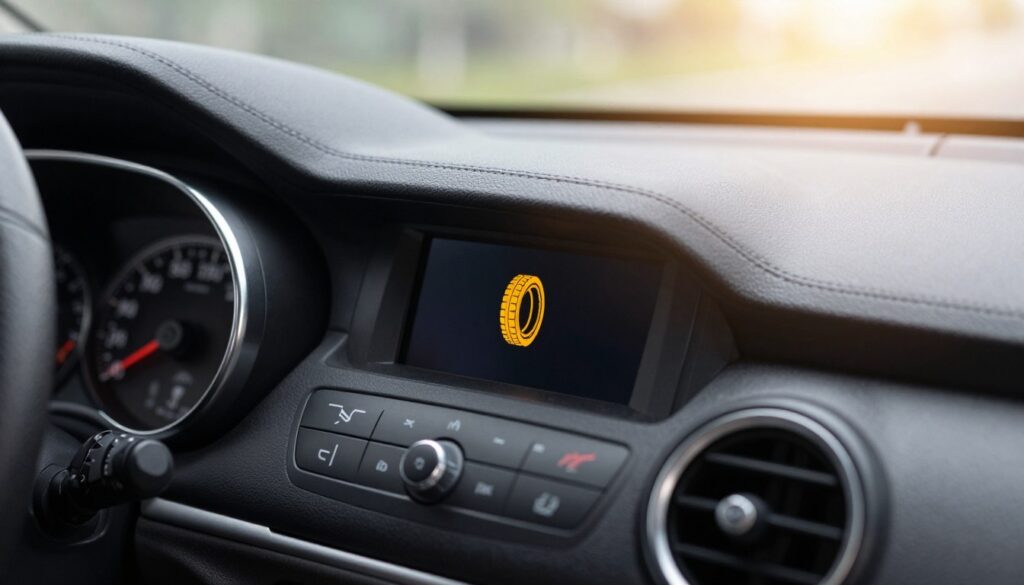
We often ignore the small icons on our dashboard until they light up. The dashboard tire pressure light is a key warning. It checks your tire air levels to keep your car stable and efficient.
What Does the Light Mean?
The low tire pressure warning means your tire pressure is too low. This is a safety feature that became common in the US in 2000. It’s to prevent tire failures on the road.
Common Reasons for Activation
The low tire pressure indicator can light up for simple reasons. Cold weather makes tire air contract, lowering pressure. Also, tires lose air naturally over time.
Importance of Addressing the Warning
Ignoring this warning can be dangerous. It can make your car harder to control and take longer to stop. Just like checking for squeaking noises when braking, treat tire pressure alerts seriously.
Maintaining proper tire pressure is key. It’s not just about avoiding flats. It ensures your car runs as it should. Quick action to these warnings keeps your tires and passengers safe. A well-maintained vehicle is a reliable travel partner.
Checking Your Tire Pressure
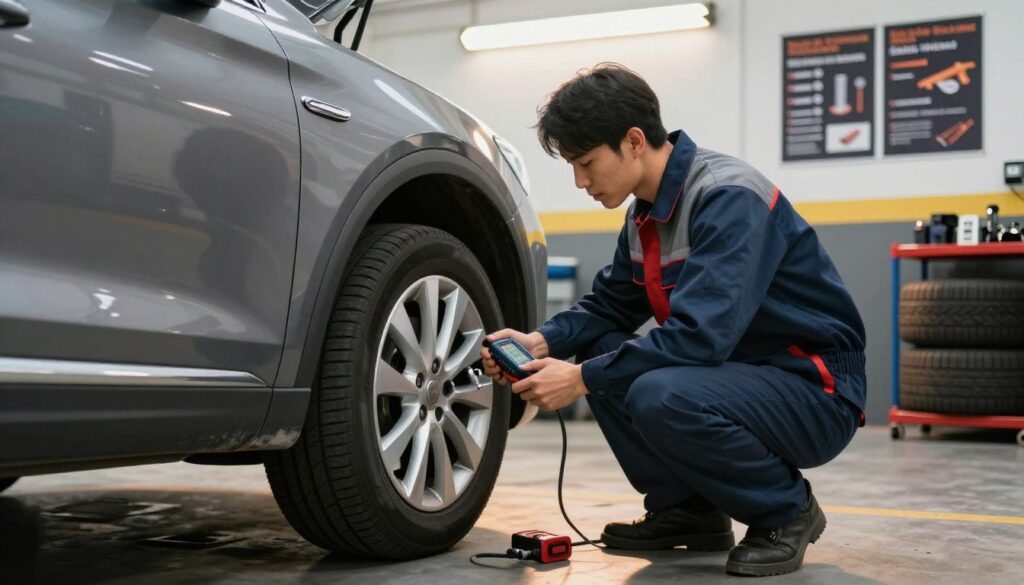
We think keeping your tires in good shape is key to a better drive. Just a quick check can stop the low tire pressure indicator from showing up. Regular checks mean your tires work their best, no matter where you’re driving.
Whether you’re on city streets or driving in different weather, the right tires matter. Check out top-rated all-season tires for the best performance.
How to Use a Tire Pressure Gauge
Using a manual gauge is easy and gives you the right numbers. First, take off the valve cap and press the gauge onto the valve stem. You’ll hear air escaping before the gauge shows the pressure.
- Unscrew the valve stem cap.
- Press the gauge head onto the valve stem.
- Read the measurement on the gauge scale.
- Replace the cap securely to prevent leaks.
Recommended Tire Pressure Levels
Every car needs a specific PSI, as set by the maker. You can find this on a sticker inside the driver’s side door jamb. It’s essential to follow these numbers, not the max on the tire.
“Proper tire inflation is the foundation of vehicle safety, fuel economy, and tire longevity.”
Remember, temperature changes your readings. Pressure goes up or down by 1 PSI for every 10° F change. This is why the low tire pressure indicator might turn on when it gets colder or warmer.
| Condition | Impact on PSI | Action Required |
|---|---|---|
| Temperature Drop | Decreases 1 PSI per 10° F | Add air to reach target |
| Temperature Rise | Increases 1 PSI per 10° F | Check for over-inflation |
| Monthly Check | Natural air loss | Maintain manufacturer PSI |
When to Check Your Tire Pressure
We suggest checking your tire pressure every 30 days. Regular checks catch leaks early, keeping you safe. Always check when the tires are “cold,” meaning the car has been parked for hours or driven a short distance.
Don’t forget your spare tire. Keeping it full is key for emergencies. By staying on top of it, you’ll avoid the low tire pressure indicator and make your tires last longer.
Adjusting Your Tire Pressure
Keeping your tires at the right pressure is key to your car’s best performance. Tires lose air over time due to heat and tiny leaks. A sudden puncture can drop pressure fast, needing quick action. Right pressure keeps your car running smoothly and saves fuel.
How to Inflate Tires Properly
Start by finding the recommended PSI in your car’s manual. It’s on the placard inside the driver’s door jamb, not the sidewall. This ensures your car drives as the makers designed it.
Attach the air compressor nozzle to the valve stem. Watch the gauge closely to avoid over-inflation. It can make your ride harsh and wear out your tires unevenly. Once at the right PSI, remove the nozzle and put back the valve cap to keep it clean.
“Maintaining proper tire pressure is not just about fuel economy; it is a critical component of your vehicle’s overall safety and handling performance on the road.”
Tips for Deflating Over-Inflated Tires
If you over-inflate your tires, you need to let out the extra air. Use a small tool like a screwdriver or tire pressure gauge to press the valve stem’s center pin. You’ll hear air escaping.
Use your gauge often to avoid letting out too much air. Stop when the pressure is right. Keeping your tires at the optimal pressure range eases strain on your suspension.
| Condition | Impact on Handling | Fuel Efficiency | Tire Longevity |
|---|---|---|---|
| Under-Inflated | Poor/Sluggish | Decreased | Low |
| Correct Pressure | Optimal/Stable | Maximum | High |
| Over-Inflated | Harsh/Bouncy | Reduced | Low |
Resetting the Tire Pressure Monitoring System (TPMS)
First, make sure your tires are at the right pressure. Then, you can do a tire pressure monitor reset. If your tires are not at the correct pressure, resetting can cause problems.
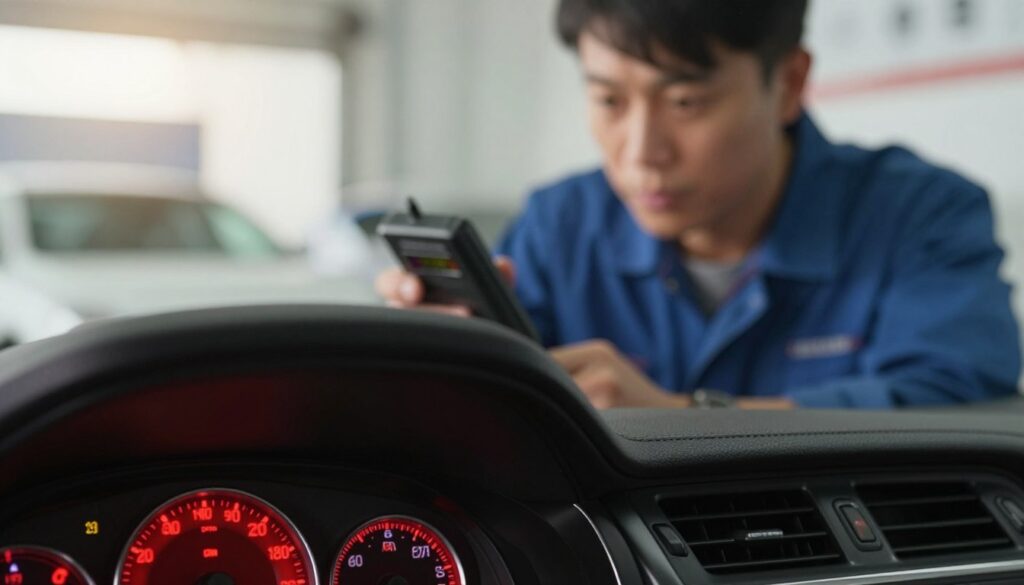
Step-by-Step Guide to Resetting TPMS
Most cars let you clear the warning light through the dashboard. Look for “Vehicle Settings” or “Tire Pressure” in the menu. Choose to calibrate or reset, then follow the instructions on the screen.
If your car has a physical button, it’s usually under the steering wheel or in the glove box. Turn the ignition to “On” but don’t start the engine. Press and hold the button until the light blinks three times. This means the reset tire pressure sensor is working.
Which Vehicles Require a Reset?
Not all cars need a manual reset. Some newer models have an automatic learning system that adjusts after driving a bit. But older cars or certain brands might need a manual Tire Pressure Reset.
| Vehicle Type | Reset Method | Requirement |
|---|---|---|
| Modern Sedans | Automatic | Drive for 10-20 minutes |
| Older SUVs | Manual Button | Hold button for 5 seconds |
| Luxury Trucks | Control Center | Menu calibration required |
| Economy Cars | Manual/Automatic | Check owner’s manual |
Always check your owner’s manual to see if your car needs a manual tire pressure monitor reset. Following the manufacturer’s instructions helps keep your car safe and running well.
Common Issues with TPMS
Many dashboard warnings are caused by technical problems, not low tire pressure. These systems use sensors in each wheel to check air pressure all the time. If pressure drops 25% below what the maker says, it alerts you. If resetting the sensor doesn’t work, a hardware issue might be the problem.
Faulty Sensors: Signs and Solutions
Sensors are delicate electronic components that face tough road conditions. They can get damaged or wear out over time. If your dashboard light flashes and then stays on, it might mean a sensor problem.
When you see these errors, it’s time to see a professional. A mechanic can find out which wheel is causing the trouble. Trying to reset tire pressure sensor without fixing the sensor won’t fix the problem.
Battery Issues in the TPMS
Most tire sensors run on small, non-replaceable lithium batteries. These batteries last about five to ten years. When they die, the sensor stops working.
Replacing a dead battery means replacing the whole sensor unit. A tire shop should do this job. They need to remove the tire to get to the sensor. After installing a new sensor, you’ll need to reset tire pressure sensor in your car’s system.
| Issue Type | Primary Symptom | Recommended Action |
|---|---|---|
| Dead Battery | Light stays on constantly | Replace sensor unit |
| Sensor Damage | Flashing warning light | Professional inspection |
| Signal Interference | Intermittent alerts | Check for electronic noise |
Maintenance Tips for Tire Health
Keeping your tires in top shape is more than just checking the air pressure. It’s important to watch your TPMS light too. But a full tire maintenance routine is key for lasting performance and safety. Stay ahead with a proactive approach to keep your vehicle safe on the road.
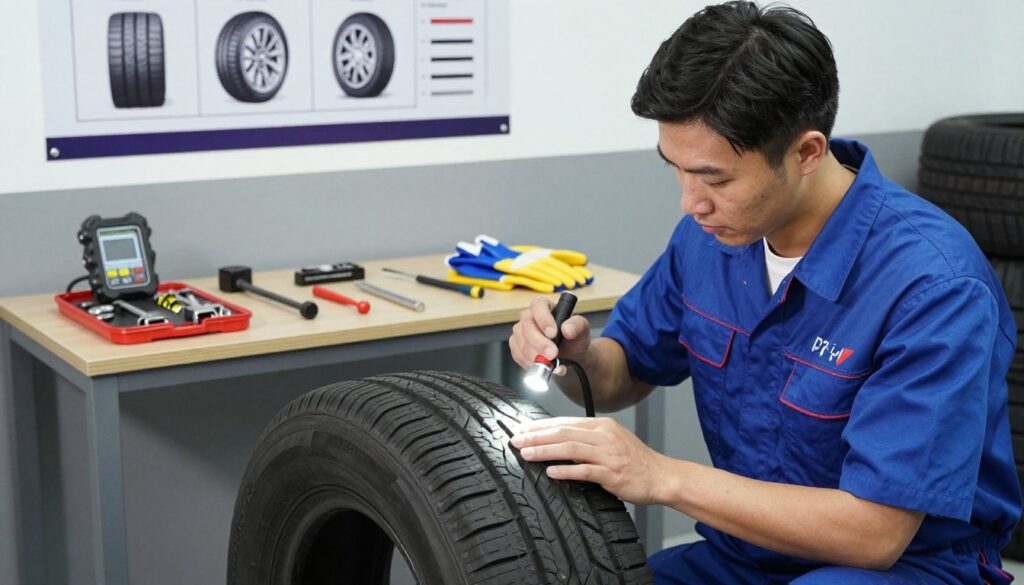
Importance of Regular Tire Inspections
Do a physical check of your tires every month. Look for uneven tread wear as an early sign of problems. If one side wears faster, it might mean your vehicle needs alignment or suspension work.
Also, check the sidewalls for cuts, bulges, or cracks. Finding these issues early stops sudden blowouts and keeps your tire health good. Even small objects like nails or stones can cause slow leaks that turn on your warning system.
How to Rotate Your Tires
Regular tire rotation ensures even tread wear. Front tires wear differently than rear ones because of steering and braking forces. Moving tires to different spots as recommended by the manufacturer keeps them balanced and lasts longer.
Experts say to rotate tires every 5,000 to 8,000 miles. This keeps your vehicle’s handling consistent, making it safer during turns and stops. Always follow your owner’s manual for the best rotation pattern.
| Maintenance Task | Recommended Frequency | Primary Benefit |
|---|---|---|
| Visual Inspection | Monthly | Detects damage early |
| Tire Rotation | Every 6,000 miles | Ensures even tread wear |
| Pressure Check | Bi-weekly | Optimizes fuel efficiency |
| Alignment Check | Annually | Prevents uneven wear |
Benefits of Proper Tire Pressure
Keeping your tires at the right pressure has many benefits. It helps your vehicle run better and last longer. By following the manufacturer’s advice, you can avoid the low tire pressure warning altogether.
Improved Fuel Efficiency
Under-inflated tires make your engine work harder. This means your car uses more gas to move. Keeping tires at the right pressure helps your engine run smoothly.
Checking tire pressure regularly can save you money. Properly inflated tires move smoothly, using less fuel. This simple step can help your car go further on a tank.
Enhanced Safety on the Road
Right tire pressure is key for safe driving. Under-inflated tires can make your car harder to control. They also make stopping longer, which is risky.
Knowing about TPMS is important for safety. It warns you of tire issues before they get worse. By acting fast on a low tire pressure warning, you keep your car stable and safe.
What to Do if the Light Stays On
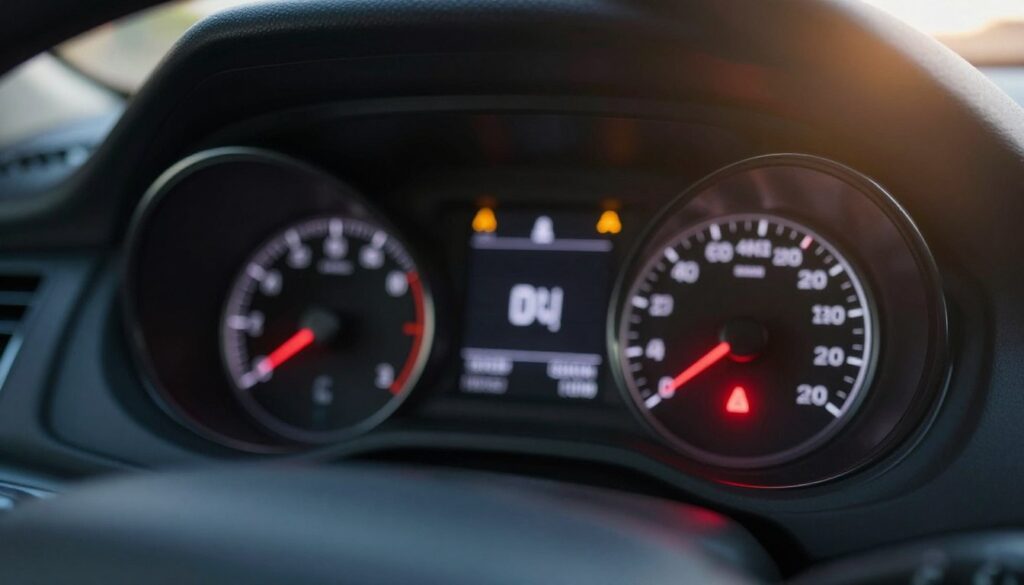
If your dashboard light won’t turn off, you might have a bigger problem. Most drivers can fix low tire pressure light by adding air. But sometimes, you need to dig deeper. Stay calm and check how the light is acting on your dashboard.
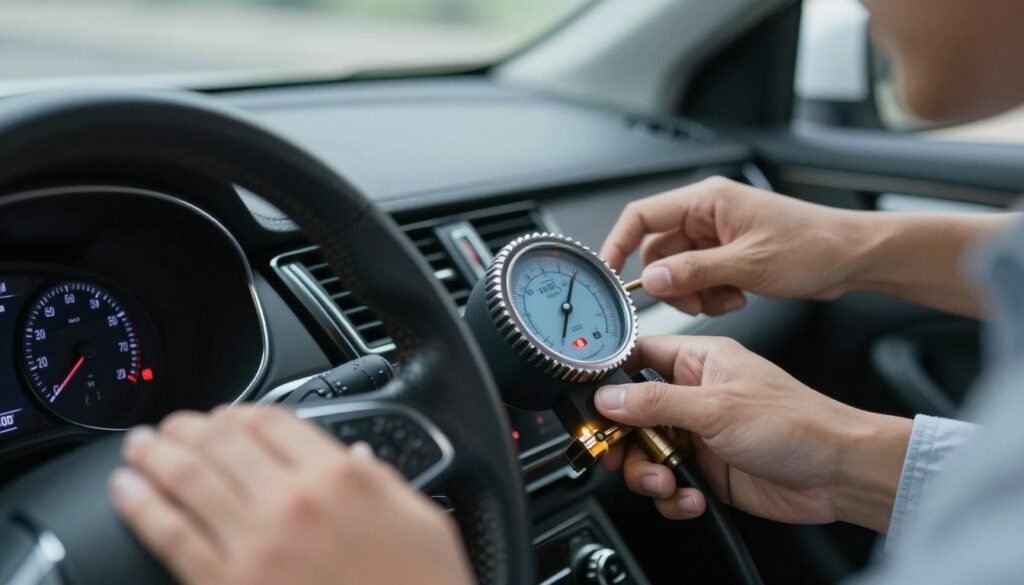
Troubleshooting Persistent Issues
Start by watching the light’s pattern. A steady light means low pressure. But a blinking light might show a system error. This could be a dead sensor battery or a faulty TPMS unit.
If you’ve already checked your tire pressure and reset the system, but the light is on, you need to dig deeper. Learn more about resetting your tire pressure light by visiting this guide on how to reset tire pressure light systems. If the light keeps flashing or stays on, the problem is likely with the electronics, not the tires.
When to Visit a Professional Mechanic
At times, you can’t fix it yourself. It’s best to see a professional mechanic. They have the tools to check each sensor. They can tell if a sensor is broken or needs to be reprogrammed.
Ignoring a warning light can cause big problems with your car’s safety. A pro will make sure your TPMS is working right. This gives you peace of mind while driving. Trusting a mechanic is the safest choice for your car’s health.
| Indicator State | Likely Cause | Recommended Action |
|---|---|---|
| Solid Light | Low Tire Pressure | Check and inflate tires |
| Flashing Light | Sensor/System Fault | Visit a professional mechanic |
| Light Stays On After Reset | Calibration Error | Consult owner’s manual or pro |
Understanding Manufacturer Recommendations
Every car has its own rules for keeping tires in top shape. The steps for a tire pressure monitor reset can differ a lot between cars.
Checking the Owner’s Manual
Your car’s owner’s manual is key for all upkeep tasks. Most cars warn you when tire pressure is 25% low.
Always check your manual before making any changes. Using the wrong PSI can mess up how your car handles and its gas mileage.
“The owner’s manual is not just a reference book; it is the blueprint for your vehicle’s safety and longevity.”
Manufacturer-Specific Procedures
Some cars need a special way to reset the tire pressure monitor. These steps help the computer know the new pressure and clear the warning light.
Common steps include:
- Driving at 50 MPH for at least 10 minutes.
- Going through specific menu settings on the dashboard.
- Using a special scan tool if the system doesn’t automatically update.
Following these steps correctly calibrates your system. It gives the car’s computer the right info to work well. Paying attention to these details makes resetting your tire pressure monitor easy and effective.
Conclusion: Keeping Your Tires in Top Shape
Learning to care for your vehicle makes every drive safer. We think that being proactive turns complex warnings into easy tasks.
Reviewing Essential Maintenance Habits
Checking your tire pressure regularly saves money and boosts fuel efficiency. Our guide gives you the tools to fix tire pressure light issues. Now, you can handle these alerts confidently.
Commitment to Long-Term Vehicle Health
Keeping your vehicle running well needs your commitment to regular checks. We suggest keeping a good gauge in your glove box for quick checks. Using these tips keeps your family safe on the road. If you see the same warning light, call a certified tech at Firestone or Goodyear.
FAQ
How do I perform a tire pressure monitor reset after inflating my tires?
To reset your tire pressure monitor, first make sure all tires, including the spare, are at the PSI listed on the driver’s side door jamb. Once they’re at the right level, you can reset the alerts through your car’s system or by pressing a TPMS button. Some cars, like Ford or Chevrolet, might need a short drive over 20 MPH to reset the warning.
Why did my dashboard tire pressure light turn on during a cold morning?
The low tire pressure light often comes on when it gets colder. Tire pressure drops by 1 PSI for every 10° F drop in temperature. This drop can turn on the light, even if there’s no puncture. It’s best to check your tires every 30 days to keep them at the right pressure.
What should I do if the low tire pressure warning is flashing?
A flashing low tire pressure light means there’s a problem. A steady light usually means the pressure is low. But a flashing light means there’s a system issue, like a dead sensor battery or a faulty TPMS module. You’ll need a professional to use tools like an Autel or Snap-on scanner to find and fix the problem.
Where can I find the correct PSI to fix low tire pressure light issues?
To fix low tire pressure light issues, always check your vehicle’s manufacturer specs. You can find this information on the driver’s side door pillar sticker or in your owner’s manual. Don’t use the “Max PSI” on the tire sidewall, as it’s the tire’s max capacity, not the right pressure for your car.
Can I ignore the low tire pressure indicator if the car feels like it is driving fine?
No, you should never ignore a low tire pressure warning. These systems are required by law because under-inflation can be dangerous. It makes stopping harder and handling sluggish. Plus, it wastes fuel and can damage your tires. Keeping the pressure right is key for safety and saving money.
Why won’t my vehicle allow me to reset tire pressure sensor alerts?
If you can’t reset the tire pressure sensor, it might be because the pressure is off by more than 25%. Most systems won’t let you reset until the pressure is safe. If the light stays on even when the pressure is correct, there might be a technical issue or a faulty sensor. You’ll need a professional to diagnose and fix it.

Hi! I’m Moheen Iftikhar, the person behind «CarCruisei». I’m deeply interested in the automotive world, from new car trends and advanced vehicle technology to useful driving advice. On this platform, I publish informative car reviews, expert insights, and practical tips to keep every car enthusiast informed and inspired.